I was kneeling in the dust of a crumbling courtyard near Syracuse last autumn, my knees aching against the uneven ground, when I realized most people treat these surfaces like mere decoration. They see a color, a pattern, or a “rustic” aesthetic, but they completely miss the dialogue between the earth and the fire. There is a profound arrogance in the way modern catalogs try to mass-produce the look of age without understanding the physics of the material. To truly respect the history of a building, you have to look past the surface sheen and understand the grit of terracotta tiles and their making, from the specific mineral composition of the local clay to the erratic, beautiful temperament of a wood-fired kiln.
I am not here to sell you on a lifestyle or a curated “look” from a glossy brochure. Instead, I want to pull back the curtain on the physicality of the process—the way a thumbprint in the wet clay dictates how the tile will weather a century of Mediterranean sun. I will show you how to distinguish between a piece that was born from tradition and one that is merely wearing a costume, focusing on the structural honesty that only comes from knowing how these elements were actually joined together.
Table of Contents
Tracing the Traditional Clay Tile Manufacturing Process
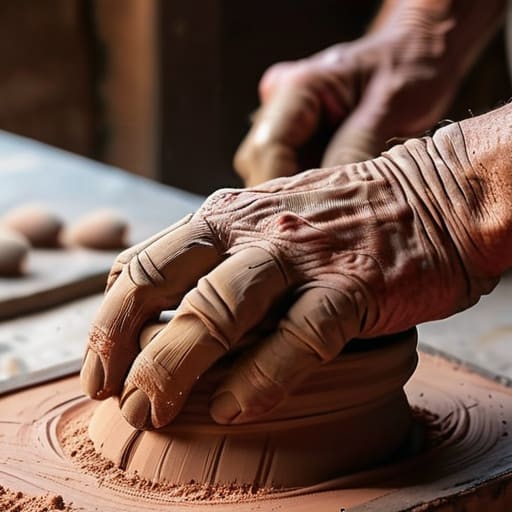
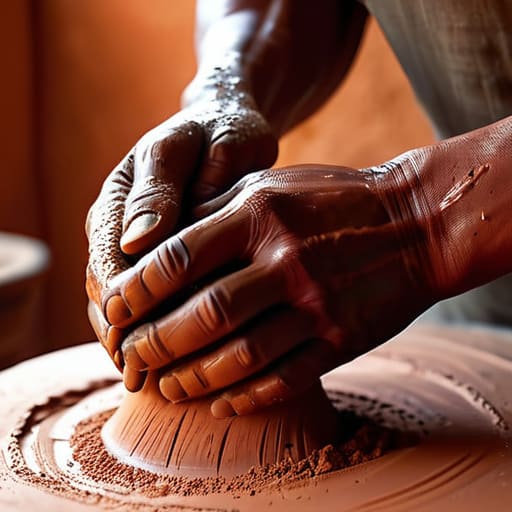
I remember standing in a small workshop near Imola, watching an old man work with earth that looked more like heavy dough than building material. To understand the traditional clay tile manufacturing process, you have to stop thinking about factories and start thinking about moisture. It begins with the extraction of raw, local earth—sediment that carries the very DNA of the landscape. This clay is tempered, aged, and then pressed. If you look closely at a hand-molded piece, you can still see the slight irregularities where the pressure of a palm or a wooden mold met the surface. These aren’t defects; they are the signatures of the maker.
Once the shapes are set, the real transformation begins in the heat. The kiln firing terracotta techniques used in these regional workshops are far from the clinical precision of modern industrial ovens. Instead, there is a slow, breathing cycle of heat that allows the minerals within the clay to fuse. This gradual transition is what dictates the natural clay tile properties, specifically that beautiful, variegated color palette that no chemical glaze can truly replicate. When the kiln is finally opened, you aren’t just looking at a finished product; you are looking at a piece of earth that has been permanently altered by fire.
Reading the Intent in Artisanal Ceramic Tile Production
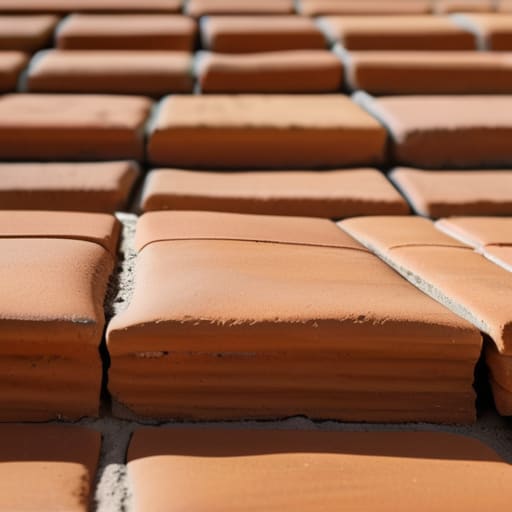
When I run my hand over an old floor or a weathered roof, I’m not looking for perfection; I’m looking for the evidence of a decision. In artisanal ceramic tile production, perfection is often a sign of a machine that has stripped away the soul of the material. I prefer the tiles that tell me about the humidity of the day they were pressed or the specific grit of the local earth. You can see it in the slight variations of color—those subtle shifts from ochre to a burnt sienna—which reveal the unpredictable dance of kiln firing terracotta techniques. These aren’t flaws; they are the thermal signatures of a fire that was managed by eye and intuition rather than a digital sensor.
If you look closely at the edges of a hand-molded piece, you can often find the ghost of a thumbprint or a slight irregularity in the rim. This is where the durability of clay tiles truly begins. It isn’t just about the chemical composition, but about how the maker understood the natural clay tile properties—the way the material breathes and settles. When a craftsman knows exactly how much tension a specific clay body can hold, they create something that doesn’t just sit on a structure, but becomes part of its very skeletal logic.
The Lasting Trace of the Kiln
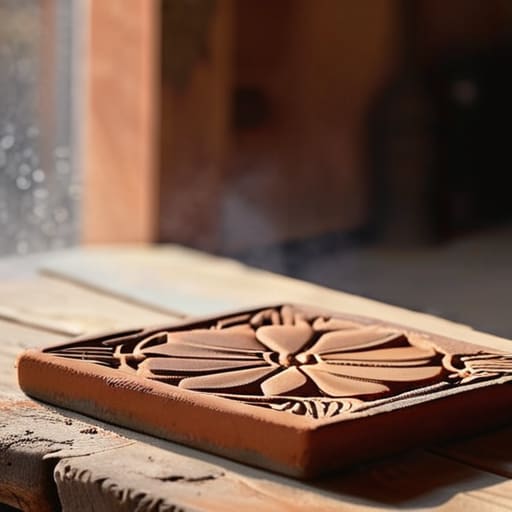
When we strip away the aesthetic veneer of a floor or a facade, we are left with the raw reality of the material. We have seen how the journey from a damp, local clay deposit to the intense heat of the kiln dictates everything—from the way a tile breathes to how it will eventually weather under the sun of a Sicilian courtyard. It is not merely a manufacturing sequence; it is a dialogue between the earth and the artisan. Whether it is the specific mineral impurities that create those lovely, unpredictable blooms of color or the way a hand-pressed edge catches the light, these elements prove that terracotta is never a static object. It is a living record of the technical decisions made in the workshop and the elemental forces of the firing process.
As I walk through the old palazzos of Ravenna, I often find myself kneeling on these very tiles, not to admire the pattern, but to study the slight irregularities that tell me exactly how they were laid centuries ago. We must stop viewing buildings as finished, polished products and start seeing them as ongoing conversations. The next time you step onto a terracotta surface, I urge you to look closer. Don’t just see a floor; see the intent of the maker and the soul of the clay. When we learn to read these small, tactile details, we begin to understand that the true history of a building is written in its very bones.