I was standing in a damp basement in Palermo last autumn, tracing the jagged line where a 17th-century limestone block met a modern concrete patch, when it hit me: we spend far too much time obsessing over digital blueprints and not nearly enough time looking at the people holding the trowels. Everyone wants to talk about high-tech logistics and automated scheduling, but they completely ignore the messy, human reality of construction workforce and organisation. You can see the exact moment a project loses its soul—or its structural integrity—not in a software glitch, but in the unspoken hierarchy of a site where the master mason is ignored by a foreman who has never actually touched stone.
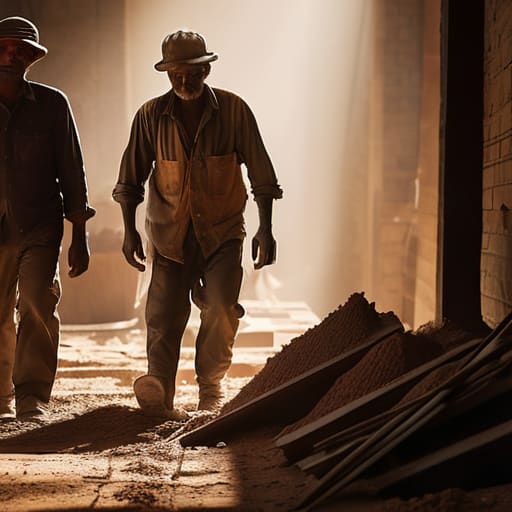
I am not here to sell you on some shiny, theoretical management suite that promises to turn a building site into a sterile laboratory. Instead, I want to talk about the rhythm of the crew and the quiet, essential logic of how labor actually moves on a site. I’m going to share what I’ve learned from twenty years of watching hands work, focusing on how real human coordination—not just spreadsheets—determines whether a building stands for centuries or crumbles in a decade.
Table of Contents
The Silent Rhythms of Historical Construction Labor Models
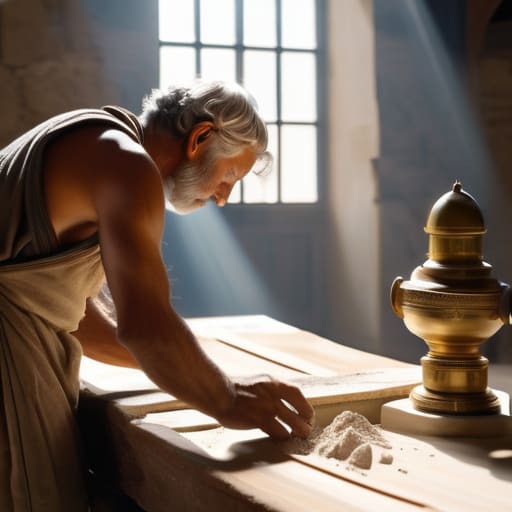
When I stand before a Renaissance facade in Florence, I don’t just see the geometry; I see the hierarchy of the hands that shaped it. These historical construction labor models weren’t just about moving stone from point A to point B; they were rigid, living ecosystems. You can trace the evolution of skilled trades by looking at the transition from the master mason, who held both the compass and the social authority, to the increasingly specialized laborers who followed. In the old guilds, the organizational structure wasn’t found in a manual, but in the very way a workshop was organized around a single master’s eye.
There is a specific tension in the stone where you can see the shift in these systems. In older, more communal builds, the rhythm of work feels unified, almost organic. But as we move toward more complex, large-scale projects, you begin to notice the fingerprints of early construction labor management systems. The marks change. The precision becomes more standardized, reflecting a shift from the intuitive hand of the craftsman to a more disciplined, almost industrial cadence. You see it in the way the mortar joints tighten or how the tool marks become more repetitive—it’s the physical evidence of a workforce being reorganized for efficiency rather than just artistry.
How Human Hands Dictate the Strength of the Stone
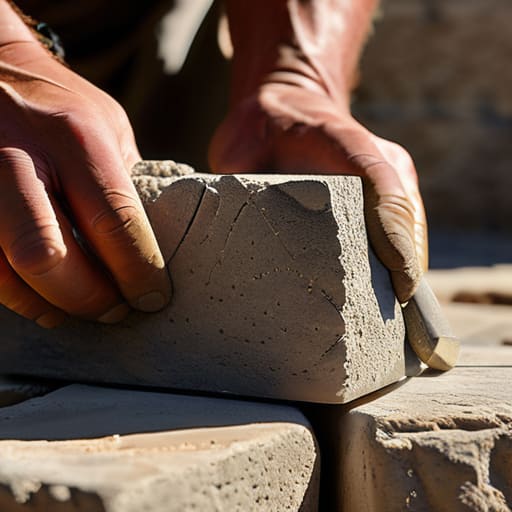
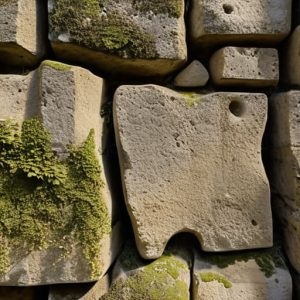
I was in a small courtyard in Syracuse last Tuesday, tracing the edge of a limestone block where the chisel marks were still sharp, almost defiant. It is easy to talk about structural integrity as a matter of physics, but when you look closely at the interface between stone and mortar, you are actually looking at the evolution of skilled trades. A stone doesn’t fail because the math was wrong; it fails because the person tasked with dressing it was rushed, or because the hierarchy of the site meant the apprentice was left to finish a critical joint without supervision.
In the old ways, the strength of a wall was directly tied to the autonomy of the master mason. Today, we try to solve these same problems through complex construction labor management systems, attempting to quantify what used to be an intuitive, tactile understanding of material. We use software to track output, but a computer cannot feel if a lime mortar is too dry or if a stone has a hidden fissure. The real tension lies in how the organisational structure of construction firms manages the gap between the high-level engineer’s intent and the physical reality of the person actually holding the trowel. When that connection breaks, the building begins to tell a story of neglect long before the first crack appears.
The Human Blueprint
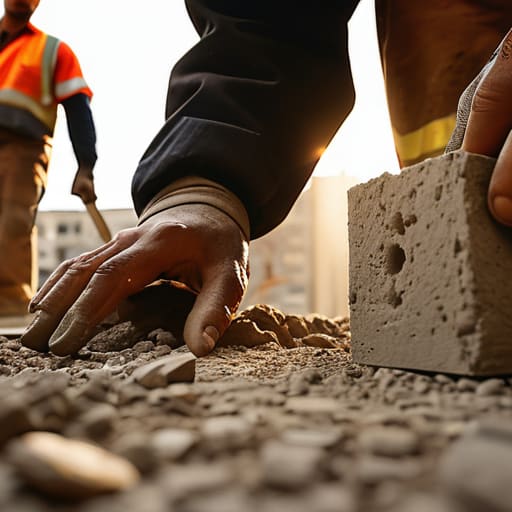
When we look back at these structures, we aren’t just seeing a collection of materials; we are seeing the culmination of a highly specific social choreography. From the rigid hierarchies of a Roman quarry to the fluid, often improvised crews of a regional vernacular workshop, the way people were organized determined whether a wall would stand for centuries or crumble in a decade. We have seen how the division of labor, the speed of the mortar setting, and the sheer physical stamina of the workforce are etched into every joint and every uneven course of stone. It is a reminder that organization is not an abstract management concept, but a physical force that dictates the very integrity of the masonry.
Ultimately, I hope you stop seeing buildings as static objects of beauty and start seeing them as living records of human effort. Next time you run your hand over a weathered limestone block or trace the line of a centuries-old arch, look for the evidence of the hand. Look for the places where a tired mason took a shortcut or where a master builder insisted on perfection despite the chaos of the site. If you learn to read these traces, you realize that the most important part of any construction project isn’t the blueprint itself, but the unseen collective will of the people who brought it into the light.