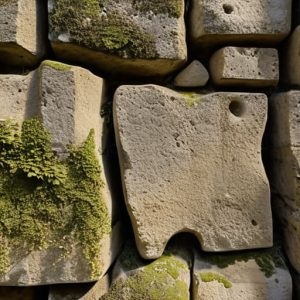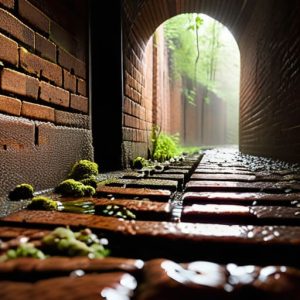
I was kneeling in a damp basement in Palermo last autumn, my flashlight cutting through a decade of silt, when I saw it: a lead junction from the 19th century, crudely soldered but still holding. Most people look at the modern skyline and see glass and steel, assuming the water supply in cities is some invisible, magical utility that just exists because we pay a monthly bill. They are wrong. They treat it like a black box, a sterile system of plastic pipes and digital sensors, completely ignoring the stratigraphy of survival—the layers of stone, terracotta, and iron that actually dictate how a metropolis breathes and drinks.
I have no interest in lecturing you on theoretical hydraulics or the latest high-cost municipal spreadsheets. Instead, I want to show you the physical reality of how we move life through stone. We are going to look past the polished facades to examine the actual junctions where the history of engineering meets the necessity of the present. I will guide you through the grit and the gravity, explaining how the hidden architecture of our liquid veins determines whether a city thrives or slowly withers from the inside out.
Table of Contents
The Ghostly Logic of Potable Water Distribution Networks

When I walk through the older quarters of a city, I don’t just see the cobblestones; I feel the phantom weight of the potable water distribution networks pulsing beneath my feet. There is a ghostly logic to how these systems were laid out, often following the same invisible contours that dictated the street patterns centuries ago. You can see it in the way a certain neighborhood sits slightly higher than its neighbor, or how a sudden, inexplicable bend in a modern pipe seems to respect the boundary of a long-demolished Roman wall. It is as if the city’s thirst has a memory, forcing modern engineers to dance around the stubborn, calcified remains of the past.
Managing this is never a clean, surgical affair. It is more like an ongoing negotiation with a labyrinth. Effective urban water infrastructure management requires more than just new sensors and high-density polyethylene; it requires an understanding of the original intent. I often find myself tracing the slope of a street, realizing that the entire hydraulic gradient was designed around a specific, ancient gravity-fed logic. When we attempt to modernize, we aren’t just installing valves; we are trying to graft new life onto an old, skeletal system that refuses to be forgotten.
Where Gravity Meets the Will of the Architect
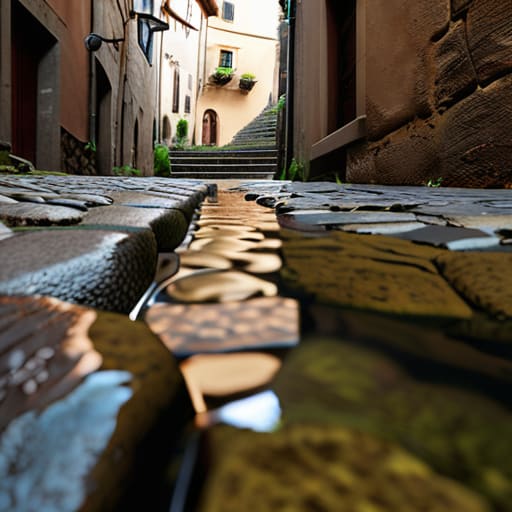
I spent most of yesterday afternoon in a narrow alleyway in Orvieto, tracing the slope of a stone staircase just to understand why the local cisterns were positioned where they were. You see, an architect doesn’t just draw lines on a page; they negotiate with the earth. When we talk about water pressure regulation in urban areas, we often think of modern valves and computerized sensors, but the logic is ancient. It is a constant, silent struggle to harness the weight of the liquid itself. In the older quarters, the city’s pulse is dictated by the subtle tilt of a street or the clever placement of a lead pipe tucked behind a Renaissance facade.
To master the flow, one must respect the descent. I’ve spent hours photographing the way old masonry was notched to accommodate rising pipes, realizing that gravity is the most honest architect we have. If the slope is too aggressive, you risk bursting the very joints meant to contain it; too shallow, and the water stagnates, turning a vital resource into a liability. This delicate balance is the heart of potable water distribution networks, a dance between the heavy pull of the terrain and the human desire to bring life to the highest balcony.
The Pulse Beneath the Pavement
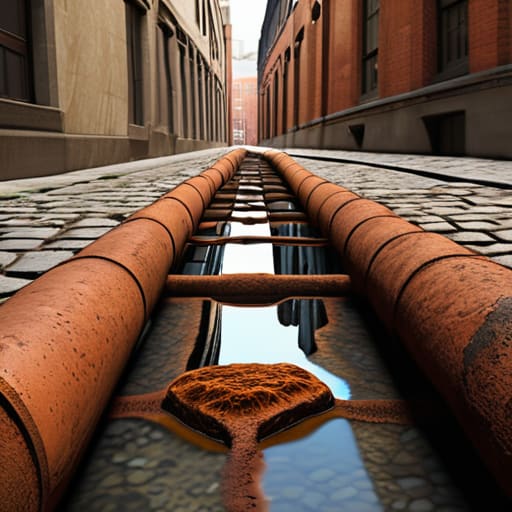
When we step back from the individual valves and the sloping gradients of the aqueducts, we see that a city’s water system is not merely a utility, but a structural autobiography. We have traced how gravity dictates the very layout of our streets and how the invisible pressure within these pipes mirrors the growth and density of the urban fabric itself. From the ancient Roman conduits that established our foundational logic to the modern, pressurized veins that sustain our skyscrapers, every junction and every weathered pipe tells a story of technological negotiation. To ignore these systems is to ignore the very circulatory system that allows the stone and mortar of our cities to live.
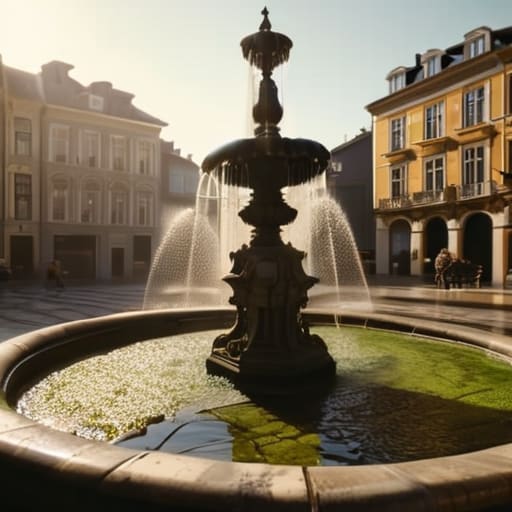
Next time you stand by a fountain or simply turn a tap, I urge you to look past the convenience of the flow. Try to sense the immense, silent effort required to pull that water through the dark, subterranean labyrinth beneath your feet. There is a profound, quiet beauty in the way we have harnessed the most basic element of life to build such complex monuments of human ambition. We are not just inhabitants of a city; we are the current beneficiaries of a continuous, hydraulic conversation between the earth and the architect. If you listen closely to the rhythm of the pipes, you can hear the unbroken heartbeat of the city itself.