I was surveying a sixteenth-century palazzo in Palermo last autumn when I found myself staring, not at the frescoed ceiling, but at a single, rusted iron strap hinge. Most people walk through these halls and see only the grand scale of the architecture, but I was focused on the way the metal had bit into the grain of the chestnut wood. There is a specific, rhythmic groan that a well-fitted door makes—a sound that tells you immediately if the hardware and hinges were installed by someone who understood the physics of weight, or by someone merely trying to finish a job. We spend so much time obsessing over the color of the paint or the pattern of the marble, yet we completely ignore the very components that allow a building to actually move.
In this series, I am not here to sell you on the latest designer trends or overpriced boutique catalogs. Instead, I want to pull back the curtain on what makes a fixture last for centuries rather than seasons. I will show you how to read the integrity of a joint and how to distinguish between ornamental junk and true functional art. We are going to look at the mechanical honesty of how things are fastened, because if the connection is weak, the entire design is a lie.
Table of Contents
Where the Metal Meets the Soul
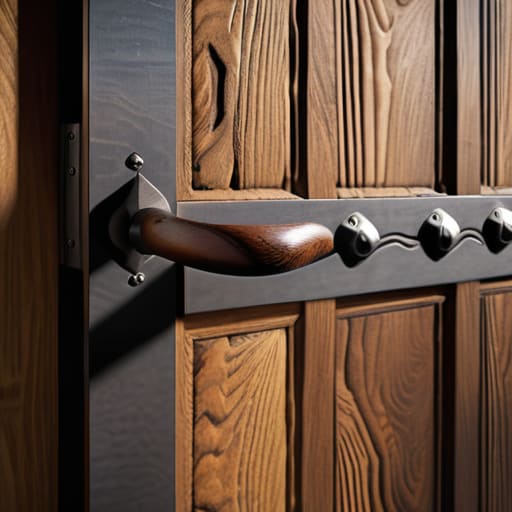
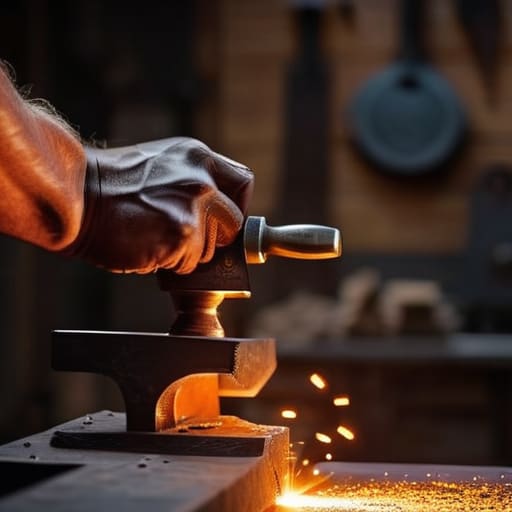
When I stand before a heavy timber door, my eyes rarely settle on the grain of the wood first. Instead, I look for the point of tension—the pivot. I find myself tracing the line where the metal meets the timber, searching for that specific moment of integration. You can see the tension of a century in the way a set of custom forged hinges has settled into their housings. If the smith understood the physics of the swing, the metal feels less like an attachment and more like a skeletal extension of the door itself. There is a profound difference between a component that is merely bolted on and one that is truly woven into the structural logic of the opening.
I often find that the most revealing stories are found in the smaller, more intimate scales. In the quiet corners of a palazzo, the subtle choice of cabinet hardware selection can signal whether a room was designed for ceremony or for the practicalities of daily life. A heavy, hand-hammered latch speaks of a different era than the precision of modern industrial hinge mechanisms. To me, these ornamental metalwork details are not mere decorations; they are the tactile vocabulary of the building. They tell you if the person who stood there three hundred years ago intended for this threshold to be a barrier or a bridge.
Reading the Scars of Use
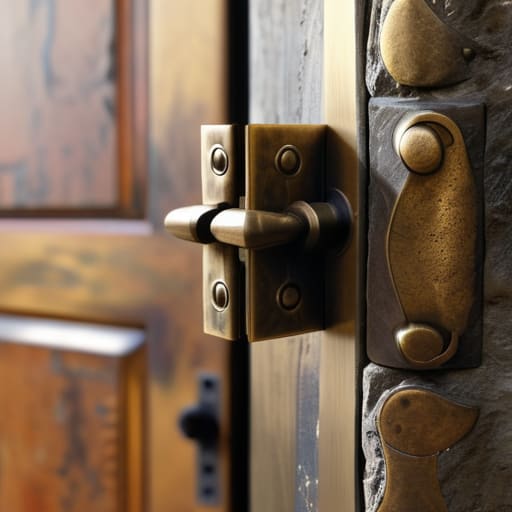
I often find myself tracing the worn edges of a door handle in a dim hallway, not out of habit, but out of necessity. There is a specific kind of geometry found in the way metal yields to human touch over decades. You see it in the slight thinning of a brass pull or the way a set of custom forged hinges has developed a microscopic groove in the stone jamb from a century of repetitive motion. These aren’t defects; they are the physical record of every hand that has passed through that threshold. To a restorer, these marks are more honest than any blueprint because they document the actual rhythm of life within the walls.
When I examine the patina on older architectural metal hardware, I am looking for the tension between the original intent and the reality of gravity. A hinge that has been shimmed or adjusted multiple times tells a story of a building settling, of wood swelling with the humidity of a Sicilian summer, or of a frame shifting under its own weight. I don’t just see a functional component; I see a mechanical response to time. If you look closely enough at the interface where the metal meets the timber, you can see exactly where the struggle between material and movement has been won or lost.
The Weight of the Decision
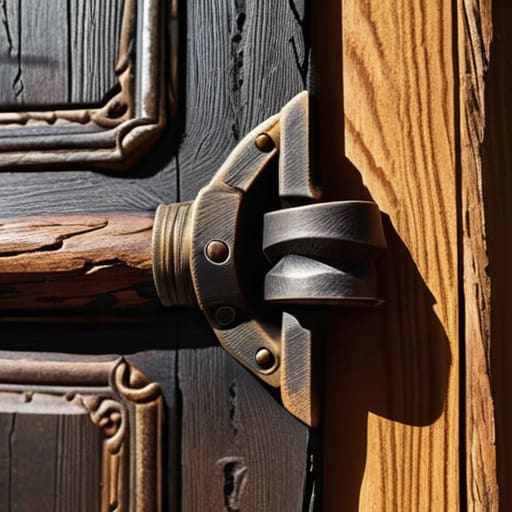
When we step back from the grand facades of a palazzo or the sweeping arches of a cathedral, we often miss the small, heavy truths sitting right at our fingertips. We have looked at how a hinge is not merely a mechanical necessity, but a declaration of intent—a choice between the ephemeral and the eternal. Whether it is the way a hand-forged iron strap bites into the grain of an ancient oak door, or the subtle, rhythmic wear patterns on a brass latch, these elements provide the connective tissue of a building. To understand a structure, one must look past the stone and the mortar to these small, metallic junctions where the maker’s hand meets the user’s touch.
I often find myself lingering in quiet doorways, my camera ready to capture a single, oxidized screw or a perfectly seated pin. It is easy to dismiss hardware as secondary, but I argue it is the very thing that grants a building its dignity. Next time you reach for a handle, do not just turn it; feel the resistance, the temperature of the metal, and the way it settles into its frame. You are not just opening a door; you are engaging with a dialogue across centuries. If we learn to respect these small details, we begin to see that a building is not just a shell, but a living assembly of deliberate choices.