I was standing in a dusty courtyard in Ravenna last autumn, tracing the uneven way a medieval mason had notched a limestone block, when I found myself thinking about the sheer noise surrounding modern high-tech architecture. People talk about Renzo Piano and technology as if it were some mystical, untouchable layer of digital wizardry, a sort of magic trick performed by computers to make buildings look sleek. It’s a frustrating myth. To the critics, it’s all about the “gadgetry,” but if you actually lean in close to the steel and the glass, you realize the technology isn’t a mask—it’s the very logic of how the pieces hold hands.
I’m not here to sell you on the glossy, high-concept jargon you’ll find in a glossy monograph. Instead, I want to look at the mechanical honesty of his work. We are going to strip away the hype and look at the actual joints, the tension cables, and the way his machines breathe. I promise to show you that his genius isn’t found in a software program, but in the deliberate, visible decisions made at the intersection of material and movement.
Table of Contents
Decoding the Logic of High Tech Architecture Principles
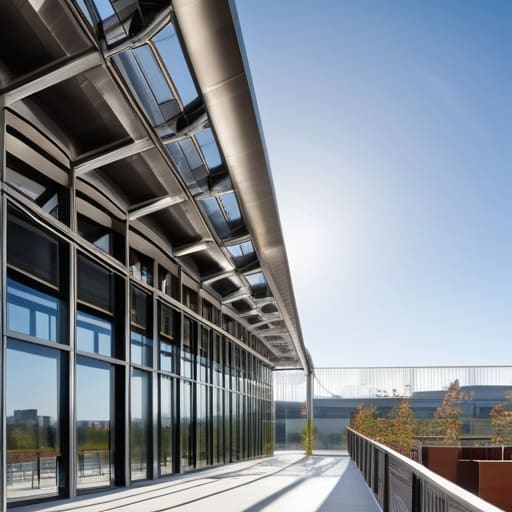
When I walk through one of Piano’s spaces, I don’t see “technology” as a finished product; I see it as a series of articulated decisions. To understand his approach, you have to move past the spectacle and look at the structural engineering in modern design as if it were a skeletal system. He doesn’t hide the mechanics behind a plaster skin. Instead, he treats a steel truss or a tension cable with the same reverence a mason might treat a perfectly seated voussoir in a Roman arch. It is a logic of transparency, where the way the load travels from the roof to the foundation is laid bare for anyone willing to look.
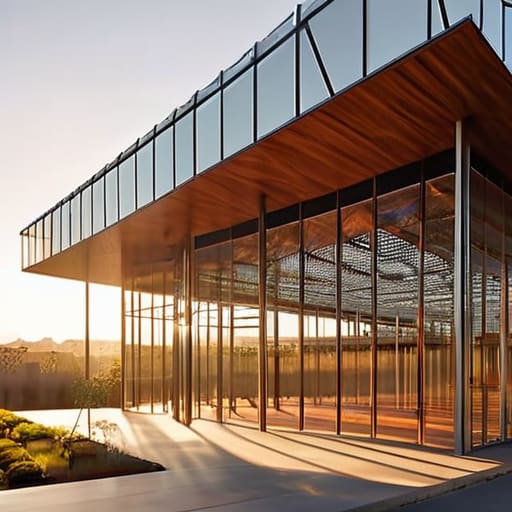
This clarity is most evident in his use of innovative building envelopes. He isn’t just wrapping a room in glass; he is designing a breathing membrane. I often find myself tracing the way his louvers and shading devices are anchored to the frame. These aren’t mere accessories; they are precise instruments of architectural light manipulation that dictate how the interior breathes and reacts to the sun. In his work, the “high-tech” element isn’t a layer of gadgets added for prestige—it is the very way the components are joined, ensuring that the function of the building is inseparable from its physical form.
Where Structural Engineering in Modern Design Meets Human Intent
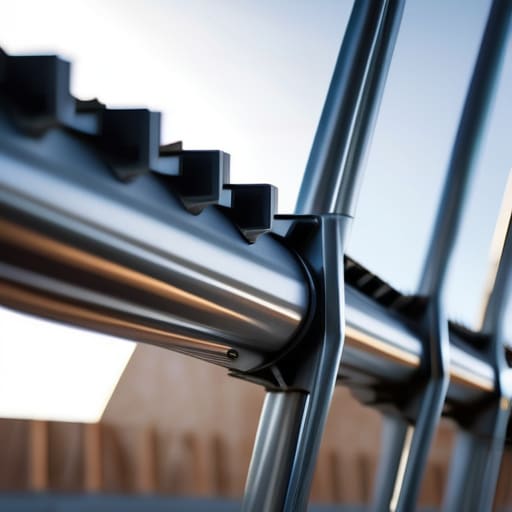
When I look at a Piano project, I don’t see a collection of machines; I see a series of very deliberate, very human choices. It is easy to get lost in the sheer complexity of the steel, but if you step closer, you realize that structural engineering in modern design isn’t just about resisting gravity—it’s about how the architect decides to express that resistance. In his work, the skeleton isn’t hidden behind a curtain of drywall or plaster. Instead, every bolt and every tension rod is an honest confession of how the building stays upright. There is a profound integrity in that honesty; it reminds me of the way a medieval mason would leave a tool mark on a cornerstone, a signature of the labor that made the structure possible.
This connection between the math and the maker is most evident in his innovative building envelopes. He doesn’t just wrap a building in a skin; he creates a breathing, reactive layer. You can see the intention in the way the louvers move or how the glass is articulated to catch the sun. It isn’t just “high-tech” for the sake of a spectacle; it is a way of negotiating with the environment. When you observe those fine Renzo Piano building details, you realize the technology is serving a purpose far more intimate than mere efficiency—it is serving the way a person actually experiences the light and the air within the space.
The Soul in the Machine
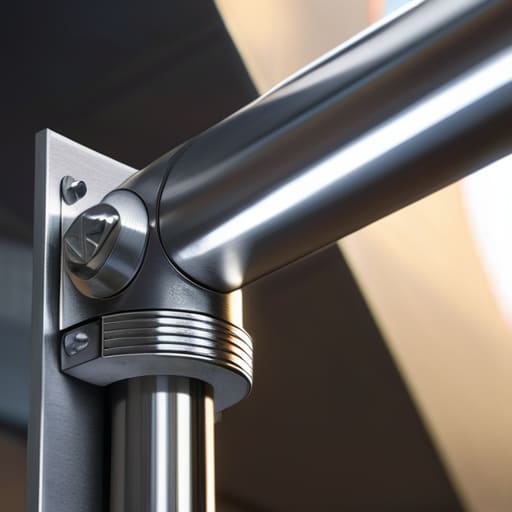
When we look back at what we have dissected, it becomes clear that for Piano, technology is never an ornament added to a facade to suggest progress. It is the very marrow of the structure. We have seen how his work moves beyond mere “high-tech” aesthetics to focus on the precision of the connection—the way a steel tension rod meets a glass pane or how a mechanical joint is articulated to allow a building to breathe. It is not about the complexity of the gadgetry, but about the honesty of the assembly. He treats a steel bolt with the same reverence a master mason might treat a perfectly seated voussoir, ensuring that the logic of the engineering is never hidden, but always celebrated.
Ultimately, studying Piano teaches us that even in our most advanced digital age, the fundamental truth of architecture remains unchanged: a building is a series of intentional decisions. Whether it is a Roman arch or a complex modular steel frame, the story is told in the interfaces between materials. I find myself looking at his joints and realizing that true innovation doesn’t distance us from the craft; it pushes the craft to its absolute limit. We must stop looking at buildings as finished, static objects and start seeing them as living systems of logic, where every screw and every seam is a testament to the human hand attempting to master the laws of physics.