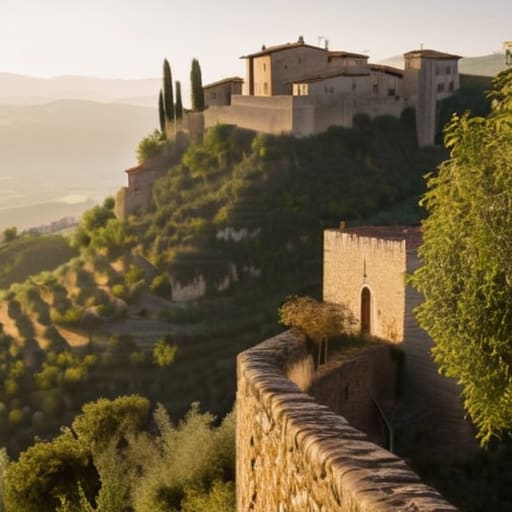
I was kneeling in the dust of a narrow alleyway in Spello last October, my magnifying loupe pressed against a crumbling limestone plinth, when I realized most people were walking right past the actual story. They were too busy snapping filtered photos of the sunset over the valley to notice the irregularity of the ashlar masonry or how the medieval foundation was repurposed from much older Roman footings. Everyone talks about the “charm” of umbrian hill towns as if it were some ethereal, magical mist, but charm is a lazy word. What they call charm is actually the physical evidence of centuries of structural problem-solving, from the way a street curves to accommodate a steep gradient to the specific way a mason notched a stone to prevent a slide.
I am not here to give you a curated list of the most “Instagrammable” viewpoints or the most expensive trattorias. Instead, I want to show you how to read the architecture of these places so you can see the logic behind the beauty. We are going to look past the postcards and focus on the joints, the local stone, and the structural decisions that have kept these settlements perched on their ridges for a millennium.
Table of Contents
Reading the Mortar of Medieval Architecture in Umbria
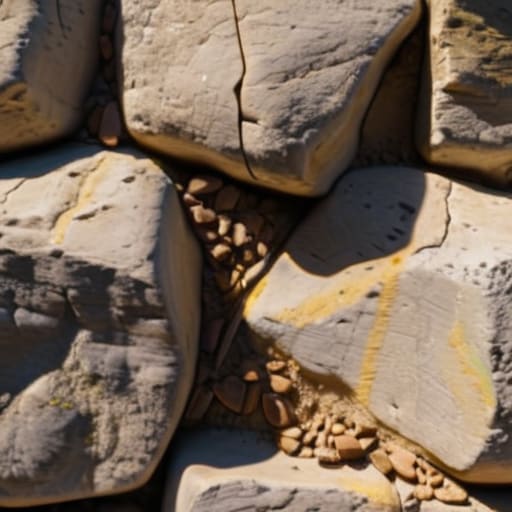
When you stand before the heavy curtain walls of the historical fortifications in Umbria, most people look up at the battlements. I find myself looking down, at the gaps between the stones. The mortar is where the medieval mason’s intent becomes visible. In these high-altitude settlements, you aren’t just seeing a binding agent; you are seeing a recipe of local survival. I’ve spent hours tracing the lime-to-sand ratios in the joints of various citadels, noting how the grit changes from the valley floors to the more rugged limestone ridges.
In many of these structures, the mortar wasn’t meant to be a clean, aesthetic line, but a sacrificial layer. It was designed to be slightly softer than the stone itself, allowing the building to breathe and shift with the tectonic weight of the Apennines. If you join two walking tours of Italian hill towns together, you’ll notice a pattern: the older, more defensive layers use a coarser, more irregular mix, often incorporating crushed terracotta to provide a hint of hydraulic property. It is a gritty, honest material. When the mortar begins to crumble—as it inevitably does—it doesn’t just signify decay; it reveals the exact composition of the earth that built the town.
Where Stone Meets Sky Umbrian Landscape Views
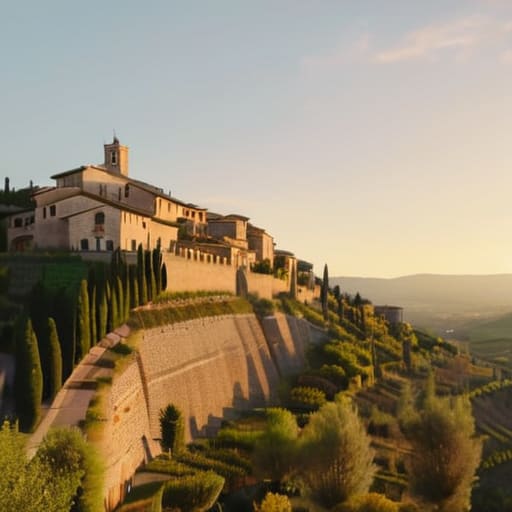
It is easy to get lost in the micro-details of a single ashlar or a lime-wash finish, but one cannot ignore how these structures negotiate their relationship with the horizon. When I stand on the ramparts of a village like Spello or Bevagna, I am struck by how the historical fortifications in Umbria aren’t just defensive barriers; they are the architectural anchors that tether the human settlement to the ridge. The stone doesn’t just sit on the earth; it seems to erupt from it, utilizing the same local calcarenite that defines the surrounding slopes.
To truly understand this dialogue between masonry and topography, I find that the best time to visit central Italy is during the late afternoon, when the sun begins to rake across the valleys. At this angle, the shadows emphasize the volumetric weight of the towers against the soft, rolling contours of the hills. You begin to see that the layout of these settlements wasn’t accidental. Every bastion and every narrow, winding alleyway was a calculated response to the terrain, designed to command the Umbrian landscape views while simultaneously shielding the inhabitants from the elements. It is a masterclass in strategic, organic integration.
Beyond the Postcard View
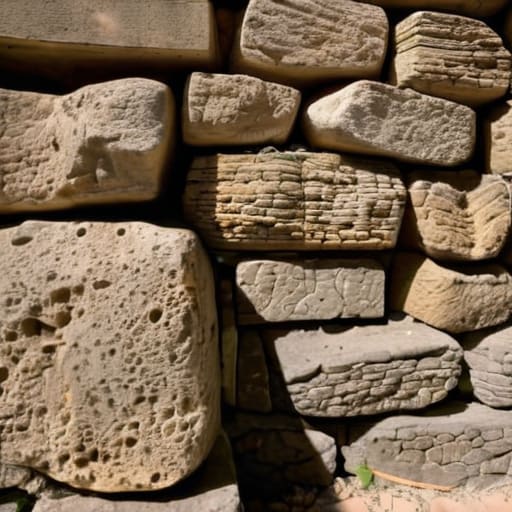
To truly understand these hill towns, you have to stop looking at them as mere silhouettes against the sunset and start looking at the physicality of their survival. We have looked at the way the mortar holds the weight of centuries, the way the limestone was quarried and shaped by hands that left distinct, rhythmic marks on the stone, and how the very layout of the streets responds to the rugged topography. It is not just a collection of pretty facades; it is a complex, structural dialogue between human intention and geological reality. When you recognize the difference between a Roman foundation and a medieval repair, the town stops being a backdrop and starts becoming a living document.
Next time you find yourself wandering through an Umbrian alleyway, I urge you to do more than just take a photo of the view. Put your hand against the wall. Feel the texture of the grain and the unevenness of the joints. Look for the small, quiet errors—the slightly misplaced stone or the patched-up crack—because those are the places where the real history breathes. A building is never truly finished; it is a continuous, slow-motion conversation between the earth and the mason. If you learn to read those details, the stones will start talking to you.