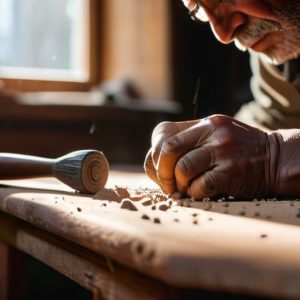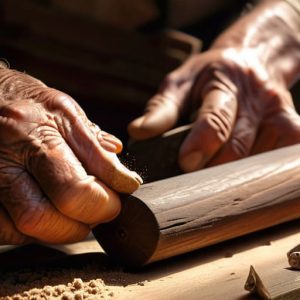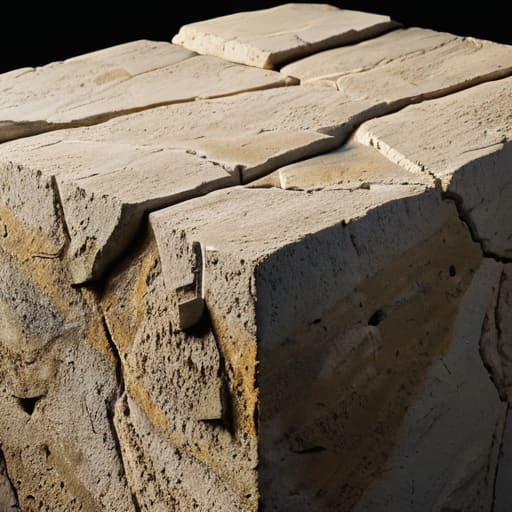
I was standing in a crumbling courtyard near Syracuse last autumn, my knees aching from the humidity, when I saw a contractor pointing at a beautiful piece of travertine and calling it “imperfect.” He wanted to grind it down, to smooth it into something sterile and characterless just because it didn’t look like a factory slab. It frustrated me more than the heat; people have become so disconnected from the actual language of masonry. They treat stone cutting and dressing as a way to achieve a flat, uniform surface, when in reality, it is a rhythmic dialogue between the tool and the grain. When you lose the marks of the chisel, you lose the soul of the building.
I am not here to teach you how to make stone look like plastic. Instead, I want to show you how to read it. I will share what I have learned from twenty years of surveying broken facades and intact monuments: how to recognize the difference between a mistake and a deliberate texture, and how to respect the material’s natural resistance. We are going to look past the polished veneer and focus on the honest mechanics of the craft.
Table of Contents
Reading the Intent in Every Chisel Mark
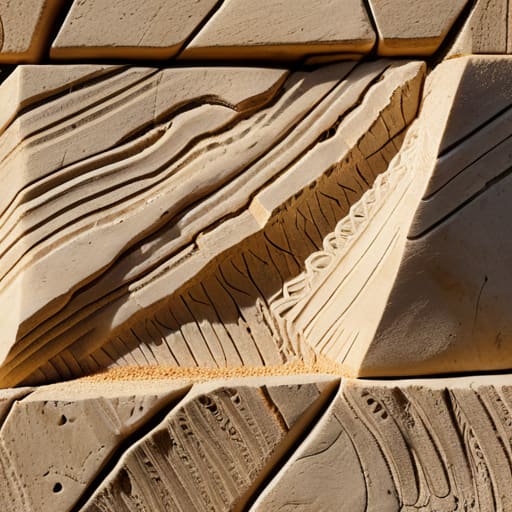
When I am kneeling in the dust of a site in Sicily, I am rarely looking at the finished facade. I am looking at the rhythm of the surface. If you lean in close to a block of limestone, you can see exactly where the mason’s energy faltered or where he found his stride. You see the shallow, rhythmic strikes of a point chisel, followed by the broader, more confident sweeps of a claw tool. These aren’t just accidental scratches; they are the traces of hand tools for stone masonry being used to negotiate with the material’s natural grain. A heavy, irregular strike tells me a worker was fighting a flaw in the stone, while a perfectly even sequence of marks suggests a master who knew exactly how much force the mineral could take before it splintered.
I find myself constantly comparing these ancient, tactile signatures to the sterile precision of the modern industrial stone fabrication process. Today, a machine can produce a surface so flat it feels almost dishonest, stripped of the human struggle. But when you look at a hand-dressed block, you see the decision-making process in real-time. You see where they chose to refine the texture and where they left the rougher, more rugged edges to catch the light. It is in these subtle variations—the deliberate refusal to make everything perfect—that the true character of the building is born.
The Quiet Dialogue of Masonry Stone Shaping Techniques
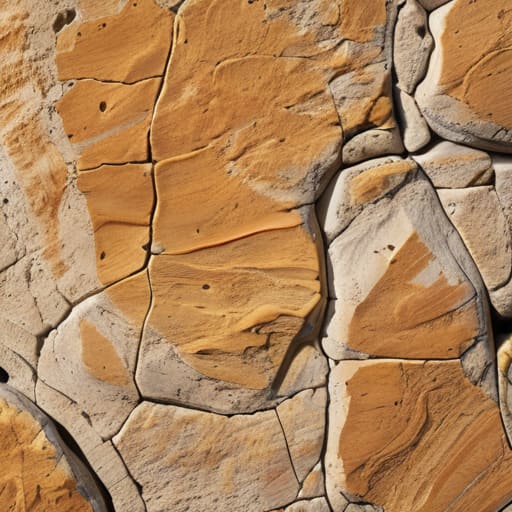
When I am standing in a courtyard in Sicily or a quiet street in Ravenna, I find myself tracing the grain of a block, trying to discern whether it was shaped by a man’s rhythm or a machine’s cold precision. There is a profound difference in the soul of the stone depending on the masonry stone shaping techniques employed. When you look closely at a hand-tooled surface, you aren’t just seeing a flat plane; you are seeing the physical exhaustion of the worker, the specific angle of the mallet, and the way the grain resisted the blade. These hand tools for stone masonry leave a signature—a staccato rhythm of strikes that no factory can replicate.
In contrast, the modern, industrial stone fabrication process seeks to erase the struggle entirely. It aims for a mathematical perfection that often feels strangely silent. While we certainly need the efficiency of modern granite cutting equipment for large-scale restoration projects, there is a risk of losing the tactile history of the material. When we rely solely on automated methods, we trade the unique, localized character of a building for a sterile, universal smoothness. I often find myself searching for those small, stubborn imperfections that remind me a human hand once guided the edge of the tool.
The Weight of the Hand
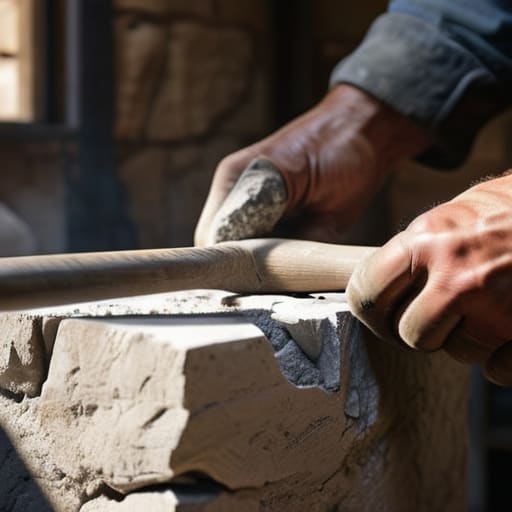
When we look back at these techniques, it is easy to get lost in the technicalities of the grain or the geometry of the cut. But we must remember that stone cutting is never just a mechanical process; it is a series of compromises and triumphs. Whether it is the heavy, rhythmic strike of a point tool or the delicate, sweeping finish of a claw chisel, every mark represents a moment where a human being had to negotiate with the material. We have seen how the choice of tool dictates the texture, and how the dressing of a surface determines how the light will eventually dance across a facade. To understand the stone is to understand the deliberate sequence of decisions that allowed a raw block to become a structural reality.
Next time you find yourself walking through a courtyard in Ravenna or tracing the weathered lintels of a Sicilian palazzo, I ask you to slow down. Don’t just look at the shape of the arch or the color of the limestone. Instead, lean in closer. Look for the scars, the slight irregularities, and the ghosts of the tools that shaped them. When you do, you aren’t just looking at a wall anymore; you are witnessing a conversation that has been frozen in time. A building is never truly finished—it is simply a silent witness to the hands that once held the hammer.