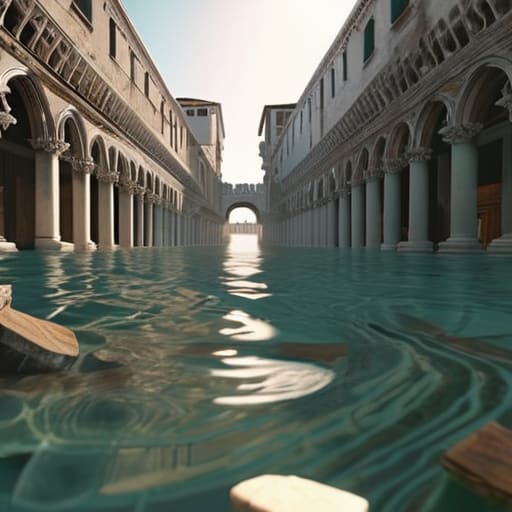
I remember standing on a half-submerged scaffolding near Cannaregio three years ago, the salt spray stinging my eyes and the smell of decaying organic matter thick enough to taste. Everyone around me was talking about the “miracle” of Venice, treating the city like some divine, impossible floating dream. But as I knelt there, running my fingers over a damp, salt-crusted foundation, I didn’t see a miracle; I saw a calculated struggle. People tend to romanticize venetian lagoon construction as if it were magic, ignoring the sheer, gritty reality of thousands of larch piles driven into the muck by men who knew exactly how much the silt could be trusted.
I have no interest in the postcard version of this city. In this series, I am going to strip away the myth and show you the actual mechanics of how these structures survive the tide. We are going to look past the marble facades and focus on the unseen logic of the sub-structures—the timber, the brickwork, and the specific ways these materials fight the brine. I promise you no architectural fluff, just a technical, honest look at the decisions made by builders who had to win a war against the water every single day.
Table of Contents
Deciphering the Ancient Maritime Building Methods
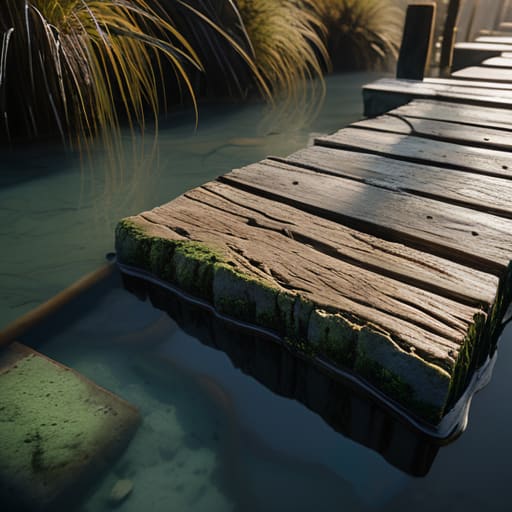
When I am kneeling on a damp quay, looking for the seam where stone meets water, I am rarely looking at the marble itself. I am looking for the ghosts of the marshland foundation techniques that keep the weight of a palazzo from simply vanishing into the silt. To understand how these structures endure, you have to look past the facade and consider the sheer audacity of the submerged wooden piles driven into the lagoon floor. These aren’t just sticks in the mud; they are a dense, rhythmic forest of larch and oak, hammered so tightly together that they create a singular, artificial stratum.
What fascinates me most is the chemistry of the decay—or rather, the lack of it. Because these piles are completely deprived of oxygen, they don’t rot in the traditional sense; instead, they undergo a slow, mineralized transformation. The wood becomes almost stone-like, a petrified skeleton that supports the heavy Istrian stone above. It is a delicate dance of ancient maritime building methods where the stability of the entire city relies on a silent, anaerobic world beneath the waterline. Every time I see a slight tilt in a doorway or a hairline crack in a foundation block, I find myself wondering if the sedimentation and lagoon stability have shifted just enough to challenge the decisions made by those medieval carpenters.
The Unyielding Strength of Larch and Oak Roots
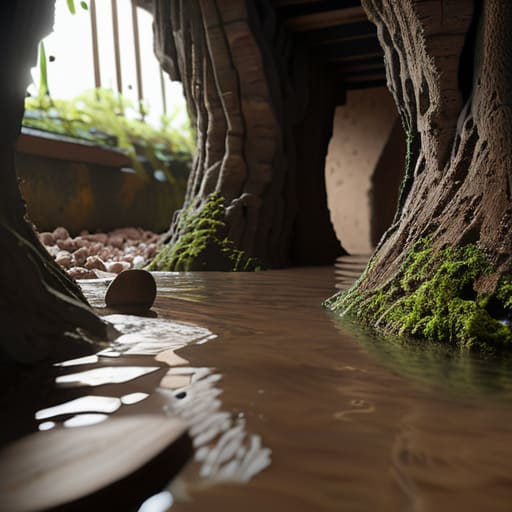
I spent most of last Tuesday in a damp basement near Cannaregio, peering through a gap in a decaying foundation wall, and it reminded me why these structures still stand. We often talk about the “miracle” of Venice, but there is nothing miraculous about it—only incredibly disciplined marshland foundation techniques. The builders didn’t fight the mud; they leveraged it. By driving thousands of submerged wooden piles deep into the Caranto—that stiff, greyish clay layer—they created a subterranean forest that serves as the city’s true skeleton.
What fascinates me most is the specific choice of timber. They weren’t just grabbing whatever floated by. They used larch for its resilience and oak for its sheer density, driving these poles so tightly together that they formed a cohesive, artificial strata. Because these piles remain entirely anaerobic, trapped in the silt without access to oxygen, the wood doesn’t rot in the way we expect. Instead, it undergoes a slow, mineralized transformation. It becomes something akin to stone. When I trace the grain of a fragment found during a recent restoration, I don’t just see wood; I see the deliberate, heavy labor of people who understood that their survival depended entirely on the chemistry of the lagoon floor.
The Weight of the Water and the Will of the Builder
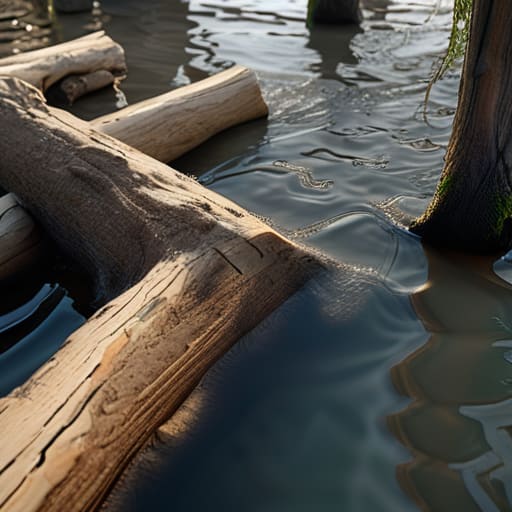
When we step back from the marble facades and the gilded mosaics, we are left with the reality of what is actually holding this city up: a dense, dark forest of timber driven into the silt, bound by the sheer necessity of survival. We have traced the journey from the initial driving of those larch piles to the careful layering of Istrian stone that resists the salt. It is a delicate, almost desperate equilibrium between the heavy stone and the soft mud. To understand Venice, you cannot simply look at the skyline; you have to understand the structural dialogue between the organic decay of the wood and the relentless pressure of the tides.
I often find myself standing on the edge of a canal, looking down at the waterline, and I am struck by the realization that we are walking on a masterpiece of calculated risk. Every joint and every submerged beam represents a decision made by a craftsman who knew they were building against the inevitable. As a conservator, I don’t just see a city; I see a continuous, centuries-old struggle to defy the lagoon. Next time you visit, don’t just admire the beauty of the palaces. Look for the marks of the tools, find the seam where the stone meets the water, and remember that the true soul of the architecture lies in the parts you can never quite see.