I was kneeling in the dust of a site near Capua last July, my knees aching against the grit, when I saw it: a sixteenth-century brick pier sitting directly atop a massive, weathered block of Roman tufa. Most guidebooks will try to sell you a grand, sweeping narrative about the seamless cultural evolution of campania and roman continuity, speaking of “architectural legacies” as if they were ethereal spirits floating through the air. But that’s nonsense. History isn’t a ghost; it’s a physical weight. It is the heavy, stubborn reality of a medieval mason realizing he couldn’t move the massive foundation laid a thousand years before him, so he simply built around it.
I’m not here to give you a lecture on abstract historical cycles or romanticized myths. Instead, I want to show you how to actually read these layers by looking at the scars left in the stone. We are going to look past the polished facades and focus on the grit—the way the mortar changes composition, the specific way a joint is cut, and the practical, often messy decisions that define campania and roman continuity. I promise to show you the real mechanics of how the past refuses to be erased.
Table of Contents
Tracing the Oscan Culture Transition to Rome
Tracing the Oscan culture transition to Rome
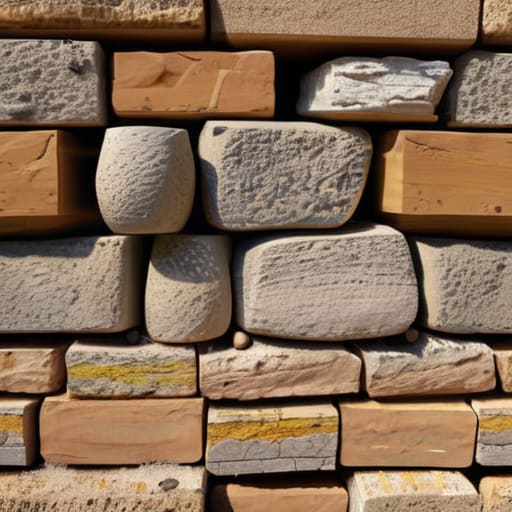
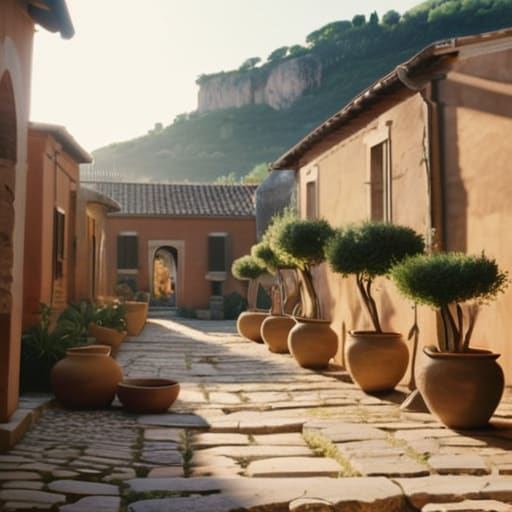
When I walk through the older quarters of towns like Capua or even the outskirts of Pompeii, I don’t see a sudden, clean break between the old ways and the new. Instead, I see a struggle in the masonry. The Oscan culture transition to Rome isn’t something you find in a textbook; it’s etched into the very way walls meet the ground. Before the legions arrived, the local Italic settlements followed much more organic, almost rhythmic Italic settlement patterns, where the topography dictated the street, not a rigid grid. You can see it in the irregular coursing of early limestone blocks—they feel heavy, grounded, and deeply tied to the local hillsides.
Then, the Roman influence begins to press in. It’s not a replacement, but a layering. I often find myself photographing where a standard Roman opus reticulatum has been forced to wrap around an older, more stubborn Oscan foundation. This architectural evolution in Campania shows a fascinating tension; the Romans brought their obsession with order and straight lines, yet they were constantly negotiating with the existing bones of the land. It’s in these awkward, forced joints—where a precise Roman corner meets a rugged, pre-Roman wall—that you truly see the friction of history.
Reading the Architectural Evolution in Campania
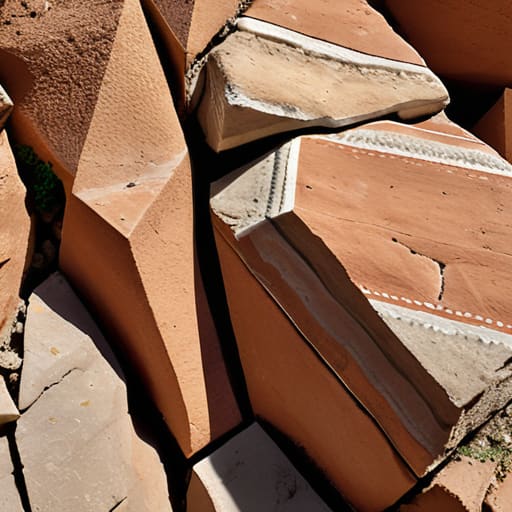
When I walk through the sites near Capua or the fringes of Pompeii, I don’t look for the grand facades first; I look at the floor levels. You can see the architectural evolution in Campania written in the very dirt and rubble. It’s rarely a clean break. Instead, you find these awkward, stubborn moments where a Roman opus reticulatum is forced to abut a jagged, irregular wall of local limestone. It’s a physical negotiation. You see the transition not as a textbook chapter, but as a builder standing in the mud, deciding whether to tear down an old Oscan hearth or simply build the new Roman floor directly over it, trapping the old way of life beneath a layer of new, standardized lime.
This is where the archaeological evidence of Roman expansion becomes tactile. It’s in the way the street alignments suddenly snap into a rigid grid, cutting through the organic, winding paths of the older Italic settlements. To the untrained eye, it looks like chaos, but to me, it’s a map of intention. You can see the exact moment a community stopped building for the family unit and started building for the State. The stones change, the mortar recipes shift toward more hydraulic stability, and suddenly, the very bones of the landscape are being forced into a new, imperial shape.
The Living Stratigraphy of Campania
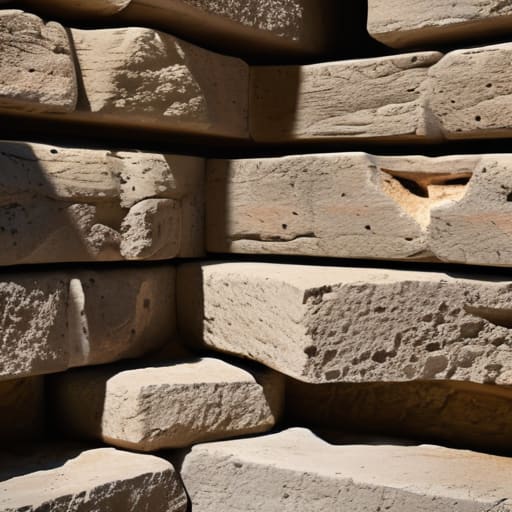
When we step back from the grand vistas of Pompeii or the sweeping arches of the coastal villas, the real truth of Campania reveals itself in the small, messy details. It isn’t just a story of conquest, but a story of material adaptation. We see it in the way the Roman opus reticulatum eventually smoothed over the rugged, local Oscan masonry, and in how the heavy, functional limestone of the pre-Roman era was gradually refined into the elegant, standardized language of the Empire. To understand this continuity, you have to look past the marble facades and focus on the structural dialogue between the old foundations and the new walls; the Roman way of building didn’t just erase what came before, it absorbed it, layer by layer, into a new, hybrid reality.
I often find myself standing in front of a crumbling wall, my camera ready to capture a single, stubborn joint where two eras meet, and I realize that these buildings are never truly finished. They are ongoing conversations between the hands of the past and the gravity of the present. My hope is that when you next walk through these landscapes, you won’t just see ruins, but a continuous, breathing lineage of human decision-making. Don’t just look at the monument; look at the seams where the history actually meets the stone. That is where the soul of Campania truly resides.