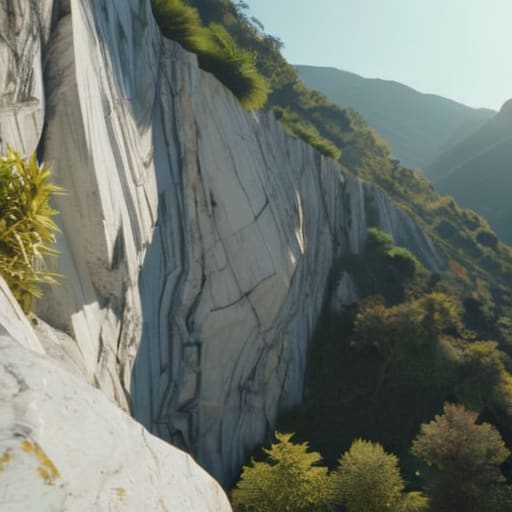
I was standing in a drafty courtyard near Syracuse last autumn, tracing the edge of a weathered plinth, when I realized how much we get wrong about luxury. People talk about marble as if it were a finished, static product—something bought by the square meter from a catalog—but that is a lie. To truly understand marble and its sources, you have to stop looking at the polished surface and start looking at the geological violence that created it. You have to see the way the stone was wrenched from the earth and the specific, often brutal, decisions made by the quarrymen who first laid hands on it.
I have no interest in the marketing gloss used to sell expensive slabs to people who only care about the price tag. Instead, I want to show you how to read the stone itself. In this series, I am going to strip away the hype and talk about the real anatomy of these materials. We will look at how a specific vein tells you exactly which mountain it came from, and why the way a piece was cut matters more than the name on the invoice.
Table of Contents
The Geological Origins of Marbles Ancient Soul
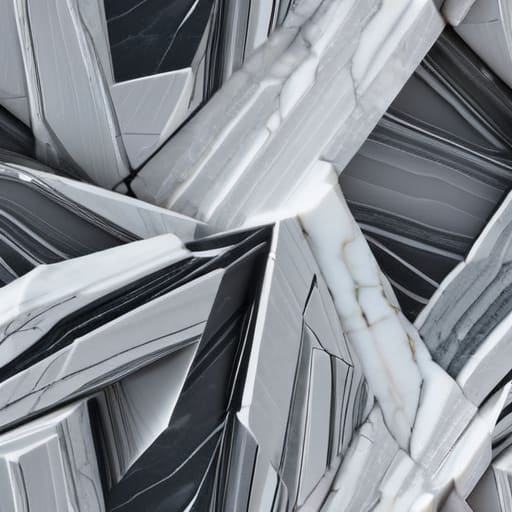
When I run my hand over a slab of white stone, I’m not just feeling a surface; I’m feeling the result of a violent, slow-motion collision deep within the earth. To understand why a piece of stone behaves the way it does under a chisel, you have to look past the polish and into its metamorphic rock formation process. Marble isn’t just “stone”—it is limestone that has been subjected to such intense heat and pressure that its very crystalline structure has been reborn. This recrystallization is what gives the stone its soul, turning a dull sedimentary layer into a dense, interlocking web of crystals.
If you look closely at the grain, you can almost see the ghost of the original seabed. The specific calcite mineral composition determines whether a block will be brittle or resilient, and whether it will take a high polish or remain soft and matte. This is why I spend so much time in the mountains; you cannot understand the stone until you see the raw, unrefined face of it emerging from the mountain. The geological origins of marble dictate everything from the way a vein of impurity snakes through a column to how the stone will eventually weather under the Mediterranean sun. Every fracture tells a story of a tectonic shift that happened millions of years before a single architect ever drew a line.
Deciphering the Metamorphic Rock Formation Process
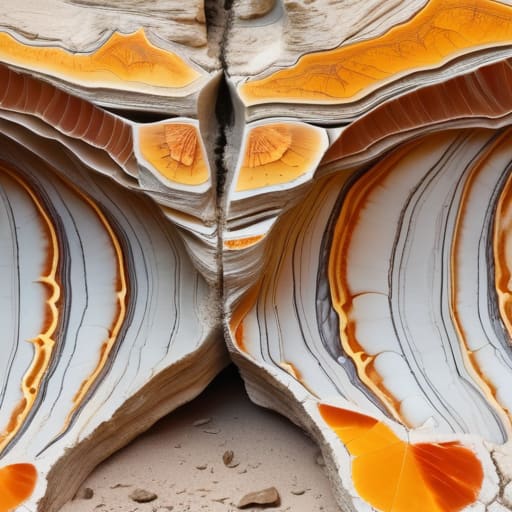
To understand why a block of stone behaves the way it does under a chisel, you have to look past the polish and into the heat. What we call marble isn’t a primary rock; it is a transformation. Through the metamorphic rock formation process, limestone—once a soft, sedimentary accumulation of marine shells and organic debris—is subjected to immense tectonic pressure and searing temperatures deep within the earth’s crust. This isn’t a sudden change, but a slow, agonizing recrystallization.
During this metamorphosis, the original structure of the limestone is obliterated and reborn. The calcite mineral composition begins to interlock, growing into larger, more cohesive crystals that give the stone its signature density and translucency. When I am standing in a quarry, I am looking at the result of millions of years of geological stress. You can see where the pressure was uneven by the way the crystals have aligned; these microscopic patterns are what dictate whether a slab will split cleanly along a vein or shatter unpredictably. It is this internal struggle, frozen in time, that ultimately defines the unique Carrara marble characteristics we have spent centuries trying to master.
The Stone Remains
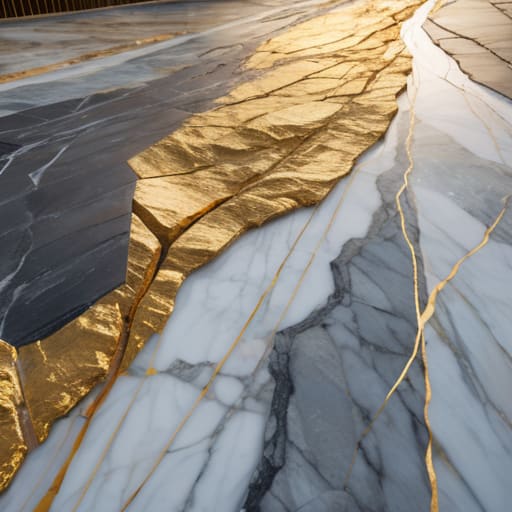
We have traveled from the deep, pressurized silence of the metamorphic process to the specific, jagged edges of the quarries that gave these stones their names. To understand marble is to realize it is never just a static decorative surface; it is a frozen record of heat, tectonic movement, and the violent transformation of limestone. When I stand before a column in a Roman forum or a slab in a modern palazzo, I am no longer just looking at a color or a pattern. I am looking at a geological timeline that was interrupted, carved, and polished by human hands to serve a purpose that often outlives the very civilization that commissioned it.
Next time you walk through a city, I ask you to stop looking at the grand facades and start looking at the seams. Look at how the light catches a particular vein, or how a specific cut tells you exactly which tool was used to tame the mountain. There is a profound, quiet dignity in the way these stones hold their ground. If we learn to read the language of the material, we stop seeing buildings as mere objects and begin to see them as living dialogues between the earth and the architects who dared to shape it.