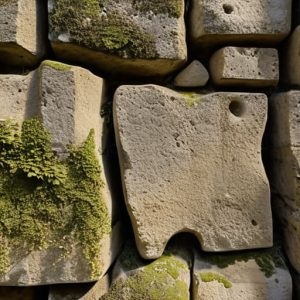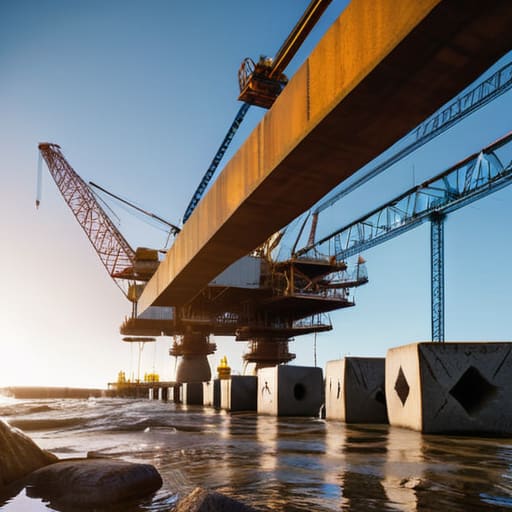
I was kneeling in the salt-crusted silt of a Roman pier near Ravenna last autumn, my fingers tracing the jagged edge of a broken travertine block, when it hit me how much we misunderstand the sheer defiance of these structures. Most people look at a modern breakwater and see a triumph of heavy machinery and expensive, high-tech composites, but they miss the actual soul of the work. We’ve become obsessed with the idea that better “harbour engineering” means more complex calculations and more aggressive materials, when in reality, the most enduring works were born from a profound, almost intimate understanding of how a single stone settles against the tide.
I am not here to sell you on the latest expensive additives or the glossy brochures of modern maritime firms. Instead, I want to pull back the curtain on the physicality of the craft—the way a joint is cut to bleed off wave energy, or how the specific density of a local aggregate can dictate whether a pier stands for a decade or a millennium. We are going to look past the scale of these projects and focus on the logic of the assembly, examining how the decisions made at the waterline determine the survival of the entire structure.
Table of Contents
The Alchemy of Pozzolana and Roman Harbor Construction Methods
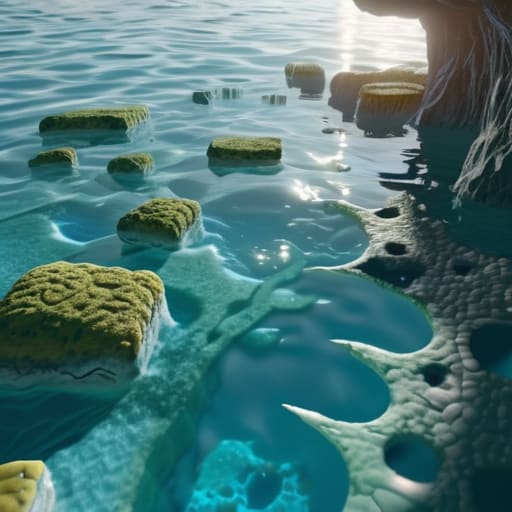
I spent most of last Tuesday in the archives looking at old surveys of the Portus site, but nothing compares to seeing the actual material under a magnifying glass. When we talk about ancient Roman maritime infrastructure, we often focus on the sheer scale of the basins, but the real magic is happening at the molecular level. They weren’t just piling stones; they were practicing a form of chemistry that we are still trying to fully replicate. By mixing volcanic ash—the pozzolana—with lime and seawater, they created a hydraulic cement that didn’t just resist the ocean, but actually thrived in it.
As I trace the edges of a submerged pier, I’m struck by how the seawater triggers a chemical reaction that grows crystals within the mortar, effectively knitting the structure together over centuries. This wasn’t a passive construction; it was an active engagement with the environment. Their Roman harbor construction methods relied on this ability to set underwater, allowing them to cast massive, monolithic blocks directly into the sea. You can see the intentionality in the way the aggregate is distributed; they weren’t just filling gaps, they were designing a substance meant to endure the relentless, rhythmic battering of the Mediterranean.
Deciphering the Intent Behind Portus Hydraulic Engineering Techniques
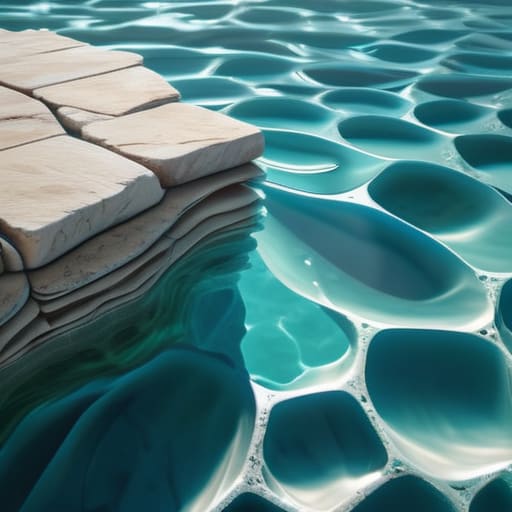
When I stand at the edge of a surviving quay, I am less interested in the grand scale of the basin and more obsessed with the submerged geometry of the walls. You can see the intent of the engineer in the way they anticipated the water’s energy. It isn’t just about building a wall; it is about understanding the specific physics of the local swell. In many of these sites, the Portus hydraulic engineering techniques reveal a sophisticated grasp of fluid dynamics—look closely at the curvature of the stone facing, and you’ll see it wasn’t designed for aesthetics, but to deflect the kinetic force of a wave rather than simply absorbing its impact.
There is also a quiet, desperate intelligence in how they handled the silt. I often find myself tracing the transition from heavy masonry to more porous linings, which tells me they were already grappling with the headache of sedimentation management in ports. They knew the sea would try to reclaim the basin, so they built with a calculated allowance for movement and buildup. It’s a dialogue between the architect’s rigid plan and the ocean’s chaotic reality; you can see the exact moment a designer decided to prioritize durability over perfection by the way the heavy blocks are keyed into the bedrock.
The Weight of the Water and the Will of the Maker
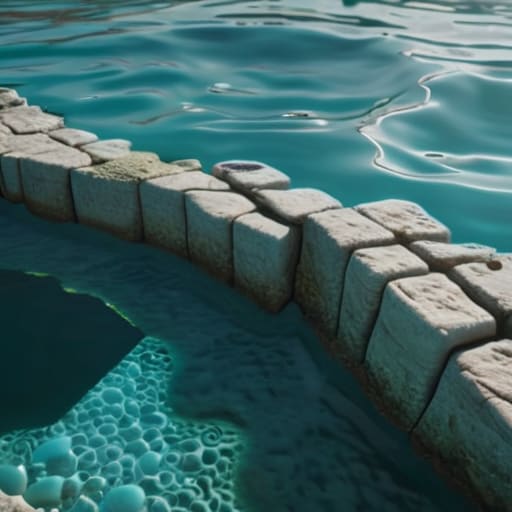
When we look back at these structures, we aren’t just looking at piles of stone or layers of volcanic ash; we are looking at a massive, calculated response to the chaos of the Mediterranean. From the chemical miracle of the pozzolanic reaction that allowed Roman concrete to harden underwater, to the precise, almost desperate geometry of the hydraulic defenses at Portus, every element tells a story of survival. We have seen how the engineers didn’t just fight the sea—they negotiated with it, using material science and sheer structural grit to create spaces where commerce and empire could breathe. It is in the intentionality of the joint and the specific density of the aggregate that we find the true blueprint of their success.
As I sit here sketching the weathered edges of a modern breakwater, I can’t help but feel that we have lost something in our era of rapid, standardized construction. We build for the next decade, whereas these ancient hands built for the centuries. Next time you stand on a pier or walk along a quay, don’t just look at the horizon. Look down at the masonry, the way the blocks meet, and the way the salt has etched itself into the grain. A harbour is never just a boundary; it is a testament to human persistence, a permanent record of our refusal to let the tide have the final word.