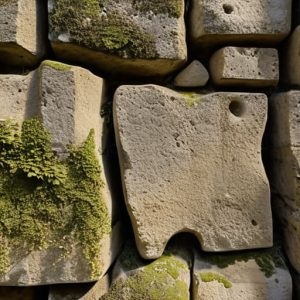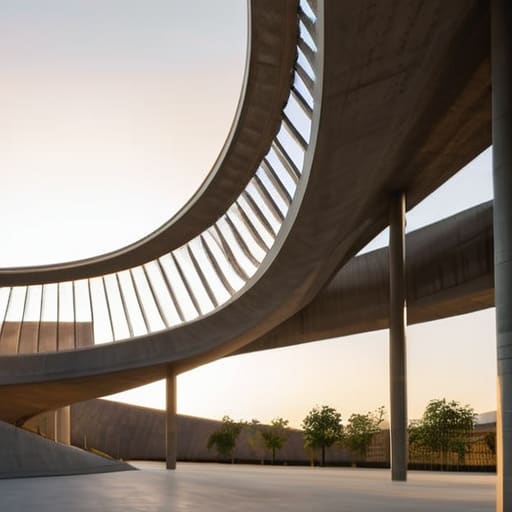
I was standing on a scaffold in a damp corner of a Sicilian nave last autumn, my flashlight tracing the hairline fractures where the masonry meets the drum, when I realized how much we get wrong. Most people—even some of my colleagues—get lost in the grand, sweeping geometry of a ceiling, treating the structure like a mathematical miracle that just happens. They talk about the dome and its engineering as if it were some abstract concept of physics, but they completely ignore the physical grit of it. They miss the way the mortar was packed, the slight irregularities in the brick courses, and the sheer, stubborn willpower required to keep those stones from sliding into the nave below.
I’m not here to give you a lecture on theoretical calculus or the romanticized myths of Renaissance genius. Instead, I want to show you how to read the structural logic written in the very fabric of the building. We are going to look past the aesthetic splendor to examine the actual mechanics of weight, tension, and compression. By the end of this, you won’t just see a beautiful curve overhead; you will understand the precise decisions made by the masons who fought gravity and won.
Table of Contents
Tracing the Ghost of Roman Concrete Composition
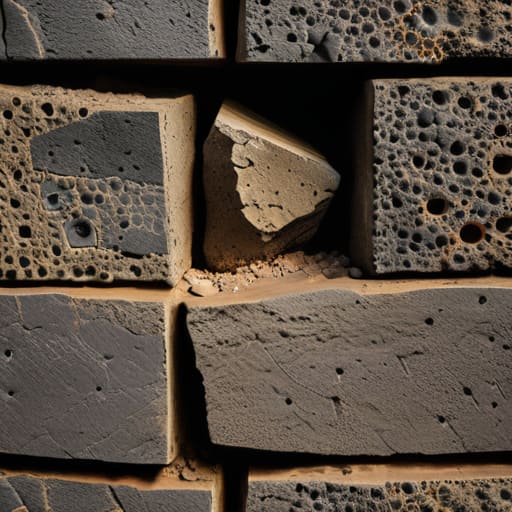
I spent an hour yesterday just kneeling on the floor, tracing the hairline fractures where the aggregate meets the lime. It is easy to get lost in the grand scale of the space, but the real secret lies in the chemistry of the Roman concrete composition. When you look at a cross-section of these walls, you aren’t just looking at stone; you are looking at a deliberate, layered recipe. The builders didn’t just pour a mass; they carefully selected lighter volcanic scoria for the upper reaches to manage the architectural weight distribution, ensuring the structure didn’t eventually crush itself under its own ambition.
It is a fascinating dance between materials. In the lower, thicker courses, the density of the aggregate is much higher, providing the necessary foundation to handle the immense compression and tension in masonry that occurs as the curve of the ceiling pushes outward. I often find myself photographing the way the different types of tuff and brick fragments are embedded; they aren’t random. Each stone was placed with an eye toward how it would resist the lateral thrust. To understand the dome, you have to stop seeing it as a single object and start seeing it as a calculated sequence of weights fighting to stay in place.
The Silent Struggle of Compression and Tension in Masonry
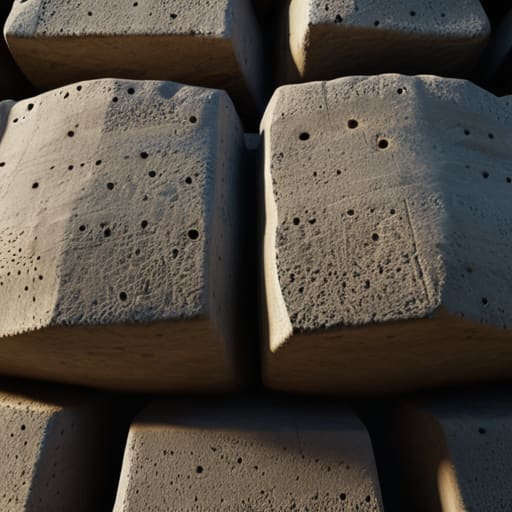
I often find myself tracing the perimeter of the drum, my fingers searching for the subtle outward bulge that tells the true story of the struggle within. It is easy to look up and see a perfect, static sphere, but a dome is never truly at rest; it is a continuous, violent negotiation between gravity and geometry. While we often focus on the downward force, the real drama lies in the lateral thrust—that relentless urge of the masonry to push itself outward, away from the center. Understanding the compression and tension in masonry is what separates a mere observer from someone who truly sees the physics at play.
If you look at the way the ring stones are keyed into the base, you can see the builders’ anxiety etched into the very stone. They weren’t just stacking material; they were managing a sophisticated architectural weight distribution that required every single block to work in concert. If the tension becomes too great, the joints begin to yawn, and the entire equilibrium collapses. I spent three hours last Tuesday just photographing a hairline fracture near the spring line—not because it was a failure, but because it was a visual record of the building fighting to stay whole against the constant, invisible pull of the earth.
The Lasting Echo of the Mason's Hand
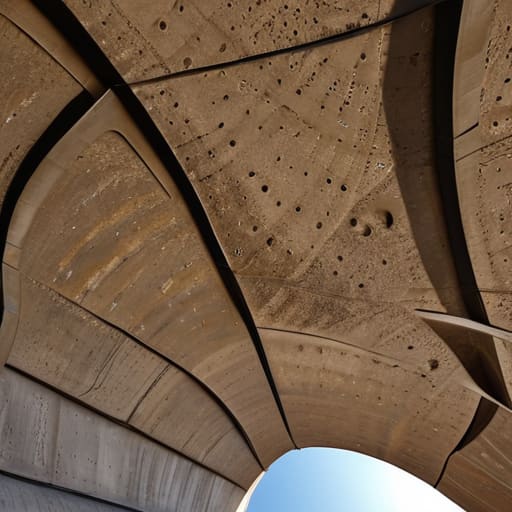
When you step back from the scale of the dome and look again, the story becomes clear. It isn’t just a feat of geometry; it is a physical record of every compromise and triumph found within the material. We have seen how the specific chemistry of the Roman concrete provided the necessary lightness, and how the careful management of compression allowed those massive stone ribs to hold their ground against the outward thrust. Every joint we traced and every layer of aggregate we analyzed serves as evidence of a calculated battle against gravity. To understand the dome is to understand that its stability isn’t magic—it is the result of thousands of deliberate, technical decisions made by hands that have long since returned to the earth.
I often find myself standing in these spaces long after the tourists have left, just watching how the light hits a particular seam in the masonry. It reminds me that we are never truly alone in a building; we are constantly in conversation with the builders who preceded us. The next time you walk under a great span, don’t just look up at the height or the beauty of the curve. Look for the tool marks, the irregularities in the mortar, and the way the stones lean into one another. Listen to what the structure is telling you. Because if you pay enough attention, you realize that a building isn’t a finished object—it is a living testament to human intent.