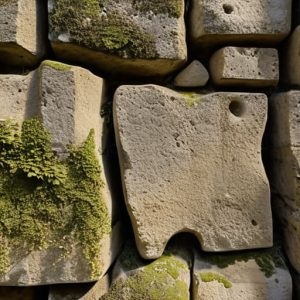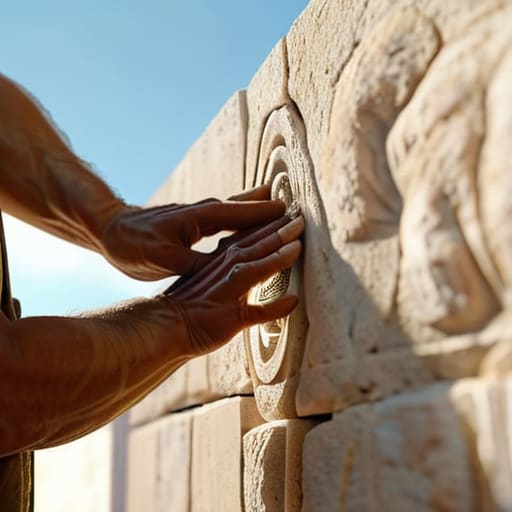
I was kneeling in the dust of a site near Ostia last Tuesday, my knees aching against the uneven ground, when I saw it: a single, jagged fracture in a stretch of ancient opus caementicium. Most people walk past these ruins and see nothing but “old stones,” but when you lean in close, you realize that the true genius of roman building materials isn’t found in the grand marble facades that tourists snap photos of. It’s in the grit and the chemistry of the core. It’s in the way they understood the volcanic ash, the specific weight of the aggregate, and the terrifyingly precise way they managed moisture.
I’m not here to give you a sanitized, textbook list of minerals or a romanticized lecture on imperial grandeur. My goal is to show you the actual mechanics of how these structures refused to die. We are going to look past the surface polish and get our hands dirty with the reality of the lime, the tuff, and the pozzolana. I want to teach you how to read the structural logic left behind by craftsmen who haven’t breathed in two millennia, because once you understand the recipe, you’ll never look at a wall the same way again.
Table of Contents
The Secret Life of Volcanic Ash in Roman Mortar
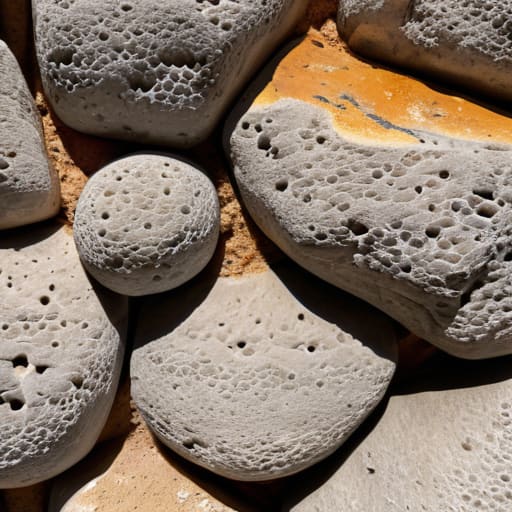
I remember standing in a partially excavated courtyard near Pozzuoli, tracing my fingers along a seam of mortar that had survived two millennia of salt spray and seismic shifts. Most people look at a Roman wall and see a monolith, but if you look closer at the opus caementicium techniques, you realize it’s actually a sophisticated chemical dialogue. The secret isn’t just in the lime; it’s in the pozzolana. By mixing this specific volcanic ash with lime and water, the Romans weren’t just making a paste—they were triggering a chemical reaction that allowed the mortar to set even underwater.
This isn’t just a matter of primitive strength; it’s about the durability of ancient Roman structures through intentionality. When you examine the volcanic ash in roman mortar, you see how the microscopic crystals actually grow into the cracks over time, self-healing the material as it ages. It’s a far cry from the modern Portland cement we use today, which often begins to degrade the moment it cures. To me, that’s the real magic: they didn’t just build against the elements; they built a material that learned how to live with them.
Why Ancient Roman Concrete Composition Defies Time
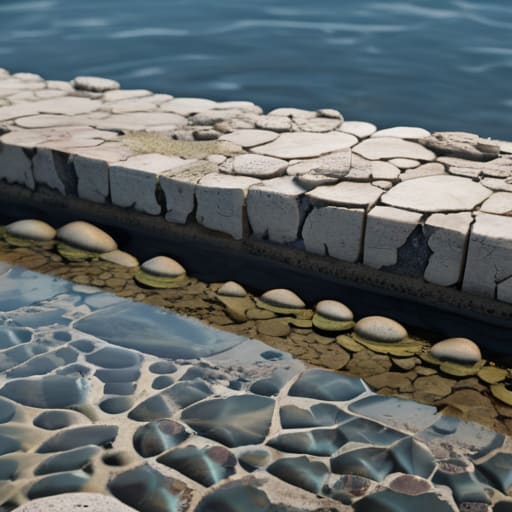
I spent three hours yesterday in a small workshop near Ostia, staring at a fragment of a pier that had been submerged for centuries. Most people see a weathered chunk of grey rubble, but when you look closer at the opus caementicium techniques used there, you realize you aren’t looking at something that has merely survived; you are looking at something that is still actively working. Unlike our modern Portland cement, which is designed to be inert and eventually cracks under the stress of its own rigidity, this ancient mix was chemically alive.
The real magic lies in the way the lime and volcanic ash react with seawater. It’s not a static bond. Instead, the minerals undergo a continuous process of recrystallization, essentially healing the microscopic fractures that form over decades. This isn’t just a matter of luck or a “lost recipe” we’ve forgotten; it is a sophisticated understanding of mineralogy. When we analyze the ancient roman concrete composition, we see that the inclusion of specific volcanic clasts allowed the material to grow stronger through chemical interaction with its environment. It’s a humbling thought: we build for the next fifty years, but they built for the next two millennia.
The Architecture of Permanence
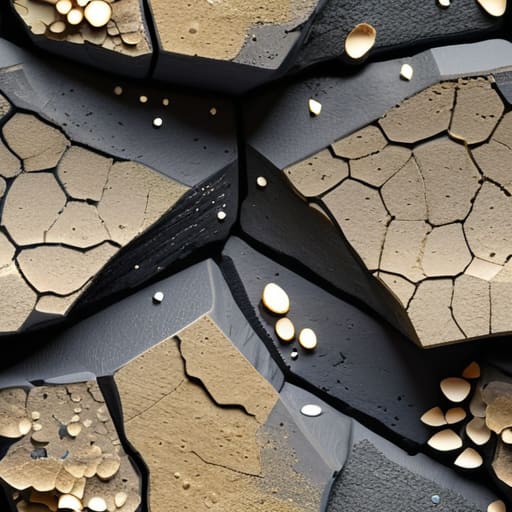
When you step back from the scale of a ruin and focus instead on the microscopic level—the way the pozzolana binds with lime or how the aggregate was selected for its specific density—the narrative shifts. We aren’t just looking at piles of rubble; we are looking at a sophisticated material intelligence. The Romans didn’t just stumble upon longevity; they engineered it through a deep, almost tactile understanding of how volcanic ash and seawater interact to create a chemical bond that actually grows stronger with age. It is this deliberate alchemy of earth and water that allowed their infrastructure to survive the collapse of the very civilization that conceived it.
I often find myself tracing the edges of a weathered joint, wondering about the specific hand that mixed the mortar or the decision to use one type of tuff over another. It reminds me that every structure is a conversation between the environment and the builder. As we look toward our own future of construction, perhaps we should stop asking how quickly we can build and start asking how we might leave behind something that refuses to disappear. The real legacy of Rome isn’t found in its grand arches, but in the stubborn endurance of its chemistry, waiting for us to finally learn how to read it.