
I was in a damp basement in Ravenna last autumn, tracing the edge of a sixteenth-century stone plinth, when a contractor tried to explain to me why we should pump a layer of spray foam against the masonry to “save on heating.” I almost dropped my calipers. There is this dangerous, pervasive myth that we can solve the complexities of energy retrofits and heritage by simply treating old buildings like modern, airtight plastic boxes. It is a fundamental misunderstanding of physics; if you seal a wall that was designed to breathe, you aren’t saving energy—you are trapping moisture and inviting decay to eat the very structure you’re trying to protect.
I am not here to sell you on expensive, high-tech gadgets that have no business touching a hand-cut limestone facade. Instead, I want to talk about the actual mechanics of the wall—the lime, the voids, and the thermal mass. I promise to share what I have learned from twenty years of surveying these structures, focusing on how we can achieve modern comfort without suffocating the craftsmanship. We will look at the joints and the materials, because that is where the real solution to sustainable conservation lives.
Table of Contents
Reading the Thermal Performance of Historic Structures
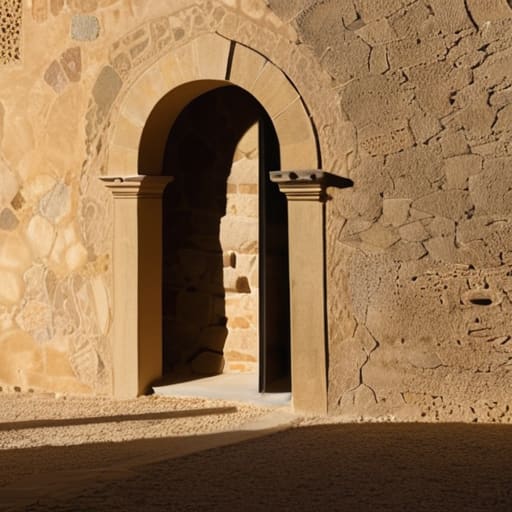
When I walk into a room in a sixteenth-century palazzo, I don’t just feel the temperature; I look for the clues of how that temperature is being managed. You cannot simply treat a historic structure like a modern glass box. To understand the thermal performance of historic structures, you have to look at the thickness of the masonry and the way the lime mortar facilitates a specific kind of movement. These walls were designed to act as a thermal flywheel, absorbing the sun’s heat during the day and slowly releasing it at night. If you ignore this rhythm, you aren’t just changing the temperature; you are fundamentally misunderstanding the physics of the building.
The real difficulty arises when we try to intervene. I often see well-meaning contractors attempting to seal every crack to stop drafts, but in doing so, they often create a moisture trap. This is one of the most significant heritage building insulation challenges: if you prevent the wall from breathing, you invite rising damp and salt crystallization that can turn a beautiful stone facade into a crumbling mess. We have to move away from the idea of “sealing” and toward the idea of managing flow. It is a delicate dance between modern comfort and the preservation of the very materials that have kept these buildings standing for centuries.
Where Modern Carbon Meets Ancient Stone
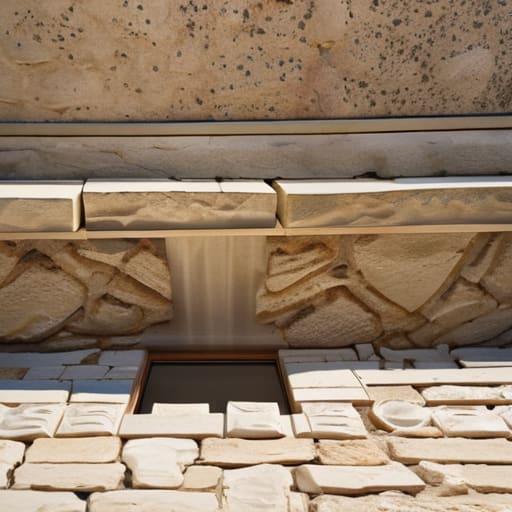
I spent this morning in a small courtyard near Syracuse, tracing the outline of a nineteenth-century facade that had been clumsily “upgraded” with an external thermal insulation composite system. It was heartbreaking. The installers had essentially wrapped the building in a plastic shroud, completely obscuring the subtle rhythm of the stone courses and the delicate moldings. This is the central tension of decarbonizing historic architecture: the desperate rush to meet modern carbon targets often ignores the physical reality of the materials we are trying to save. When we prioritize a simple R-value over the building’s ability to manage moisture, we aren’t just failing at conservation; we are actively accelerating decay.
The real difficulty lies in the fact that these old walls were never designed to be airtight. They rely on a continuous, rhythmic exchange of vapor through lime-based mortars and porous masonry. If we attempt to force a modern, non-breathable barrier into the equation, we trap humidity behind the new layer, leading to interstitial condensation that rots the very core of the structure. Achieving true sustainable heritage conservation requires us to stop thinking about buildings as static boxes to be sealed, and start seeing them as dynamic, breathing systems that require a much more nuanced, surgical approach to insulation.
The Responsibility of the Layer
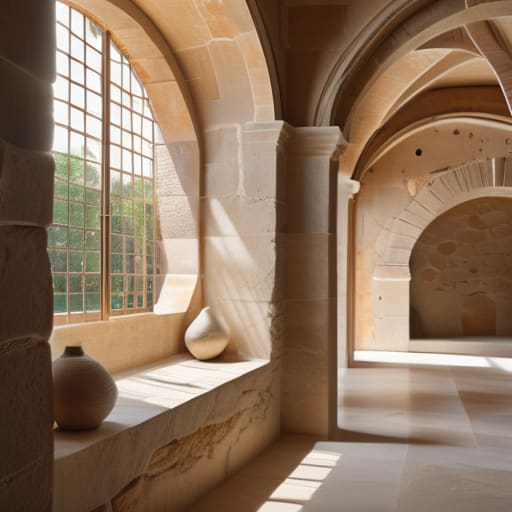
Ultimately, we have to stop viewing energy efficiency and heritage conservation as two warring factions. If we treat a sixteenth-century palazzo like a modern glass box, we fail both the history and the inhabitant. We’ve seen that the solution doesn’t lie in aggressive, impermeable membranes, but in understanding the hygroscopic dance between stone and air. Whether we are navigating the complexities of Roman concrete or the delicate lime washes of a Sicilian courtyard, the goal remains the same: we must introduce thermal improvements that work with the building’s existing logic, rather than trying to overwrite it with a layer of plastic and foam that will only lead to decay.
When I stand before a wall that has survived centuries of seismic shifts and seasonal cycles, I am reminded that we are merely the latest stewards of these structures. Our task isn’t to freeze them in time, but to ensure they can survive a changing climate without losing their soul. We must learn to add our own chapter to the building’s long history—a chapter written in breathable, compatible materials and thoughtful engineering. If we do this right, the next generation won’t just see a beautiful facade; they will see a structure that was cared for with the same technical respect as the craftsmen who laid the very first stone.