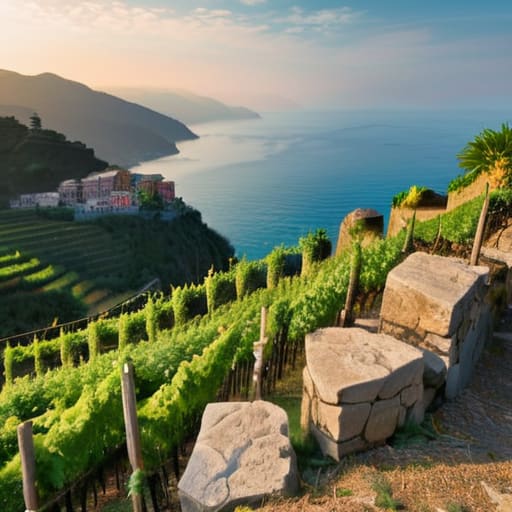
I remember sitting on a crumbling limestone ledge near Vernazza, my knees stained with dust, watching a local farmer inspect a hairline fracture in a retaining wall. While the tourists were busy snapping wide-angle selfies of the colorful villages, I was obsessed with the gravity-defying logic of the stones beneath my feet. Most guidebooks treat cinque terre terracing as some sort of romantic, postcard-perfect backdrop, but they completely ignore the brutal, physical reality of it. These aren’t just pretty stairs for grapes; they are a violent, beautiful negotiation between human necessity and a landscape that wants to slide straight into the Ligurian Sea.
I’m not here to sell you on the “magic” of the Italian Riviera or give you a list of the best photo spots. Instead, I want to show you how to actually read these walls. I’ll walk you through the grit of the dry-stone technique, the specific way the drainage works to prevent catastrophic landslides, and why the choice of local stone matters more than any aesthetic trend. We are going to look past the view and focus on the structural soul of the terraces—the way they were built to endure long after the people who stacked them are gone.
Table of Contents
Reading the Skeleton of the Coastal Slopes
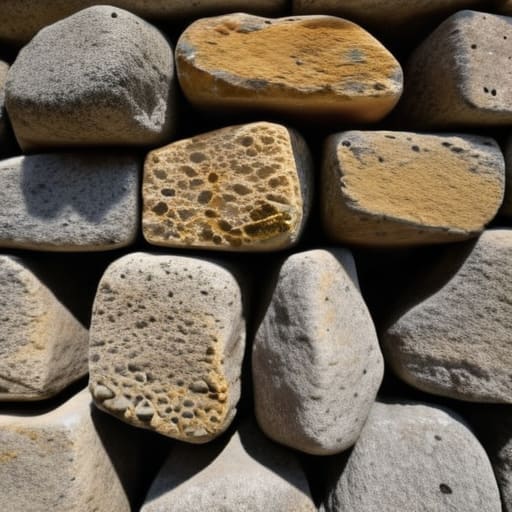
When you stand close enough to one of these walls, the scale shifts. You stop seeing a landscape and start seeing a series of calculated, heavy decisions. This isn’t the neat, mortared masonry we see in Roman ruins; this is dry stone wall construction at its most visceral. There is no cement to hide mistakes here. Every stone has been selected, turned, and wedged into place by hand, relying entirely on gravity and the friction between rough surfaces to hold the mountain back. I often find myself tracing the edges of the larger foundation stones, looking for the subtle depressions where a mason’s thumb might have pressed into the grit centuries ago.
The logic of the slope is written in the way the stones are layered. They aren’t just stacked; they are interlocked in a rhythmic, structural dance designed to breathe. If you were to seal these gaps with modern mortar, the first heavy autumn rain would turn the entire terrace into a landslide. These walls need those tiny voids to allow water to seep through slowly, providing essential erosion control in coastal landscapes while keeping the soil behind them stable. It is a fragile, beautiful equilibrium—a constant negotiation between the steepness of the Ligurian cliffs and the human will to plant a single vine.
Why Every Stone Was Placed With Intent
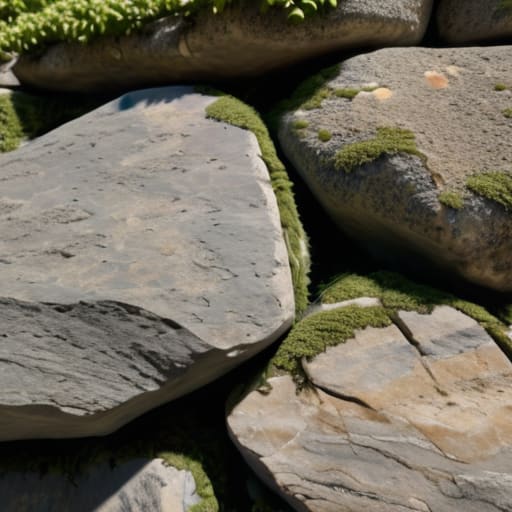
When you stand close enough to one of these walls, the scale shifts. You stop seeing a landscape and start seeing a series of individual, heavy decisions. This isn’t just haphazard piling; it is a sophisticated system of dry stone wall construction where every stone was selected for its specific geometry. I often find myself tracing the contact points between two rocks, looking for that moment where the mason found the perfect seat. They weren’t using mortar to hide mistakes; they were using gravity and friction to create a living, breathing structure that can actually move with the earth rather than cracking against it.
There is a profound, almost desperate intelligence in how these terraces support viticulture in Liguria. Each level was engineered to hold just enough soil to feed the vines while allowing excess rainwater to seep through the joints, preventing the entire hillside from liquefying during a storm. It’s a delicate balance of weight and void. When I look at a particularly old section, I don’t just see a vineyard; I see a centuries-old dialogue between the human hand and the sheer instability of the Mediterranean coast. Every stone was placed to solve a problem that the next generation would eventually inherit.
The Weight of the Legacy
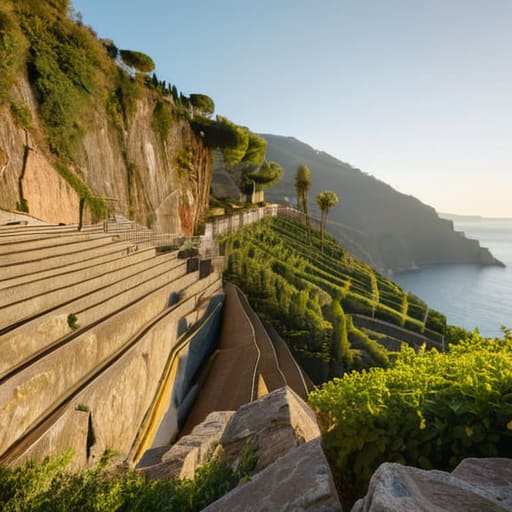
When you step back from the view, you realize these terraces aren’t just scenery; they are a massive, decentralized machine made of grit and limestone. We’ve looked at how the lack of mortar allows the walls to breathe during the heavy Ligurian rains, and how the specific selection of local stone turned a vertical impossibility into a productive landscape. Every single dry-stone joint we discussed is a testament to a specific logic—a way of managing gravity and water without the luxury of modern cement. To understand these walls is to understand that the landscape itself was engineered by a thousand small, repetitive decisions made over centuries.
I often find myself running my fingers over a particularly well-set corner, feeling the slight grit of the stone, and I can’t help but think of the hands that were there before mine. We tend to look at the Cinque Terre as a postcard, a finished and static image, but it is actually a living, breathing dialogue between human labor and an unforgiving coastline. My hope is that the next time you climb these paths, you don’t just see a beautiful view, but you see the struggle and the skill hidden in the seams. Look for the marks of the tools, the way the stones lock together, and remember: a wall is never just a wall; it is a record of someone’s decision to stay.