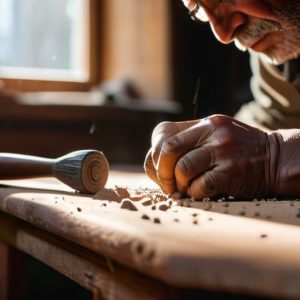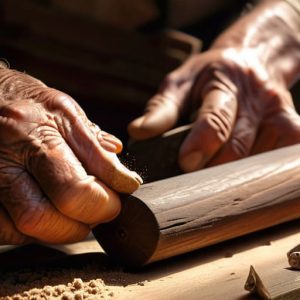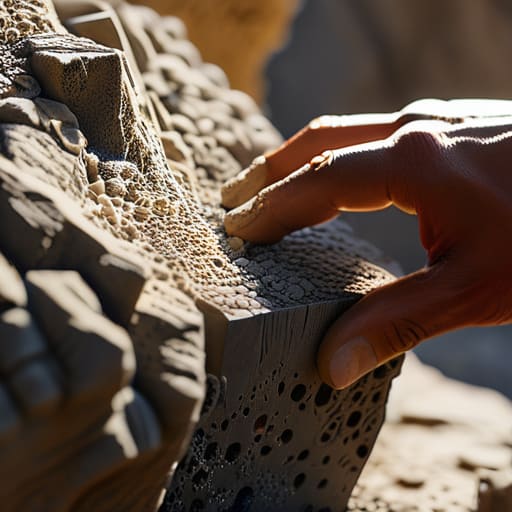
I remember standing in a narrow alleyway in Naples last October, the air thick with the scent of damp earth and espresso, staring at a crumbling lintel that everyone else had dismissed as “decaying.” My hands were coated in a fine, grey dust—the kind that gets under your fingernails and stays there for days—as I traced the jagged edges of the masonry. Most people look at tufa and volcanic stone and see nothing more than a dark, porous nuisance that eats up expensive mortar, but they are missing the entire conversation. To me, that stone isn’t just a building material; it is a physical record of the geological violence that shaped our landscape and the hands that shaped the stone to match it.
I am not here to sell you on the romanticized “aesthetic” of volcanic masonry, nor will I bore you with the sanitized, textbook definitions you can find anywhere else. Instead, I want to show you how to actually read these materials. We are going to look past the surface to understand how the porosity of the stone dictates the breathability of a wall and why choosing the wrong lime binder can be a death sentence for a historic facade. This is about the technical reality of working with what the earth gives us.
Table of Contents
Tracing the Makers Hand in Ancient Masonry
Tracing the Maker’s Hand in Ancient Masonry
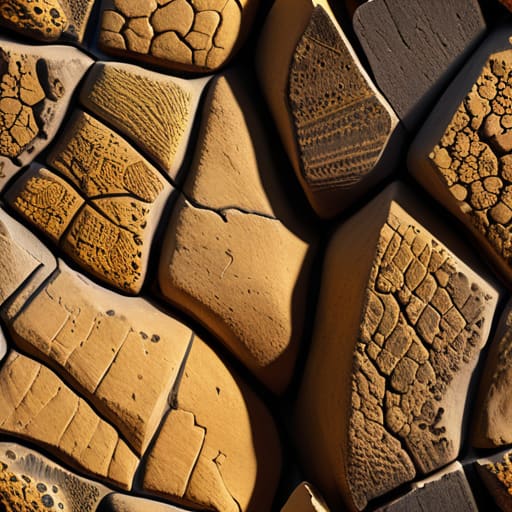
I often find myself kneeling in the dust of a Roman-era foundation, tracing the jagged edges of a block with my fingertips. You don’t just see the history; you feel the rhythm of the tool. When I look at a piece of worked tufa, I’m not looking at a finished surface, but at a series of choices. The tufa stone texture and use in these contexts reveals a specific dialogue between the mason and the material. They knew that this stone, while relatively soft to carve, possessed a structural honesty that larger, denser marbles lacked. You can see where the chisel bit deep to clear a joint, and where the mason perhaps smoothed a surface just enough to accommodate a lime-based mortar.
It is this very cellular structure—this internal architecture of voids—that defines the stone’s character. In my surveys, I notice how the light doesn’t just bounce off the surface; it gets trapped within the micro-pitting. It reminds me of how people today study aquarium substrate properties to understand water flow, but for the ancient builder, that same porosity was about weight and grip. They weren’t just stacking rocks; they were managing a living, breathing medium that allowed the building to settle and breathe with the earth itself.
The Weight of Decisions Etched in Basalt
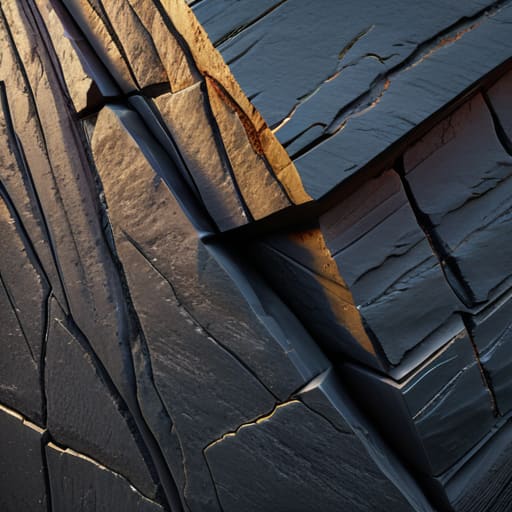
When I stand before a heavy basalt block, I don’t just see a structural unit; I see a choice made against gravity. Basalt is unforgiving. Unlike the softer, more forgiving tufa, this stone demands a certain violence to shape, yet it yields a surface that is incredibly dense and permanent. I often find myself tracing the scars left by iron chisels on these dark surfaces, noting how the mason had to account for the stone’s sheer mass. There is a deliberate heaviness here that dictates the entire rhythm of a wall. You cannot simply “place” basalt; you must negotiate with it, ensuring the foundation can bear the concentrated load of such a stubborn, non-porous material.
Interestingly, this lack of permeability is exactly what makes it such a stark contrast to the more breathy, aerated stones I encounter in the Mediterranean. While I spend my days analyzing how tufa stone texture and use affects the moisture migration in a crumbling facade, basalt sits there, indifferent to the humidity. It is this very density that makes it a favorite in modern contexts—not just for its aesthetic weight, but because of its stability. Even when people move away from architecture and look toward aquascape volcanic rock types or specialized filtration, they are essentially chasing the same fundamental truth I find in old ruins: the way a stone’s internal structure dictates its relationship with the world around it.
The Living Record of the Stone
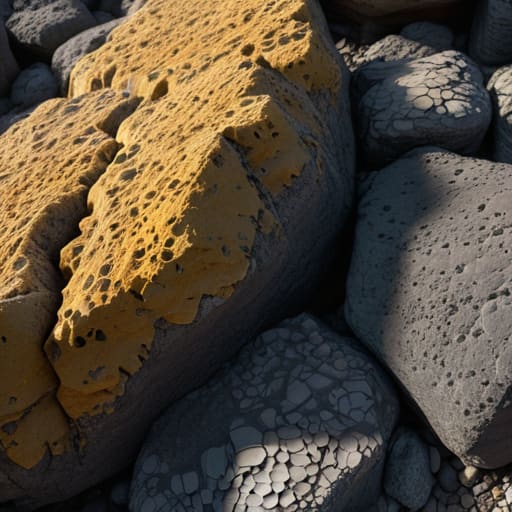
When we look at a wall of tufa or a heavy basalt threshold, we aren’t just looking at geological history; we are looking at a series of deliberate choices. From the way a mason worked around the irregularities of porous volcanic rock to the heavy, rhythmic percussion required to shape dense basalt, every mark tells us something about the labor and the logic of the era. To understand these materials is to understand that nothing was accidental. The mortar, the weight, and the very texture of the stone serve as a physical dialogue between the earth’s raw output and the human hand that sought to tame it.
Next time you find yourself walking through an old courtyard or tracing the edge of a Roman foundation, I urge you to stop looking at the facade and start looking at the joints. Don’t just see a wall; see the struggle to find the right fit and the wisdom of using what the land provided. These stones have outlasted the names of the architects and the empires they served, yet they still hold the quiet truth of how they were placed. If you listen closely to the masonry, the building will tell you exactly how it came to be.