I remember standing on a crumbling terrace in Etna’s shadow, my knees stained with dust, staring at a seam where the mortar had simply given up. Everyone around me was talking about the “aesthetic charm” of the masonry, as if these buildings were merely backdrops for a postcard. But when you are actually touching the grain, you realize that using volcanic stone in the south isn’t a stylistic choice or a romantic whim; it is a brutal, necessary dialogue with the earth itself. I spent three hours that afternoon just photographing the way a specific chisel mark had fought against the stone’s natural porosity, trying to understand why the mason had chosen to strike it so hard.
I have no interest in giving you a polished brochure on Mediterranean textures. Instead, I want to show you how to actually read these materials. I will walk you through the grit and the reality of how these dark, porous blocks behave over centuries, from the way they swallow humidity to the specific way they must be bedded in lime to prevent failure. We are going to look past the surface beauty and focus on the structural truth of the stone, because if you don’t understand the physics of the joint, you aren’t really looking at the building at all.
Table of Contents
Decoding the Geological Significance of Volcanic Stone
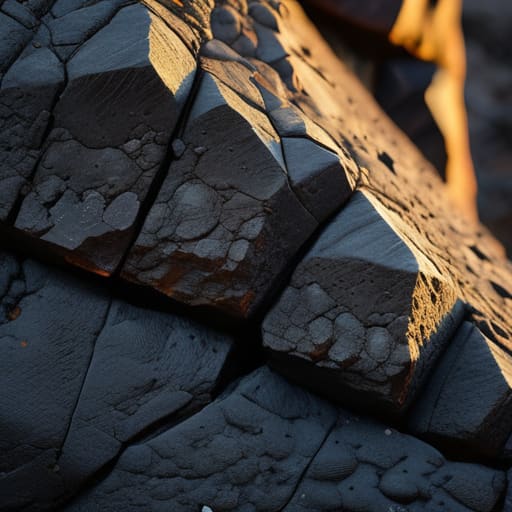
When I run my hands over a block of dark, vesicular basalt, I’m not just feeling a building material; I’m feeling the cooling rate of a prehistoric event. To understand why a street in Catania feels so different from one in Ravenna, you have to look at the Etna volcanic rock properties that dictate the very rhythm of the masonry. These aren’t just stones; they are frozen moments of thermal chaos. The high density and incredible compressive strength of these basaltic formations in southern regions meant that the builders weren’t fighting the material—they were collaborating with it. Unlike the softer limestones of the north that yield easily to a chisel, these igneous rocks demand a certain respect, a specific kind of heavy-handed precision.
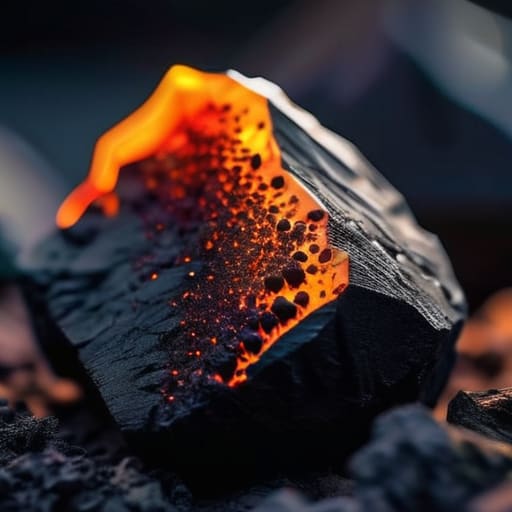
I often find myself photographing the tiny air pockets, the vesicles, left behind by escaping gases during the stone’s formation. These voids aren’t defects; they are the geological signature of the landscape itself. In many of the older quarters, you can see how the masons leveraged these textures to create a specific kind of grip in the mortar joints. It’s a reminder that the architecture here isn’t an imposition on the land, but rather a direct, hardened extension of the lava stone landscape characteristics that define the Mediterranean south.
The Raw Language of Basaltic Formations in Southern Regions
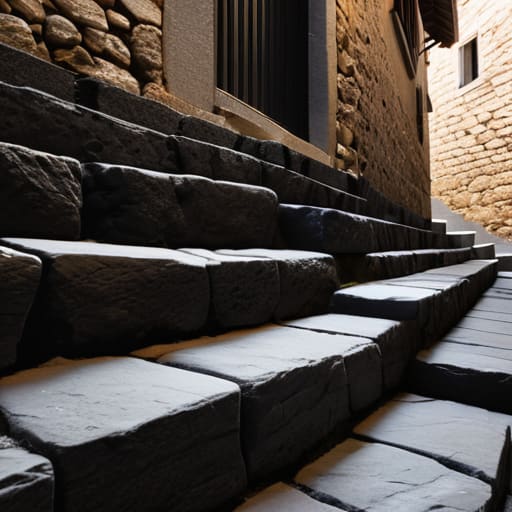
When I walk through the narrow alleys of Catania or the steep stairways of some Sicilian hilltop towns, I don’t just see streets; I see a physical manifestation of the earth’s temperament. The basaltic formations in southern regions aren’t just a decorative choice; they are a stubborn, heavy reality that dictates how a city breathes. Unlike the soft, honey-colored calcarenite you find in more coastal, sedimentary areas, these dark stones demand a different kind of respect. You cannot simply carve them with a light touch; you have to negotiate with them.
I often find myself kneeling on a sidewalk, tracing the edges of a paving stone where the texture shifts from smooth to vesicular. These tiny holes—the gas bubbles trapped during a cooling event—are the fingerprints of the mountain. Understanding Etna volcanic rock properties is essential for any restorer, because you aren’t just working with a mineral; you are working with a material that carries its own thermal memory. It holds the sun’s heat long after dusk, and it resists the salt air with a ferocity that lighter stones simply lack. To build with it is to accept a certain permanence and gravity that defines the very soul of the South.
The Texture of Survival
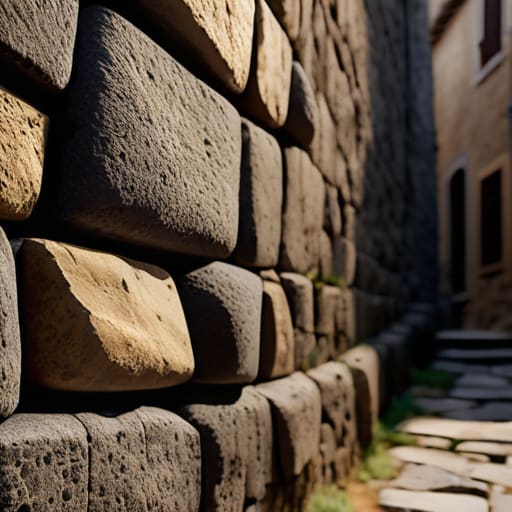
When we look back at these structures, we aren’t just looking at piles of heavy, dark rock; we are looking at a sophisticated dialogue between the earth and the hand. From the way the basalt was roughly hewn to suit a foundation, to the precise, almost desperate way it was wedged into the narrow streets of a Sicilian hillside, these stones represent a mastery of constraints. We have seen how the porosity of the volcanic material allowed these buildings to breathe, and how the sheer weight of the masonry provided a thermal stability that modern, lightweight materials simply cannot replicate. It is a lesson in material honesty—the stone does not pretend to be anything other than what it is, and in that refusal to hide, it finds its strength.
Next time you find yourself walking through a southern piazza, I ask you to stop looking at the facades and start looking at the joints. Look for the way the mortar has crumbled to reveal the irregular edges of a lava block, or how the sunlight catches the grit of a volcanic aggregate. These are not just ruins or old walls; they are the physical fingerprints of a civilization that understood how to build with the very fire of the earth. If you listen closely to the way the light hits those dark, textured surfaces, you realize that the real story isn’t in the grand design, but in the stubborn persistence of the stone itself.