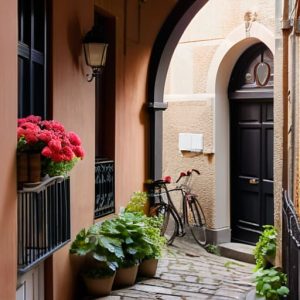
I was standing in a damp courtyard in Palermo last autumn, watching a contractor prepare to slap a thick, grey cementitious coating over a crumbling, nineteenth-century facade. It was painful to witness. People often treat render and lime finishes as if they are interchangeable, but that is a lie that kills buildings. They think a hard, waterproof seal is a solution, when in reality, they are just trapping moisture behind a tomb, forcing the stone to rot from the inside out. A building needs to breathe, not be suffocated by a modern plastic skin that pretends to be masonry.
I am not here to sell you a glossy brochure or a list of expensive, proprietary chemicals. Instead, I want to show you how to actually listen to the walls. We are going to look past the aesthetics and get into the grit of how render and lime finishes function as a living, sacrificial layer for the structure. I will share what I have learned from twenty years of surveying failed repairs, focusing on the material honesty required to preserve a building’s soul rather than just its surface.
Table of Contents
Decoding Moisture Permeability in Masonry
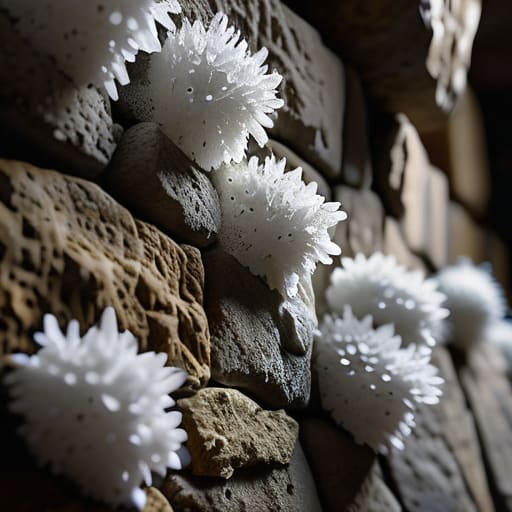
I spent most of last Tuesday in a damp cellar in Ravenna, tracing the way salt efflorescence was blooming behind a layer of modern, cement-based coating. It is a common tragedy: someone tries to “fix” a wall by sealing it, only to realize they have trapped the building’s breath inside. When we talk about moisture permeability in masonry, we aren’t just discussing physics; we are discussing the survival of the stone itself. A wall needs to move water through it, from the inside out, via capillary action. If you apply a non-porous skin, that moisture has nowhere to go but into the core of the structure, causing the very decay you were trying to prevent.
This is where the natural hydraulic lime benefits become so evident to the trained eye. Unlike the rigid, suffocating grip of Portland cement, a lime-based finish acts as a sacrificial layer. It manages the vapor pressure, allowing the masonry to “sweat” out the humidity without losing its structural integrity. I often tell my students that choosing between a heavy render or a thin lime wash is essentially deciding how much of the building’s internal struggle you are willing to let it express. If you want to succeed at preventing damp in historic buildings, you have to stop fighting the water and start giving it a path to escape.
The Quiet Grace of Breathable Wall Coatings
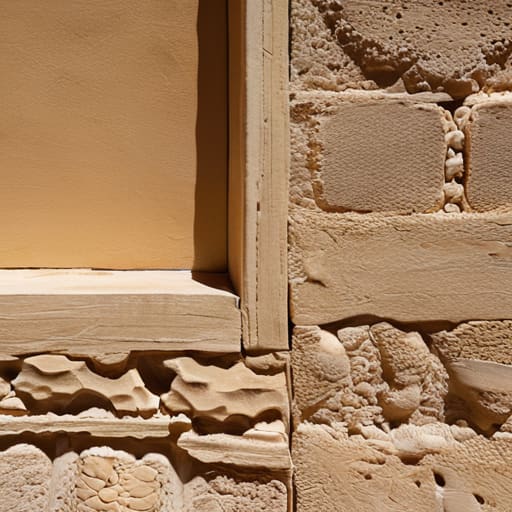
There is a specific kind of peace found in a wall that is allowed to function as a living thing. When I walk into a room in an old palazzo in Palermo, I don’t just look at the color of the walls; I look at how they feel to the air. Using traditional lime plastering techniques isn’t just about aesthetics or following a historical blueprint; it is about respecting the physics of the structure. Unlike modern cementitious coatings that act like a plastic wrap, trapping everything behind a stubborn, impermeable barrier, a lime-based surface works in harmony with the substrate. It allows the building to exhale.
I often see the damage caused by well-intentioned but misguided “modernization” projects—layers of thick, synthetic acrylics that have effectively suffocated the masonry. When you deny a wall its ability to manage moisture, the water has nowhere to go but inward, manifesting as salt efflorescence or crumbling plaster. By choosing breathable wall coatings, we aren’t just preserving a look; we are actively preventing damp in historic buildings by facilitating the natural movement of vapor. It is a subtle, quiet grace—a way of ensuring the stone remains dry, stable, and capable of standing for another few centuries.
The Living Skin
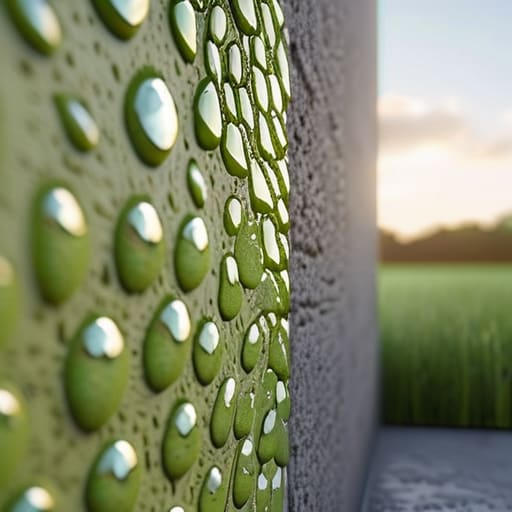
Ultimately, choosing between a modern, sealed render and a traditional lime finish isn’t just a technical decision about moisture vapor transmission or salt crystallization; it is a decision about the building’s survival. If we suffocate the masonry with impermeable layers, we aren’t protecting it—we are trapping the very decay we seek to avoid. We must respect the mechanics of breathability, ensuring that the moisture has a path to escape through the surface rather than pooling behind a plasticized film. To understand the chemistry of the mortar is to understand the longevity of the structure itself.
When I walk through a site, I don’t just look at the facade; I look for the signs of a building that is allowed to exist in equilibrium with its environment. A well-applied lime finish doesn’t just sit on the wall; it becomes part of the wall, a sacrificial layer that ages with grace and honesty. As you look at your own walls, I urge you to look closer. Don’t just see a color or a texture. Look for the way the light hits the irregularities of the hand-applied coat and remember that you are participating in a conversation with the stone that has been happening for centuries.