I was standing in a damp basement in Palermo last Tuesday, watching a contractor toss a pile of hand-fired terracotta tiles into a skip because they didn’t meet a modern, standardized dimension. It felt like a physical blow to the chest. We have become so obsessed with the clinical perfection of factory-made goods that we’ve forgotten how to read the soul of a site. People talk about the decline and reuse of materials as if it’s some lofty, theoretical sustainability metric to be solved by a spreadsheet, but they miss the point entirely. It isn’t about carbon credits; it’s about the loss of intelligence in how we handle what we already have.
I’m not here to give you a lecture on circular economy jargon or polished corporate slogans. Instead, I want to show you how to look at a pile of rubble and see a resource. I will share what I have learned from twenty years of touching the stone and testing the lime, teaching you how to identify which “waste” is actually a treasure waiting for a second life. We are going to talk about the grit, the joints, and the practical reality of keeping history alive through honest repair.
Table of Contents
Tracing the Economic Impact of Material Decline
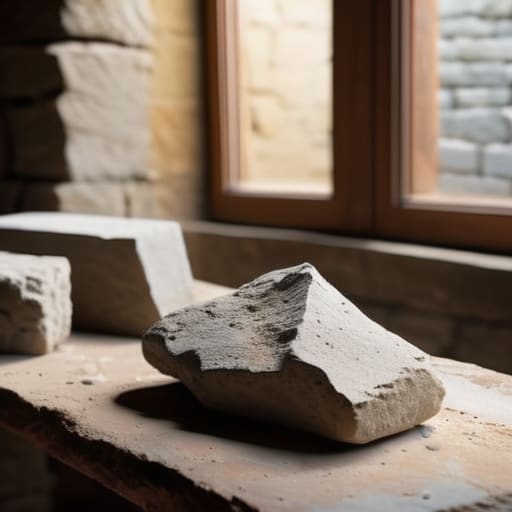
When we talk about the economic impact of material decline, we often get lost in spreadsheets and macro-trends, but I see it in the rising cost of a simple bag of lime or the sheer difficulty of sourcing a stone that matches a 19th-century facade. As virgin quarries become more expensive to operate and more distant, the market shifts. We are seeing a strange, forced return to a way of building that our ancestors understood by necessity: the historical reuse of building materials. It isn’t just about being “green”; it is about the brutal reality that high-quality, predictable raw materials are becoming a luxury.
This scarcity is driving a quiet revolution in how we value what is already standing. In my surveys, I’ve noticed that the most profitable way to manage a site is no longer through demolition and disposal, but through a more rigorous circular economy in construction. Instead of paying to haul rubble to a landfill, we are beginning to treat the debris of the old as the inventory for the new. The real cost isn’t just the price of the stone itself, but the labor required to deconstruct, clean, and re-integrate it. We are moving from an era of easy extraction to an era of careful recovery.
Resource Scarcity and Material Repurposing in a Fading World
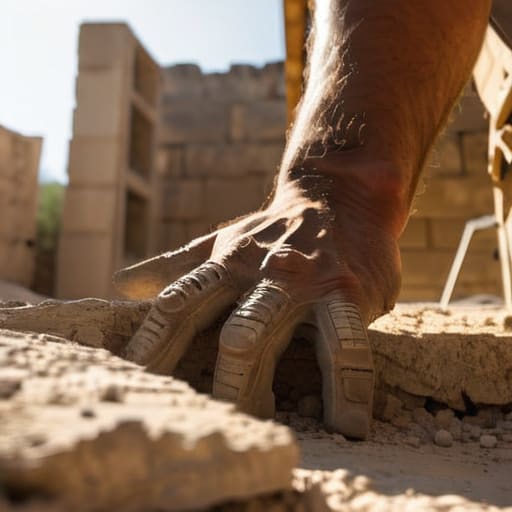
When I walk through a site in the outskirts of Palermo, I don’t just see a lack of supply; I see the tension of a world running thin. We talk about resource scarcity and material repurposing as if it were a modern, trendy concept born in a boardroom, but the reality is much more visceral. It is the sudden, quiet absence of a specific limestone or the way a contractor’s eyes dart around a demolition site, looking for something usable. We are moving away from the era of infinite extraction and into a period where the availability of raw matter dictates the very geometry of our designs.
This scarcity forces a shift in how we perceive value. Instead of seeing a ruin as an end point, we have to view it as a quarry. Looking at various architectural spolia examples throughout Italy—where Roman marble was carved down to become a medieval lintel—I am reminded that we have always been scavengers. The difference now is that we must do it with intention. We aren’t just grabbing what is left; we are trying to integrate the old into a sustainable material lifecycle that doesn’t feel like a patchwork of accidents, but a deliberate, respectful continuation of the building’s life.
The Architecture of Continuity
We have traced how the scarcity of raw stone and timber isn’t just a logistical hurdle, but a fundamental shift in how we approach the built environment. From the economic pressures that force us to look backward to the physical reality of a dwindling supply of traditional materials, the pattern is clear: we can no longer afford the luxury of the “blank slate.” The decline of easy access to virgin resources means that our future work will increasingly rely on the intelligence of the salvage. We aren’t just recycling; we are learning to navigate the complex, often difficult, dialogue between the remnants of the past and the structural requirements of the present.
Ultimately, I believe that the most beautiful thing a building can do is show its lineage. When we integrate a salvaged lintel or a reclaimed brick into a new wall, we aren’t just being efficient; we are preserving a tangible continuity of human effort. We must stop viewing “old” materials as problems to be solved and start seeing them as the precious, finite vocabulary of our craft. If we look closely enough at the scars on a reused beam or the uneven texture of salvaged mortar, we find more than just history—we find a way to build a world that respects what has already been given.