I was standing in a damp basement in Ravenna last autumn, tracing the jagged edge of a limestone block that had been forced into a corner where it clearly didn’t belong. It wasn’t a mistake of the mason’s hand, but a mistake of the ledger; you could see exactly where the tension between public procurement and building had forced a compromise. We like to pretend that architecture is a pure dialogue between light and stone, but more often than not, the real architect is a stack of bureaucratic mandates and a rigid tender process that values the lowest bid over the longest life. When a contract is written to prioritize immediate savings, the building pays the price in decades to come, hiding its scars in the very joints I spend my life documenting.
I am not here to give you a lecture on administrative law or the dry mechanics of municipal tenders. Instead, I want to show you how to read the physical consequences of those decisions. I will pull back the curtain on how paperwork translates into mortar, stone, and structural failure, offering you a way to look past the official blueprints and see the true reality of how our cities are actually being assembled.
Table of Contents
Where Government Construction Contracts Meet the Masons Hand
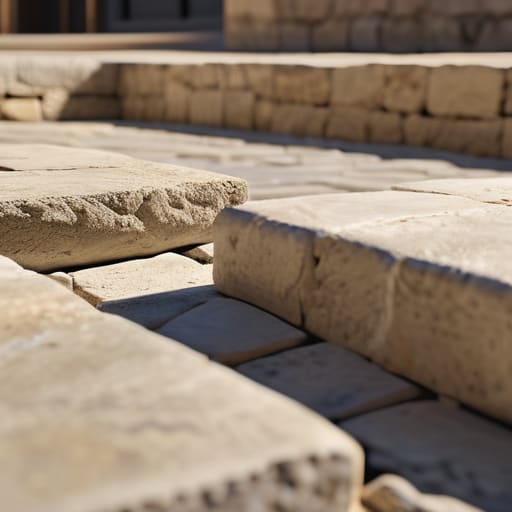
I spent yesterday afternoon in a small piazza in Umbria, tracing the seam where a new limestone cladding met an old travertine base. It was a clumsy, hurried junction—the kind of work that happens when the pressure to meet a deadline outweighs the respect for the material. This is where the abstraction of government construction contracts becomes a physical reality. On paper, a contract is a clean series of clauses and technical specifications, but on-site, those documents translate into the speed of a trowel or the quality of a stone’s finish. When the paperwork becomes too heavy, the craftsmanship often suffers.
When I look at a poorly executed joint, I don’t just see a mason’s mistake; I see the shadow of the infrastructure procurement processes that dictated the timeline. If a tender is structured around the lowest possible bid rather than long-term durability, the builder is forced into a corner. You can see it in the thin, sandy mortar that will surely fail within a decade. We often talk about mitigating construction project delays as a triumph of logistics, but we rarely discuss the cost: the silent erosion of quality that occurs when a site supervisor is more worried about a spreadsheet than the way a stone sits in its bed.
The Invisible Blueprint of the Building Procurement Lifecycle

When I walk through a site, I don’t just see the scaffolding; I see the ghost of the building procurement lifecycle manifesting in the quality of the materials being unloaded. Most people think the life of a building begins with the first shovel in the dirt, but the real DNA is encoded much earlier, in the sterile environment of a municipal office. The way a project is scoped—how the technical specifications are written long before a single stone is quarried—dictates whether a mason will eventually use a high-quality lime mortar or a cheap, fast-setting cement that will crack within a decade.
The procurement process is essentially a set of invisible instructions that travel through time. When we look at public sector tender management, we aren’t just looking at spreadsheets; we are looking at the future structural integrity of our streets. A tender that prioritizes the lowest possible bid often inadvertently sacrifices the longevity of the craftsmanship. You can see the consequences of these decisions years later in the way a joint fails or a stone weathers prematurely. It is a strange, heavy realization: a bureaucrat’s choice in a boardroom today becomes the structural vulnerability of a monument tomorrow.
The Trace Left Behind
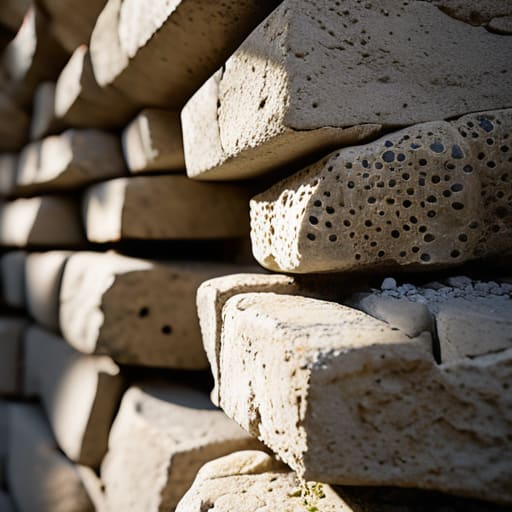
Ultimately, what we have discussed is not merely a matter of administrative compliance or the dry mechanics of a tender process. We have seen how the lifecycle of a contract—from the first bureaucratic ink stroke to the final inspection—dictates the very physicality of the structure. When we look at a municipal wall, we aren’t just seeing stone and lime; we are seeing the direct consequence of procurement decisions. A poorly drafted specification or a rushed bidding cycle often manifests as a compromised joint or a substandard mortar mix, leaving a permanent, physical record of a decision made in a sterile office hundreds of miles away.
As I walk through the sites I survey, I am reminded that every building is a living document of human intent and systemic constraint. We must stop viewing procurement as a separate, distant entity from the craft of construction. Instead, we should recognize that the contract is the first tool used by the builder, even before the chisel touches the marble. If we want our cities to stand with dignity for centuries, we must ensure that our administrative foundations are as robust and intentional as the masonry they command. Only then will the stories etched into our stone be ones of enduring quality rather than quiet compromise.