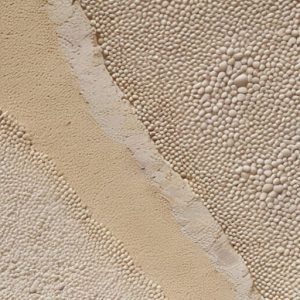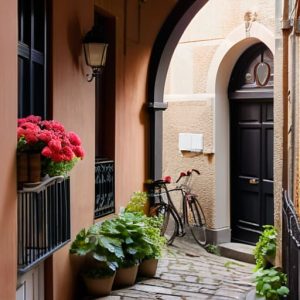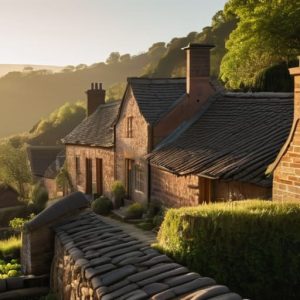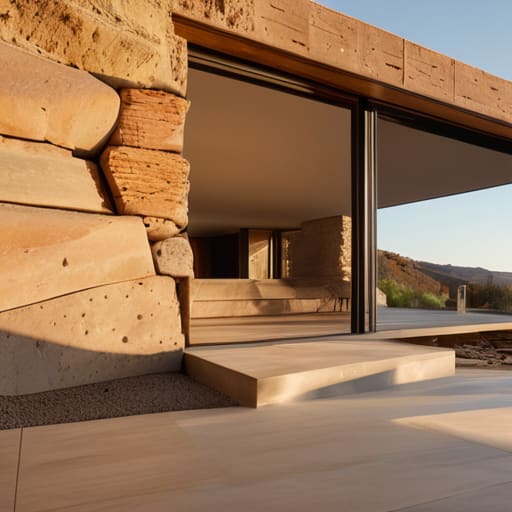
Last Tuesday, I found myself kneeling in the dust of a crumbling courtyard near Syracuse, tracing the jagged edge of a limestone block that had been quarried less than five kilometers from where I sat. There is a specific, gritty honesty in the way that stone meets the sun—a texture you simply cannot replicate with a catalog-ordered slab shipped from halfway across the globe. People often talk about local materials and identity as if it were some lofty, abstract concept for architectural journals, but to me, it has always been much more visceral than that. It is found in the way a specific volcanic tuff breathes differently than a marble, and how the very dust on your hands tells you exactly where the building belongs.
I am not here to sell you on the romanticized, expensive myth of “authentic living.” Instead, I want to show you how to actually read a structure to understand its bones. We are going to look past the polished facades and focus on the stubborn reality of the earth: the specific mortars, the regional timber grains, and the way a landscape dictates its own construction. I promise to skip the architectural jargon and give you the unfiltered truth about why using what is already under your feet is the only way to build something that truly lasts.
Table of Contents
The Silent Language of Local Stone
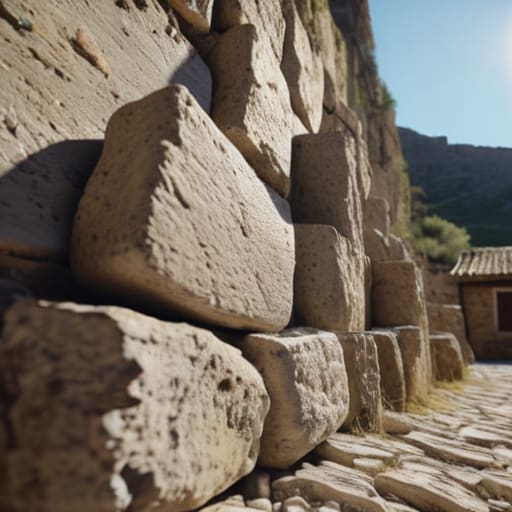
When I walk through a village in the Madonie mountains, I don’t see “scenery”; I see a geological map rendered in three dimensions. There is a specific, heavy grit to the limestone there that you simply won’t find in the softer, honey-colored calcarenite of the Sicilian coast. This isn’t just a matter of aesthetics; it is a profound geological connection to architecture. The stone dictates the tool, the weight of the block, and ultimately, the very silhouette of the skyline. You can tell exactly how far a mason was willing to haul his materials just by looking at the grain of the masonry.
To understand a building, you have to stop looking at the facade and start looking at the relationship between the stone and the soil it came from. In many of the hilltop towns I’ve surveyed, the walls feel like an extension of the cliffside itself. This is the essence of vernacular architecture and cultural heritage—it is a conversation between the earth and the hand of the builder. When a mason selects a specific vein of marble or a particular type of tuff, he isn’t just choosing a color; he is making a decision that will bind that structure to its landscape for centuries.
How Bedrock Dictates the Skyline
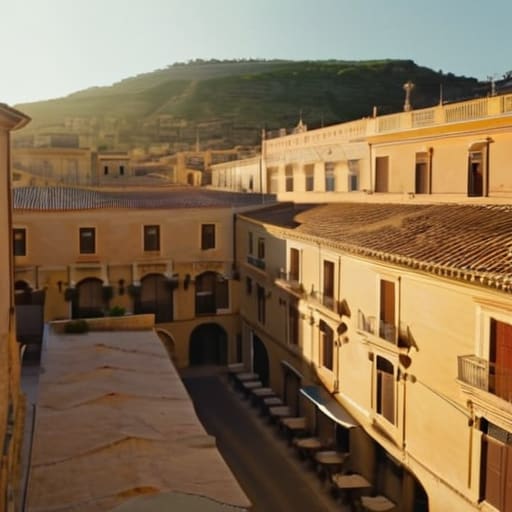
If you stand in the center of a town in the Val di Noto, the skyline doesn’t just rise; it seems to emerge directly from the earth. There is a profound geological connection to architecture here that you won’t find in the glass-and-steel grids of Milan. The honey-colored limestone dictates the height of the cornices and the steepness of the rooftops; the very weight of the stone determines how much a wall can lean before it surrenders to gravity. You cannot escape the reality that the ground beneath your feet is the architect of the horizon.
When I survey a village, I look for the way the buildings mimic the strata of the hills. This isn’t a stylistic choice made by a designer in a studio; it is the result of vernacular architecture and cultural heritage working in tandem. In the north, the heavy, dark granites demand thick, defensive walls and small apertures to hold the heat. In the south, the porous tufa allows for a lightness, a way to breathe with the Mediterranean sun. To build with what is available is not just a matter of convenience—it is a way of ensuring that the human footprint remains deeply rooted in its specific landscape.
The Memory in the Material
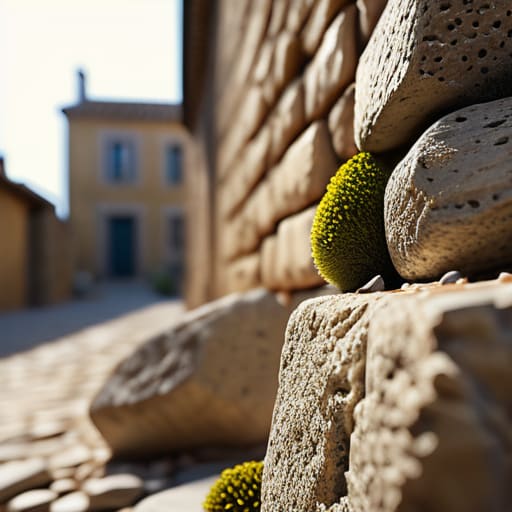
When we step back from the grand facades and look instead at the way a limestone block meets its neighbor, or how a specific type of volcanic tuff has weathered a century of salt air, the pattern becomes clear. The architecture isn’t just sitting on the landscape; it is an extension of it. Whether it is the heavy, sun-baked masonry of a Sicilian farmhouse or the delicate, river-worn stone of a Venetian palazzo, these materials are the physical manifestation of geological necessity. We have seen how the local quarry dictates the color of a town’s streets and how the availability of specific timber shapes the very pitch of its roofs. To ignore these connections is to strip a building of its context, leaving it as nothing more than a hollow shell without a true sense of place.
As I sit here sketching the uneven joint of a medieval arch, I am reminded that our modern obsession with speed and standardization often asks us to forget this vital dialogue. We can ship marble halfway across the globe, but we can never ship the soul of the earth that grew it. My hope is that when you walk through an old city, you stop looking at the silhouettes and start looking at the texture of the walls. Look for the tool marks, the variations in the mortar, and the way the light catches the grit. If you do, you will realize that a building isn’t just a finished object; it is a living conversation between the hands of the builder and the bones of the land.