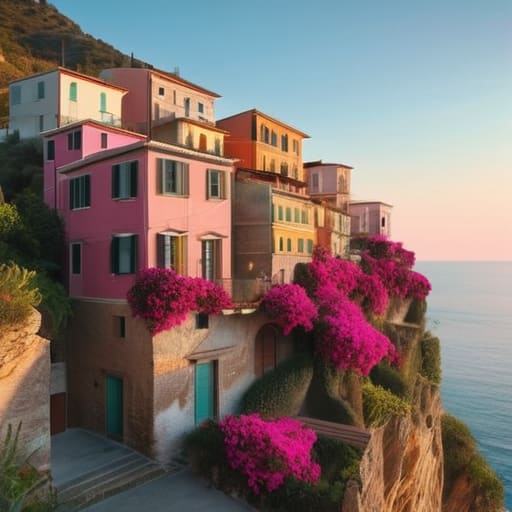
I was standing in a narrow carruggio in Camogli last Tuesday, squinting against the salt spray, when I saw it: a “restored” villa where the owner had replaced traditional lime-based pointing with a modern, grey cement grout. It was an architectural crime. People talk about the aesthetic charm of ligurian coastal building as if it’s just a matter of colorful facades and pretty views, but they completely ignore the structural logic required to survive this humidity. When you slap rigid, impermeable materials onto stone that needs to breathe, you aren’t preserving a heritage; you are effectively suffocating the building from the inside out.
I have no interest in discussing the romanticism of the Italian Riviera or which terrace has the best sunset view. Instead, I want to show you how these structures actually hold themselves together against the Mediterranean wind. I am going to walk you through the reality of the stone, the specific grit of the local mortars, and the clever, desperate ways builders have used local materials to fight erosion for centuries. If you want to understand the bones of the coast, you have to look past the paint.
Table of Contents
Tracing the Hand of Mediterranean Seaside Construction
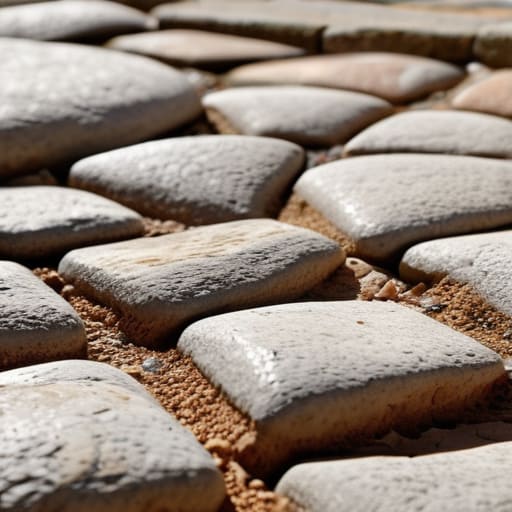
When you stand in a narrow carruggio in Camogli or Vernazza, your eyes naturally drift upward toward the traditional pastel facades that seem to defy gravity. But I find myself looking lower, at the interface where the masonry meets the salt-sprayed earth. Mediterranean seaside construction isn’t just about aesthetics; it is a constant, grinding negotiation with the elements. I often find myself tracing the uneven lines of local sandstone, noting how the builders had to adapt their courses to the sheer, vertical reality of the cliffs. You can see where they struggled—a slightly wider mortar joint here, a hasty patch of lime wash there—to compensate for the irregular, hand-hewn nature of the Liguria regional building materials.
It is in these small imperfections that the true character of the coast emerges. Unlike the polished, planned elegance of a Roman villa, these structures feel fought into existence. I recently spent an afternoon photographing the tool marks on a retaining wall near Portofino, fascinated by how the stone had been dressed to withstand the relentless humidity. The way these houses are stacked, almost leaning on one another for structural support, reveals a profound understanding of weight and wind. It isn’t just about shelter; it is about a centuries-old dialogue between the stone and the sea.
Where Liguria Regional Building Materials Meet the Salt
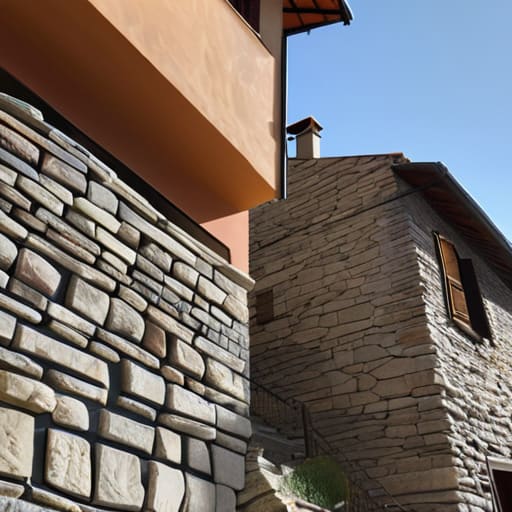
When I walk through the narrow caruggi of Camogli or Vernazza, I don’t see the postcard colors first; I see the struggle between the geology of the Apennines and the chemistry of the sea. The local stone—often a hard, grey sandstone or schist—wasn’t chosen for its beauty, but because it was what the mountains offered. You can see the weight of the Liguria regional building materials in the way the lower courses of these houses are thick and unyielding, acting as a heavy anchor against the updrafts and the spray.
The real drama, however, happens at the surface. The famous traditional pastel facades that tourists flock to photograph are more than just a stylistic choice; they are a functional skin. I’ve spent hours examining how the lime-based washes interact with the salt air. Over time, the salt migrates through the masonry, pushing against the pigment, causing that beautiful, irregular flaking that gives these villages their character. It isn’t decay; it is a constant, slow-motion dialogue between the mineral composition of the wall and the saline atmosphere. To understand these buildings, you have to look past the color and see how the lime is actually breathing, fighting to keep the moisture from reaching the structural core of the stone.
The Silent Dialogue of Stone and Sea
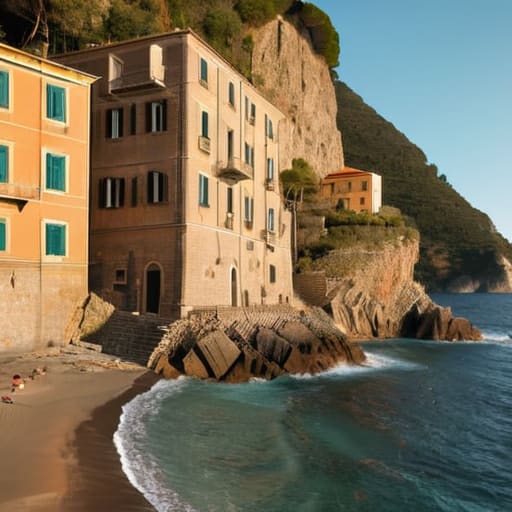
When we look back at what we have traced through these narrow, salt-crusted streets, it becomes clear that Ligurian coastal architecture is not a singular style, but a constant negotiation with a hostile environment. It is a record of how local limestone was hauled up impossible inclines and how lime mortars were painstakingly mixed to withstand the relentless spray of the Tyrrhenian. From the heavy, protective thickness of the lower masonry to the clever, narrow apertures designed to keep the wind at bay, every choice was a calculated response to the landscape. We aren’t just looking at houses; we are looking at the physical evidence of survival etched into every joint and weathered surface.
Next time you find yourself walking through a coastal village, I ask you to stop looking at the picturesque facades that tourists love so much. Instead, lean in closer. Look for the unevenness in the stone, the way a particular tool mark reveals a mason’s fatigue, or how the salt has eaten into a specific type of mortar. These are not defects; they are the true biography of the building. If we continue to value the way these structures were actually put together, we might finally learn to respect the profound intelligence held within their scarred and beautiful bones.