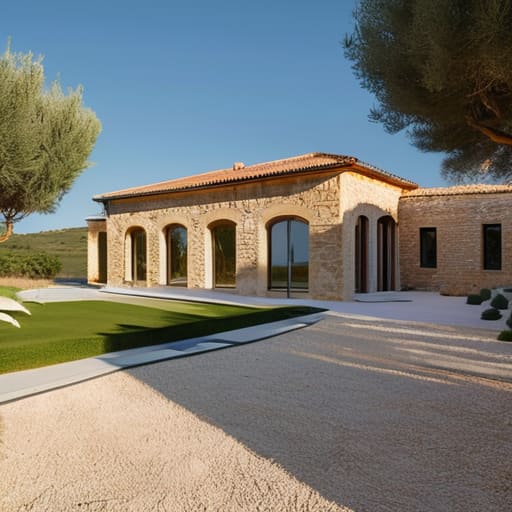
I was standing in a sun-bleached courtyard near Syracuse last July, watching a contractor try to explain how a layer of high-tech, synthetic thermal insulation was the “future” of eco-friendly design. It felt like a lie. We’ve become so obsessed with expensive, imported gadgets that we’ve forgotten that true sustainable building in italy isn’t found in a shiny catalog of polymer foams; it’s found in the way a thick tuff wall holds the cool of the night or how a specific lime mix allows a structure to breathe with the humidity of the coast. We are trying to solve problems with complexity when our ancestors solved them with observation.
I’m not here to sell you on the latest green-washed marketing buzzwords or overpriced smart-home sensors that will be obsolete in five years. Instead, I want to pull back the curtain on what actually works when you respect the local context. I will show you how to look at the materiality of the landscape—from the thermal mass of ancient masonry to the regenerative potential of traditional mortars—to build structures that don’t just meet a checklist, but actually endure.
Table of Contents
Tracing Low Carbon Footprint Construction Italy
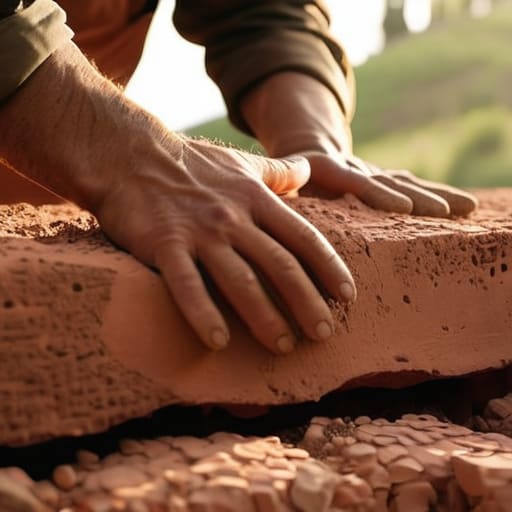
When I walk through a construction site in the outskirts of Lucca or a renovation project in the hills of Umbria, I don’t look for the glossy brochures. I look at the weight of the materials. To achieve true low carbon footprint construction in Italy, we have to stop thinking about what we can import and start looking at what is already beneath our feet. There is a profound, quiet intelligence in using local volcanic tuff or reclaimed terracotta; these aren’t just aesthetic choices, they are decisions that respect the thermal inertia of our climate.
I often find myself tracing the grain of locally sourced timber or the uneven texture of hemp-lime plasters. These Italian eco-friendly construction materials do more than just meet the rigid requirements of EU energy efficiency standards for Italy; they behave like living organisms. Unlike the suffocating synthetic membranes used in some modern builds, these traditional, breathable compositions allow moisture to migrate, preventing the very dampness that destroys so many of our historic structures. If we want to move forward, we must stop trying to fight our environment with heavy machinery and chemical sealants, and instead start listening to the thermal logic that our ancestors mastered centuries ago.
The Wisdom of Italian Eco Friendly Construction Materials
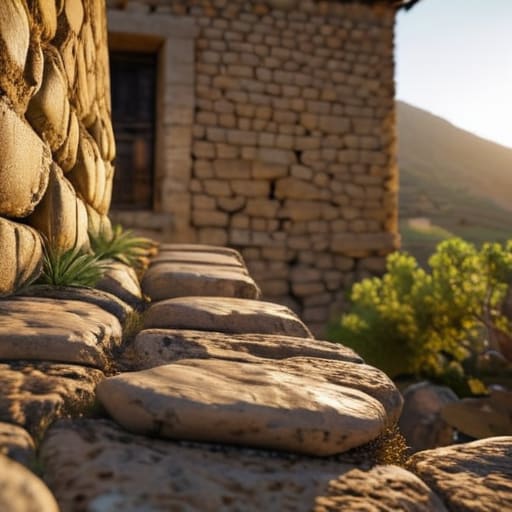
When I walk through a village in the Madonie mountains, I don’t see “green technology”; I see a profound, inherited logic. Long before we had the luxury of complex software to calculate thermal bridges, our ancestors understood the thermal mass of local stone and the breathability of lime. These Italian eco-friendly construction materials weren’t chosen because they were trendy, but because they were honest. A thick wall of volcanic tuff or local limestone doesn’t just stand there; it regulates temperature through sheer physical presence, a passive dance with the sun that modern HVAC systems struggle to replicate.
Today, as we attempt to meet increasingly strict EU energy efficiency standards for Italy, the temptation is to slap high-tech synthetic membranes over everything. But that is a mistake. True sustainability lies in the marriage of old wisdom and new science. I often find that the most effective way of renovating historic buildings sustainably is to return to the original materials—using hemp-lime plasters or cork insulations that allow the masonry to “breathe” as it was intended. If we seal a centuries-old stone wall with modern plastics, we aren’t saving it; we are suffocating it. We must learn to build with the grain of the landscape, not against it.
The Continuity of the Craft
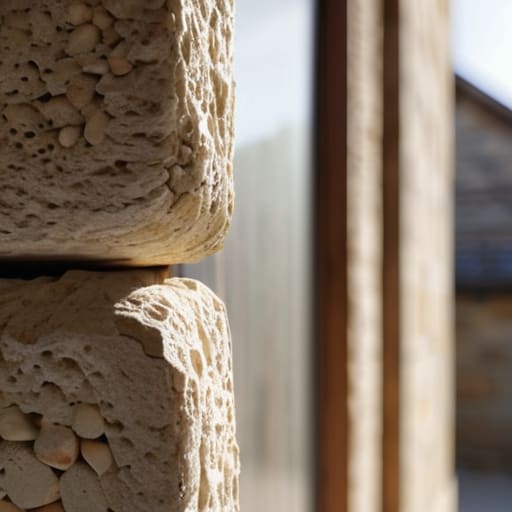
We have looked at how the path to sustainability in Italy isn’t a new invention, but rather a rediscovery of what our ancestors understood intuitively. From the low-carbon footprint of reclaimed timber and stone to the breathable, non-toxic chemistry of traditional lime mortars, the pieces of the puzzle are already laid out before us. It is not enough to simply slap a solar panel on a facade and call it green; true efficiency lies in the material compatibility and the thermal mass of the walls themselves. When we respect the way a building manages moisture and heat through its very composition, we aren’t just following modern regulations—we are honoring a technological lineage that has survived centuries of climate shifts.
As I walk through a site today, I find myself looking for that same marriage of logic and landscape that I saw in the ruins of the Roman provinces. Sustainability, in its truest sense, is a form of architectural memory. It is the decision to build something that does not fight its environment, but settles into it, aging gracefully rather than decaying prematurely. If we want to build for the next century, we must stop viewing “green” as a modern add-on and start seeing it as the fundamental integrity of the structure. After all, the most sustainable building is the one that doesn’t need to be replaced because it was built to belong.