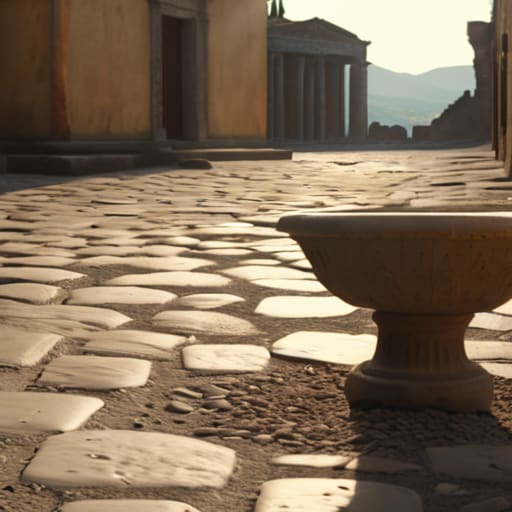
I was kneeling in the dust of a small thermopolium last summer, my fingers tracing the edge of a chipped marble counter, when I realized how much we get wrong about these ruins. Most tourists walk through the gates looking for grand tragedies or cinematic spectacles, but they miss the actual heartbeat of the city. They want the myth, while I want the truth hidden in the lime and the ash. To truly understand pompeii and preserved daily life, you have to stop looking at the statues and start looking at the cracks in the floorboards and the way the bread ovens were actually constructed to withstand heat.
I’m not here to sell you on a romanticized version of the past or a list of “must-see” monuments that feel more like museums than homes. Instead, I want to show you how to read the physical evidence left behind by people who were just trying to get through their Tuesday. We are going to look at the structural choices—the mortar, the tool marks, and the domestic layout—that tell us exactly how these people lived, breathed, and built their world.
Table of Contents
Roman Domestic Life Artifacts Left in the Dust
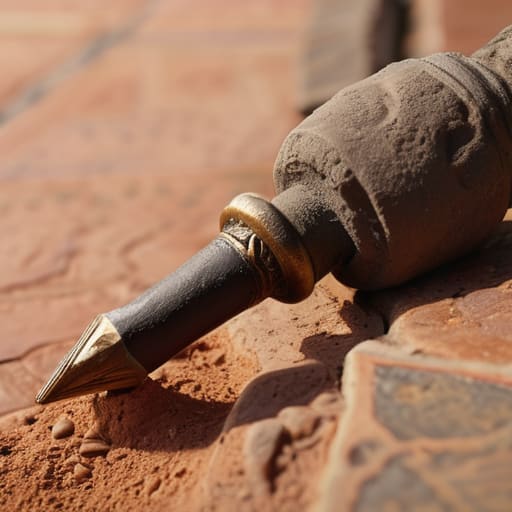
I spent an hour yesterday looking at a small, bronze stylus found near a domestic threshold, and it struck me how much more honest these objects are than any marble statue. While the grand forums tell us about politics, the Roman domestic life artifacts scattered in the ash tell us about the friction of existence. I often find myself tracing the wear on a simple terracotta oil lamp or the way a kitchen utensil has been slightly deformed by the weight of the debris. These aren’t just “finds”; they are the physical residue of a Tuesday afternoon that was interrupted mid-sentence.
When we examine the archaeological excavation findings in the smaller service quarters, the narrative shifts from the monumental to the tactile. You see the heavy, coarse grain of bread in a ceramic jar or the precise, utilitarian layout of a tool kit. It is in these granular details—the chipped rim of a cup or a discarded bone needle—that we truly grasp the ancient Roman social structures. We see the hierarchy not through decrees, but through the quality of the ceramics used by a slave versus a master. The ash didn’t just preserve a city; it froze the very mechanics of how a household functioned, right down to the smallest, most mundane tool.
Tracing Ancient Roman Social Structures Through Thresholds
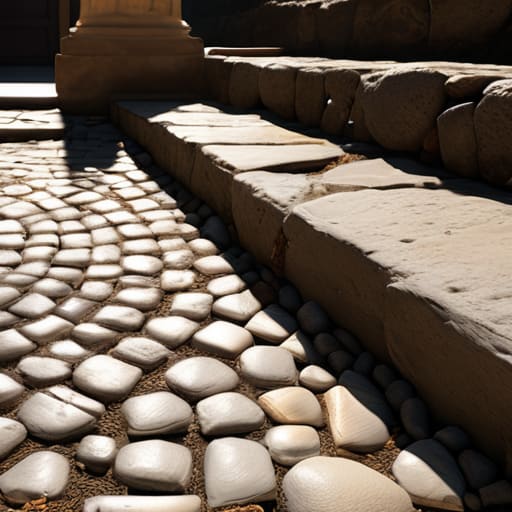
I often find myself kneeling at the entrance of a domus, not to admire the frescoes, but to study the threshold itself. In Pompeii, the transition from the street to the interior is a physical map of ancient Roman social structures. You can see it in the height of the step and the width of the doorway. A wide, welcoming entrance suggests a house designed for public reception—a place where clients would gather to seek favors from a patron. Conversely, the narrow, tucked-away thresholds of the smaller service quarters tell a different story, one of restricted movement and strict hierarchy.
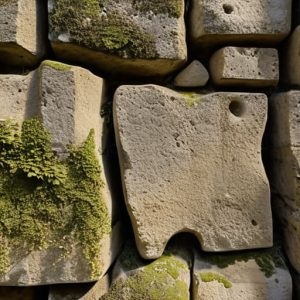
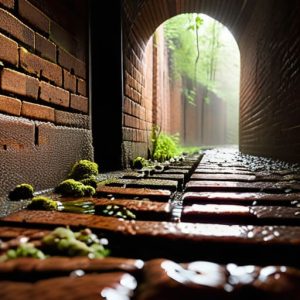
As I trace the wear patterns on the paving stones, I see the ghost of Roman street life and commerce etched into the very rock. The way the basalt blocks are smoothed down in specific patterns reveals where heavy carts frequently halted or where crowds tended to cluster near a shopfront. It isn’t just about the objects left behind; it is about the way the architecture forced people into certain roles. When you look at the way a doorway is framed, you aren’t just looking at stone and mortar—you are looking at the invisible boundaries that dictated exactly who was allowed to cross from the public chaos into the private sanctuary of the home.
The Silent Testimony of the Stone
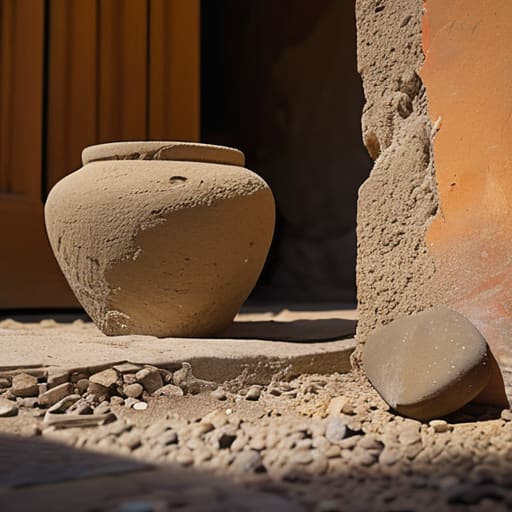
We often walk through these sites looking for the grand, the monumental, and the cinematic, yet the true essence of Pompeii isn’t found in the scale of its amphitheaters, but in the minute details of its survival. From the specific way a household threshold was worn down by centuries of sandals to the way domestic tools were tucked into corners just before the ash fell, every fragment tells a story of intention. By studying these artifacts and the very thresholds that divided public and private life, we move past mere archaeology and into a tangible conversation with the past. We aren’t just looking at ruins; we are reading the physical evidence of how a society structured its very existence.
As I pack my camera and my calipers at the end of a long day in the field, I am always struck by the same realization: the stones do not lie. They hold the memory of the mason’s chisel and the resident’s daily rhythm in a way that no textbook ever could. I hope that when you next stand before a fragment of ancient masonry, you don’t just see a broken relic, but rather listen to the architecture. If you look closely enough at the joints and the dust, you will find that the people of Pompeii are not truly gone—they are simply waiting to be read in the very fabric of the walls they left behind.