I was standing in a damp basement in Ravenna last Tuesday, watching a contractor try to force a modern, Portland cement-based grout into a sixteenth-century masonry gap. It was painful to watch. There is this pervasive, expensive myth in our field that “better” means “stronger” or “more permanent,” as if we can outmuscle time with sheer chemical density. But when you perform an intervention in historic fabric using materials that are too rigid, you aren’t saving the wall; you are essentially strangling it. You’re creating a stress point that will inevitably cause the original stone to crack when the building breathes the way it was designed to.
I’m not here to give you a lecture on theoretical preservation or to sell you on high-tech, overpriced resins that look nothing like the original lime. Instead, I want to talk about the quiet logic of the material. I will share what I have learned from twenty years of seeing how different mortars behave under pressure and how to respect the original builder’s intent. My goal is to help you understand how to make decisions that allow a building to continue its long, silent conversation with the landscape, rather than forcing it into a modern silence.
Table of Contents
Reading the Scars of Adaptive Reuse of Heritage Buildings
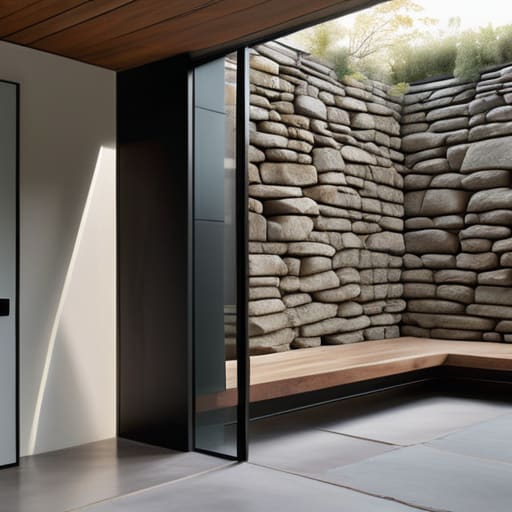
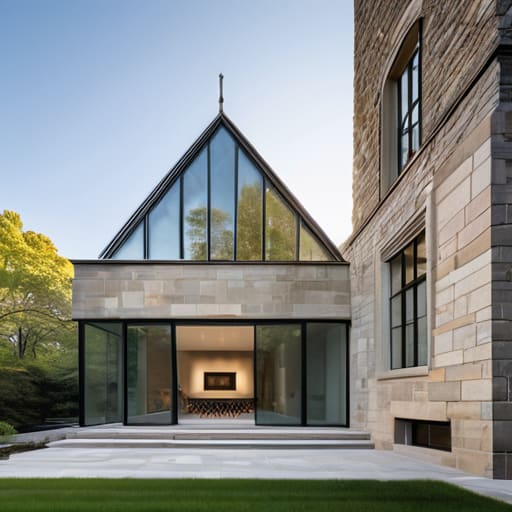
I often find myself tracing the edges where a 14th-century stone wall meets a sleek, minimalist glass partition. To the casual tourist, it is simply a modern aesthetic choice, but to me, it is a violent and beautiful collision. When we engage in the adaptive reuse of heritage buildings, we aren’t just changing a function from a granary to a gallery; we are layering new intentions over old ones. I look for the “scars”—the places where a doorway was widened to accommodate a modern staircase, or where a floor slab was notched to hide electrical conduits. These marks are the physical evidence of a building struggling to stay relevant in a world its original builders never imagined.
The real tension lies in how we manage these contemporary additions to historic structures. I have spent many afternoons in Sicilian palazzos staring at the junction where a steel beam has been anchored into ancient tuff. You have to ask: is this addition a respectful guest, or is it an intruder? If we follow the core tenets of reversibility in architectural intervention, we ensure that our modern hand can be lifted away in a century without having gutted the soul of the masonry. A successful reuse doesn’t hide the transition; it makes the dialogue between the old stone and the new steel legible, even if that dialogue is a bit bruised.
Where New Steel Meets Ancient Stone
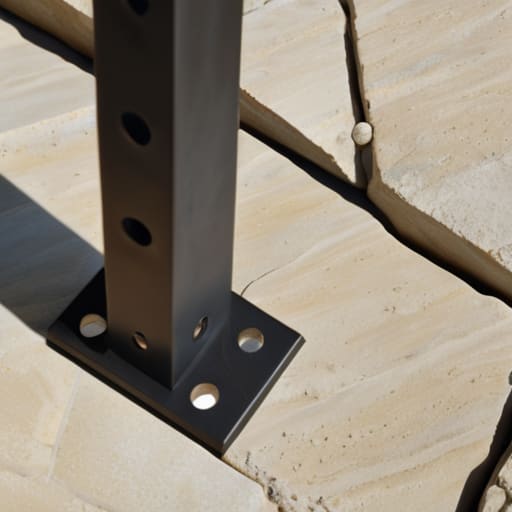
I remember standing in a courtyard in Syracuse last autumn, watching a contractor attempt to anchor a sleek, blackened steel staircase into a limestone pier that had seen three centuries of salt air. There is a specific, visceral tension that occurs when you introduce a rigid, industrial material into a masonry system that has spent hundreds of years breathing and shifting. If the engineer ignores the subtle elasticity of the old lime mortar, the steel won’t just sit there; it will act like a wedge, slowly fracturing the very stone it was meant to complement.
This is where the theory of material compatibility in restoration stops being a textbook concept and becomes a physical necessity. You cannot simply force a modern geometry onto an ancient shell without a deep respect for how they move together. When I look at successful contemporary additions to historic structures, I don’t look for how well they blend in—I look for how they respect the original’s rhythm. The goal isn’t to hide the new, but to ensure that the connection point is honest. We must prioritize reversibility in architectural intervention; if a future architect, fifty years from now, decides this steel is a mistake, they should be able to remove it without having permanently scarred the stone’s soul.
The Weight of Our Decisions
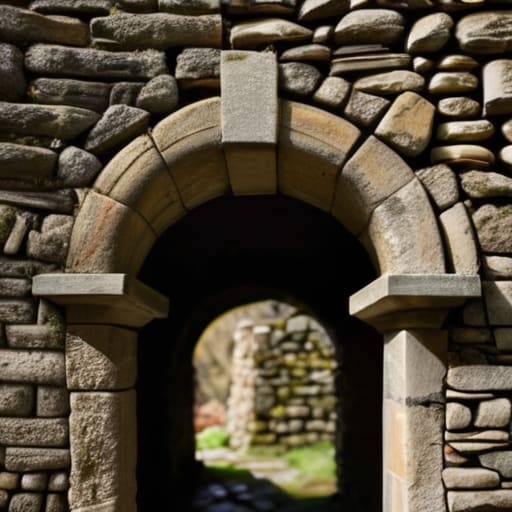
We have spent this time looking at the friction between the old and the new—from the scars left by previous generations attempting to repurpose a space, to the delicate, often tense marriage of modern steel and ancient masonry. Whether we are analyzing a reused archway or calculating the load-bearing capacity of a Roman foundation, the lesson remains the same: every intervention is a dialogue. We cannot simply overlay our contemporary needs onto a structure without acknowledging the physical logic that holds it together. To ignore the existing joints, the specific grit of the lime mortar, or the way the stone has settled over centuries is to commit an act of architectural deafness. We must learn to read these layers, not as obstacles, but as essential blueprints of survival.
Ultimately, conservation is not about freezing a building in a single, pristine moment of its history; it is about managing its evolution. When I stand before a wall that has been patched, reinforced, and reimagined over a thousand years, I don’t see a mess of contradictions. I see a continuous, living narrative. Our job as practitioners is to ensure that our own additions—our steel, our glass, our concrete—do not shout over the original voice, but rather contribute a meaningful verse to the song. We are merely the latest authors in a very long book, and we must write our chapters with the utmost respect for the silent architects who came before us.