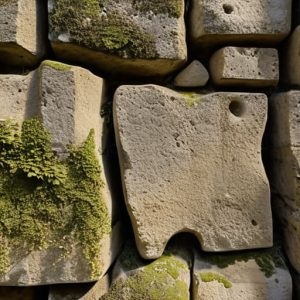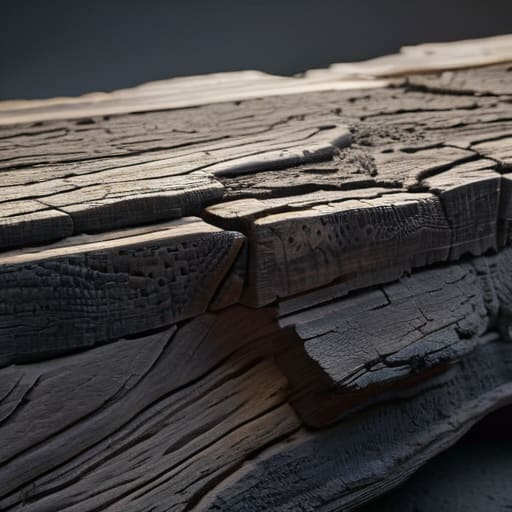
I was crouched in a narrow service corridor near the ancient waterfront, the smell of damp tuff and centuries-old dust thick in my throat, when I saw it: a modern patch of cement aggressively forced into a gap where Roman lime mortar should have been breathing. It was a heartbreaking sight. People often talk about the grand scale of archaeological management, but when we discuss herculaneum and different preservation techniques, we frequently lose sight of the microscopic truth. We get so obsessed with the “big picture” of tourism and site stability that we forget a building is a living organism of joints and chemical bonds, not just a backdrop for a photograph.
I’m not here to give you a lecture on high-level administrative policy or the sanitized versions you find in glossy guidebooks. Instead, I want to look at the actual scars left by various interventions over the decades. We are going to peel back the layers to see how different approaches—from the early, heavy-handed consolidations to the more nuanced, modern restorative philosophies—have either respected or betrayed the original masonry. I promise to show you how to read these stones, so you can see the difference between a repair that heals and one that merely masks.
Table of Contents
The Violent Alchemy of the Volcanic Ash Preservation Process
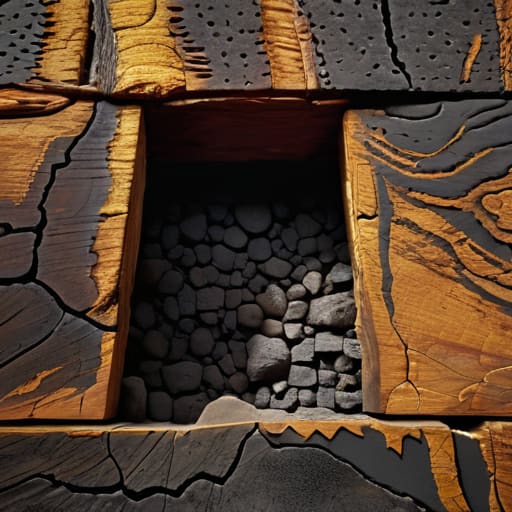
To understand the state of the site today, you have to stop thinking about ash as a simple blanket of dust. It wasn’t a slow burial; it was a high-energy, thermal event. When the Herculaneum pyroclastic flow effects took hold, the temperature spiked so rapidly that it bypassed the usual decay cycles we see in other Roman sites. Instead of the organic matter rotting away in the damp earth, the intense heat triggered a sudden carbonization of organic materials. I often find myself tracing the edges of a charred beam or a blackened door frame, realizing that what we are looking at isn’t just wood, but a structural ghost frozen in time by a freak of physics.
This is where the volcanic ash preservation process becomes something of a violent alchemy. The ash didn’t just cover the city; it pressurized it, sealing the voids and creating an anaerobic environment that defied the usual laws of decomposition. While I usually spend my days worrying about how modern lime mortar reacts to salt, here, the real marvel is how the ash acted as a perfect, suffocating seal. It is a strange, heavy kind of preservation—one that saved the very texture of a life lived, even if it had to destroy the biological essence of the objects to do it.
How the Vesuvius Eruption Archaeological Impact Rewrote History
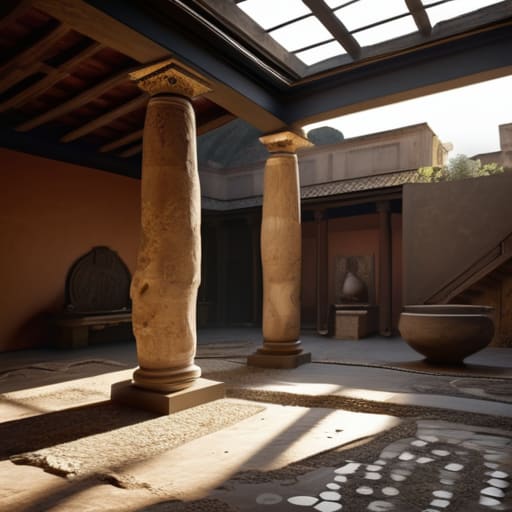
When I look at the site today, I don’t just see ruins; I see a sudden, violent freezing of time. Unlike Pompeii, where the ash falls were more granular and often left things scattered, the Herculaneum pyroclastic flow effects were far more transformative. The heat was so intense and the material so dense that it didn’t just bury the city—it sealed it. This wasn’t a slow burial; it was a high-speed structural transformation that fundamentally changed our understanding of Roman domestic life.
The real miracle, however, lies in the carbonization of organic materials. In most archaeological sites, wood is a ghost—something we infer from post-holes or shadows in the soil. But here, the intense heat and lack of oxygen turned timber into charcoal before it could rot. I often find myself tracing the grain of a charred doorframe or a kitchen stool, marveling at how the preservation of ancient wooden structures allows us to see the exact joinery used by a carpenter two millennia ago. It’s one thing to study a stone column; it is quite another to see the actual wood that once supported the roof, preserved by the very catastrophe that destroyed the city.
The Weight of the Stone and the Duty of the Eye
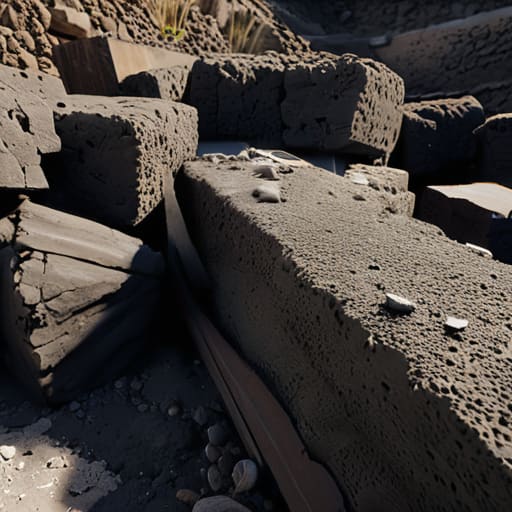
Looking back at the layers we have peeled away, it becomes clear that Herculaneum is not a static museum, but a living dialogue between destruction and recovery. We have seen how the unique chemistry of the volcanic ash acted as both a tomb and a preservative, and how our modern attempts to stabilize these structures often feel like a delicate negotiation with the past. Whether we are dealing with the carbonized organic remains or the crumbling tuff walls, the core challenge remains the same: we are trying to stabilize a moment in time that was never meant to be frozen. Preservation here is never just about chemical additives or structural bracing; it is about respecting the original intent of the builders while acknowledging the violent transformation imposed by Vesuvius.
Ultimately, my work—and the work of everyone standing in these dusty streets—is to ensure that the story doesn’t end with the stone itself. When I find myself tracing a weathered joint or photographing a tool mark on a foundation block, I am reminded that these ruins are more than just archaeological data points. They are the physical fingerprints of people who lived, built, and breathed. Our duty is to look past the grand vistas and the tourist-friendly facades to find the truth in the mortar and the masonry. If we do our jobs well, we aren’t just saving ruins; we are keeping the conversation alive between the hands that laid the stone and the eyes that look upon it today.