I was kneeling in the dust of a crumbling palazzo in Palermo last autumn, my fingers tracing a series of jagged, hurried repairs in the limestone, when it hit me how much we misinterpret the concept of authority. Most people think the relationship between architecture and political power is found in the grand, sweeping marble facades or the soaring heights of a dome. They are looking at the costume, not the body. To me, the real politics isn’t in the aesthetic grandeur; it is in the intentionality of the materials—the way a regime chooses to spend its coin on imported granite versus local tuff, or how they force a specific masonry style upon a conquered province to signal their permanence.
I am not here to give you a lecture on the socio-political theories of the Renaissance or some dry, academic treatise. Instead, I want to show you how to read the stone itself. We are going to look past the polished surfaces and examine the joints, the mortar compositions, and the physical decisions left behind by those who held the purse strings. I promise to show you how the very bones of a building reveal the true, unvarnished nature of the power they were built to serve.
Table of Contents
Monumental Architecture and State Authority
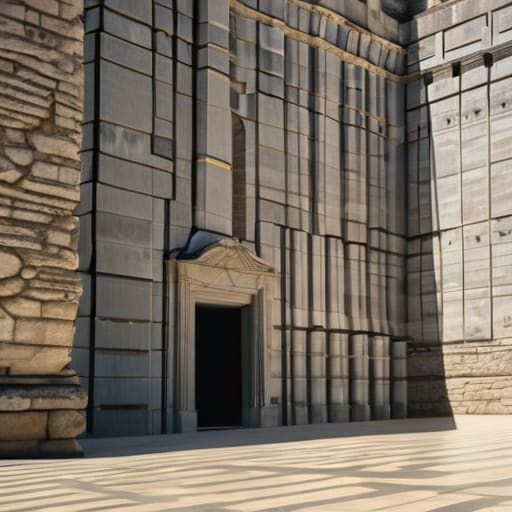
When I stand before the heavy, rusticated masonry of a central government palace, I don’t just see a facade; I see a calculated imposition. There is a specific way these massive blocks are dressed—sharp, intimidating edges that refuse to yield to the eye—that speaks directly to the concept of monumental architecture and state authority. It isn’t enough for a building to be large; it must be heavy in a way that suggests permanence, as if the regime itself were carved from the very bedrock of the peninsula. I often find myself tracing the deep, shadowed joints where the stone meets, noting how the sheer scale is designed to make the individual feel transient, a mere flicker against the stillness of the granite.
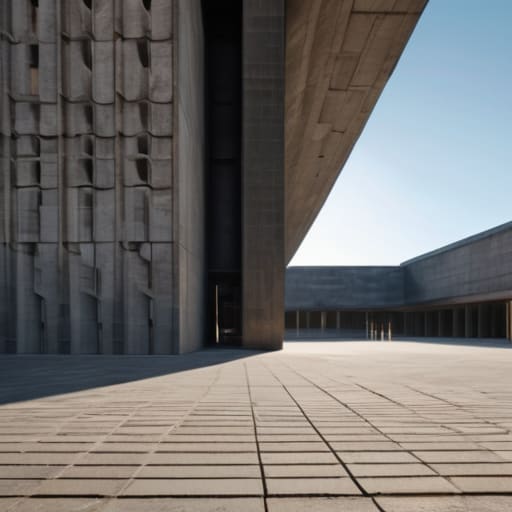
This isn’t accidental. We see it in the way the plazas are cleared and the streets are straightened, turning urban planning into a tool for social control. By dictating the flow of movement through a city, the state governs the body before the mind even realizes it is being led. I remember surveying a mid-century administrative complex where the vast, empty expanses of the forecourt served no practical purpose other than to strip the pedestrian of their privacy. In those wide, echoing spaces, the psychology of grand scale design becomes a silent, omnipresent force, reminding every citizen exactly where they stand in the hierarchy of the state.
The Psychology of Grand Scale Design
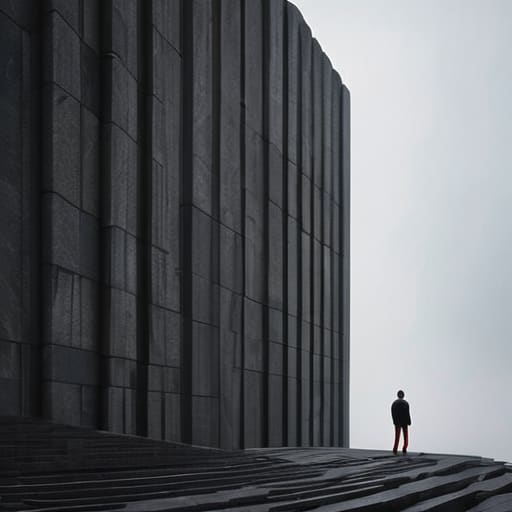
When I stand at the base of a massive, unadorned granite plinth, I don’t just feel the coldness of the stone; I feel the intent behind it. There is a specific, calculated discomfort in the psychology of grand scale design that most people mistake for mere awe. It isn’t accidental. When a designer scales a facade to heights that force the neck to strain, they are performing a silent act of subjugation. You aren’t just looking at a building; you are being reminded of your own biological insignificance in the face of an institution that seems to have no ceiling and no end.
I often find myself tracing the seams where these colossal blocks meet, looking for the slight irregularities that prove a human hand was involved, yet the final effect remains terrifyingly impersonal. This is where symbolism in civic buildings moves from the decorative to the visceral. It isn’t about the carvings of lions or eagles; it is about the sheer, crushing volume of the void between the columns. By manipulating the scale of the empty space, the architect dictates exactly how much room a person is “allowed” to feel comfortable occupying. You don’t walk into these spaces; you enter them as a guest of the state, always aware that the walls were built to outlast your very memory.
The Silent Dialogue of Stone
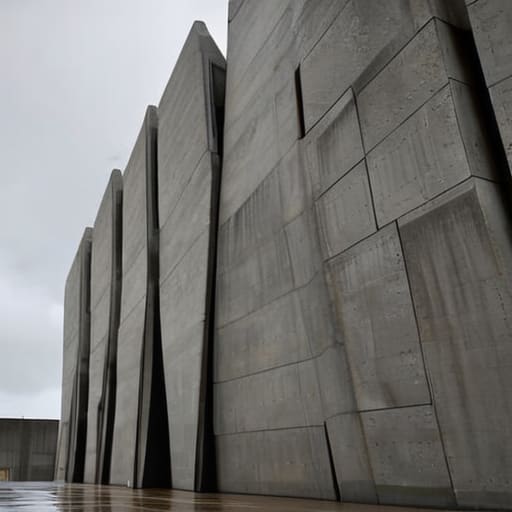
When we strip away the marble veneers and the gilded friezes, we are left with the raw mechanics of control. We have seen how the sheer mass of a triumphal arch or the calculated shadows of a vaulted corridor are never accidental; they are the deliberate application of physics to enforce a hierarchy. Whether it is the crushing weight of Roman concrete designed to outlast an empire or the intimidating verticality of a modern ministry, the message remains consistent. Architecture is not merely a backdrop for history; it is the physical manifestation of intent, using stone and mortar to codify the relationship between the ruler and the ruled long before a single law is ever read aloud.
But as I run my hands over the weathered joints of these old structures, I am reminded that power is rarely permanent. The very stones meant to project eternal stability eventually succumb to the slow, patient work of erosion and the shifting of the earth. We must learn to read these buildings not just as symbols of authority, but as living witnesses to the rise and fall of those who thought they could command the landscape forever. Next time you stand beneath a massive dome, don’t just look up in awe—look closer at the seams. Look for the gaps where the ambition of the builder meets the reality of the material, because that is where the true history of humanity is actually written.