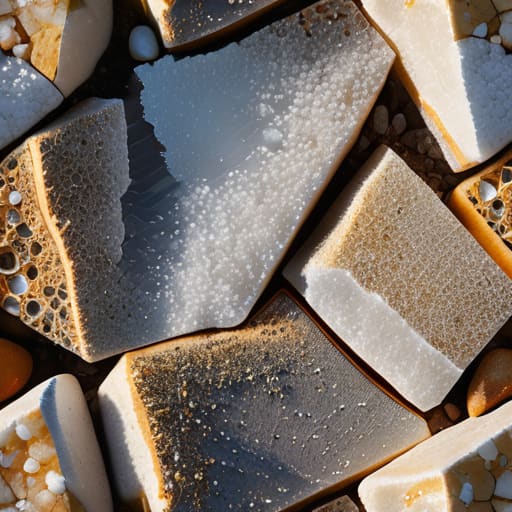
I was standing in a damp courtyard near Ravenna last October, watching a junior contractor suggest a high-pressure chemical wash for a crumbling limestone plinth. I almost lost my patience. He saw a dirty surface that needed scrubbing; I saw the slow, crystalline violence of salt damage in masonry, where the very minerals are being pushed through the pores of the stone by an invisible hand. To treat it with aggressive chemicals is like trying to cure a fever by breaking the thermometer—you aren’t fixing the sickness, you are just destroying the body.
I am not here to sell you expensive, proprietary sealants or to hide the problem behind a fresh coat of paint. My goal is to teach you how to read the efflorescence like a map. We are going to look past the white, powdery crust and understand the moisture cycles and the chemical shifts happening deep within the joints. I want to show you how to identify the true source of the decay so you can stop fighting the symptoms and finally address the cause.
Table of Contents
Decoding the Surface Lies of Efflorescence
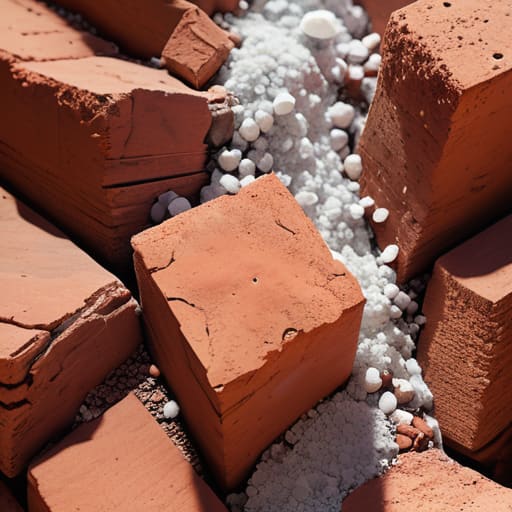
When you first walk up to a wall, you might see a dusting of white powder and think it’s just a cosmetic nuisance—a bit of chalky residue that can be brushed away. But that’s the trap. What looks like a simple surface stain is often a mask. True efflorescence is just the visible symptom; the real danger is the subflorescence masonry decay happening just beneath the skin. This is where the salts crystallize inside the pores of the stone or brick rather than on the surface. As those crystals grow, they exert a microscopic, hydraulic pressure that eventually forces the face of the material to flake, spall, or turn to dust.
I often find myself tracing these edges with my fingers, feeling the grit of a stone that is literally being pushed apart from the inside. If you only focus on the aesthetics, you miss the structural story. You cannot simply apply aggressive masonry cleaning solutions for salt without understanding whether you are treating a surface issue or a deep-seated moisture problem. If the underlying cause—the constant cycle of dampness and drying—isn’t addressed, you aren’t cleaning the building; you are merely scrubbing the surface of a slow-motion explosion.
The Hidden Violence of Moisture Ingress and Salt Damage
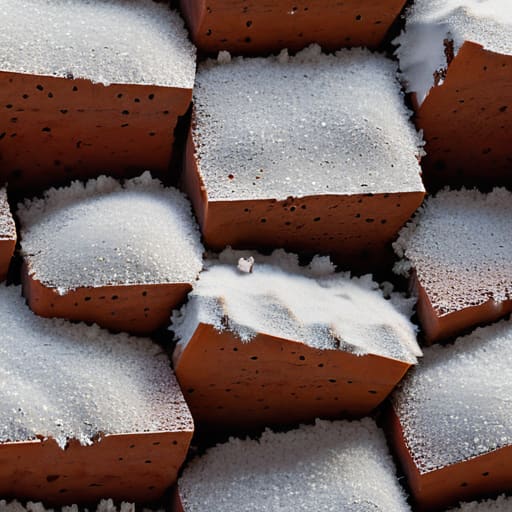
If efflorescence is merely a cosmetic nuisance, then what happens beneath the surface is a slow-motion demolition. When water carries dissolved salts deep into the pores of a stone or brick, it doesn’t just sit there; it exerts a mechanical pressure that no architect can ignore. This is the reality of subflorescence masonry decay. As the moisture evaporates, the crystals grow within the very capillaries of the material, acting like tiny, microscopic wedges being driven into the stone. I have stood in damp basements in Ravenna where the stone felt almost soft to the touch, not because it was wet, but because the internal expansion of these crystals had already begun to pulverize the matrix from the inside out.
This process is a quiet, relentless assault on the structural integrity of salt-damaged stone. It is much more insidious than a simple stain on a facade. You aren’t just looking at a change in color; you are witnessing the literal disintegration of the building’s skeleton. When the internal pressure exceeds the tensile strength of the material, the face of the masonry simply spalls off, leaving behind a hollowed, fragile shell. It is a heartbreak to see a beautifully carved lintel lost to this invisible violence, a victim of a cycle of wetting and drying that turns a solid monument into something as fragile as dried clay.
Beyond the Surface Scars
When we look at a wall plagued by salt, we aren’t just looking at a maintenance problem; we are looking at a complex, chemical struggle between the environment and the very bones of the structure. We have seen how efflorescence acts as a deceptive mask, hiding the much more aggressive subflorescence that works its way beneath the skin of the stone. Whether it is the capillary rise of groundwater or the misguided use of modern, impermeable cement in a historic lime-based wall, the culprit is always the same: a disruption of the building’s ability to breathe. To fix it, we cannot simply scrub the surface or paint over the white bloom; we must address the source of the moisture and respect the original material logic that allowed the building to survive this long.
In my years of surveying, I have learned that every crack and every dusting of salt is a message. These aren’t just signs of decay; they are the building’s way of telling us exactly how it is struggling to exist in a changing climate. If we learn to read these marks—not as failures, but as vital diagnostic data—we can move from reactive patching to true, respectful conservation. Don’t just look at the damage; look at the dialogue between the material and the moisture. That is where the real work of an architect begins, and that is where the soul of the building is ultimately saved.