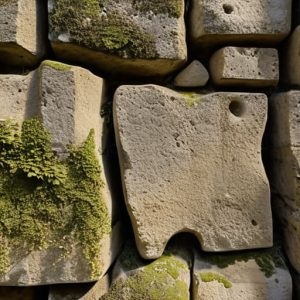
I was standing in the humid heat of a site near Benevento last summer, my fingers tracing the uneven grit of a weathered travertine block, when it hit me how much we get wrong. Most guidebooks will give you a sanitized, lofty lecture on how triumphal arches and their message were purely about divine right or imperial glory. They treat these structures like abstract symbols of power, floating in a vacuum of high art. But they’re wrong. When you look at the actual way the stone is keyed into the voussoirs, or how the mortar was packed into the joints to withstand the vibration of a passing chariot, you realize these weren’t just symbols—they were aggressive, physical interventions in the landscape.
I’m not here to recite the standard textbook definitions of political propaganda. Instead, I want to show you how to read the physical evidence left behind by the masons and the patrons. We are going to look past the marble faces and the grand inscriptions to see how the weight of the stone, the choice of local quarry, and the very texture of the carving reveal the true intent behind these monuments. By the end of this, you won’t just see a monument; you’ll see the decision-making process of a civilization.
Table of Contents
Reading the Intent in Stone and Mortar
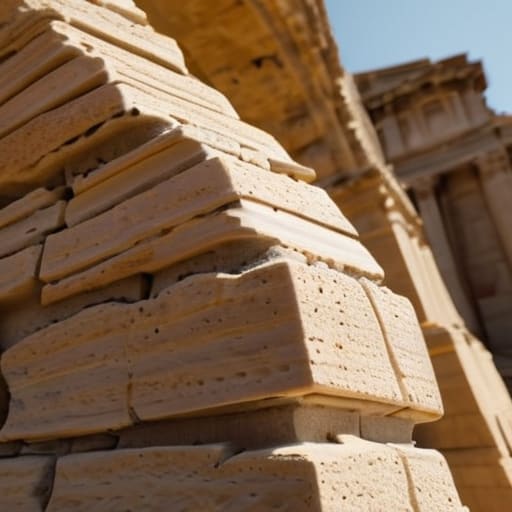
I spent yesterday afternoon in the heat of a small courtyard, tracing the grain of a weathered travertine block, and it struck me again: we often look at these monuments as finished objects, rather than active processes. When you examine the way the marble is actually seated, you see more than just structural stability. You see the tension between the architect’s vision and the sheer weight of the material. In the context of monumental propaganda in antiquity, the stone wasn’t just a medium; it was a weapon of permanence. The choice to use a specific, hard-wearing volcanic tuff versus a delicate, imported marble tells you exactly how much the patron intended that specific memory to endure against the erosion of time and politics.
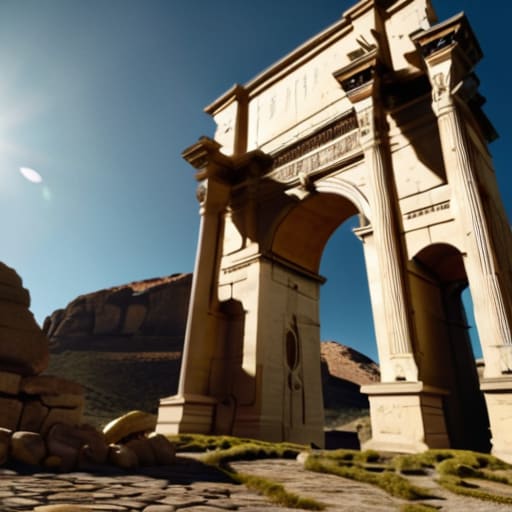
If you move your eyes from the joints to the relief work, the sculptural narrative on triumphal arches becomes a dialogue of texture. It isn’t enough to simply carve a scene; the depth of the undercut, the way the shadows fall into the crevices of a soldier’s cloak, dictates how the viewer is meant to feel. These aren’t just decorations. They are deliberate applications of political messaging through stone, where the very shadows cast by the midday sun act as a tool to heighten the drama of a conquest. You can almost feel the hands of the stonecutters in the rhythm of the chisel marks, working to ensure that the emperor’s glory felt as solid and unyielding as the masonry itself.
The Silent Language of Roman Imperial Architecture Symbolism
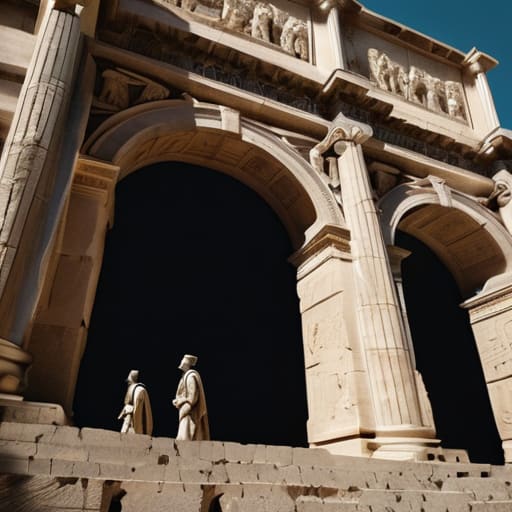
When I stand before one of these structures, I find myself looking past the grand scale to the way the imagery is actually anchored to the stone. It isn’t just decoration; it is a calculated deployment of monumental propaganda in antiquity. The Romans understood that a frieze wasn’t merely a border, but a way to dictate how a citizen should perceive the state. You can see it in the way the relief carvings are deeply undercut to catch the Mediterranean sun, ensuring that even from a distance, the sculptural narrative on triumphal arches remains legible, almost aggressive in its clarity.
The symbolism often hides in the very grammar of the architecture itself. A specific type of Corinthian capital or the precise spacing of a column isn’t just an aesthetic choice—it is a way of signaling stability and eternal order. I often find myself tracing the edges where the marble meets the brickwork, realizing that the entire composition was designed to project a sense of inevitability. This wasn’t just art; it was political messaging through stone, a method of ensuring that even when the emperor was miles away, his authority was physically present, carved into the very fabric of the city.
The Living Record of the Arch
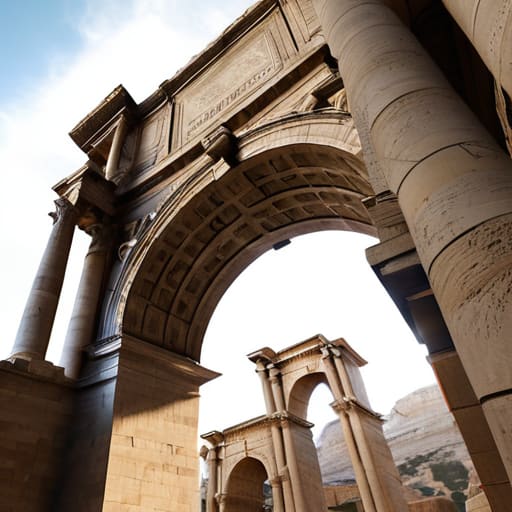
When we step back from the grand scale of these monuments, we shouldn’t lose sight of the granular details that actually hold the narrative together. We have seen how the sheer mass of the travertine and the precision of the voussoirs work in tandem to project an image of unshakeable Roman stability. It isn’t just about the relief carvings or the names of the emperors etched into the frieze; it is about the way the stone was quarried, shaped, and hoisted into place to defy gravity itself. To understand the triumphal arch is to recognize that the message is carried as much by the deliberate weight of the masonry as it is by the political propaganda sculpted into its face.
So, the next time you find yourself standing before one of these giants, I urge you to stop looking at it as a mere backdrop for a tourist photo. Lean in. Look for the tool marks left by a long-dead mason, the slight irregularities in the mortar joints, and the way the light catches the grain of the stone. These arches are not static relics; they are active dialogues between the hands that built them and the eyes that observe them today. If you listen closely to the way the materials meet, you realize that the true triumph isn’t just in the victory being celebrated, but in the enduring logic of the construction that refuses to be forgotten.