I was standing in a damp cellar in Ravenna last autumn, watching a contractor try to explain why a modern, synthetic resin sealant was “superior” to traditional methods. It was a lie, of course—a costly, plastic-wrapped band-aid that ignores the very physics of the ground beneath us. People have become obsessed with finding high-tech, chemical miracles to solve moisture issues, completely overlooking the fact that we already mastered the art of cocciopesto and waterproof floors two thousand years ago. You don’t need a laboratory-grown polymer to fight humidity; you need to understand how crushed terracotta and lime actually breathe with the structure.
I am not here to sell you on a luxury lifestyle aesthetic or a trendy showroom finish. My goal is to strip away the marketing jargon and show you the mechanical reality of this material. I want to walk you through the specific, tactile decisions—the grit of the aggregate, the timing of the lime, and the way the mix settles—that turn a simple floor into a functional barrier. By the end of this, you won’t just know how to achieve cocciopesto and waterproof floors; you will understand why it works.
Table of Contents
The Secret Language of Crushed Brick Mortar Waterproofing
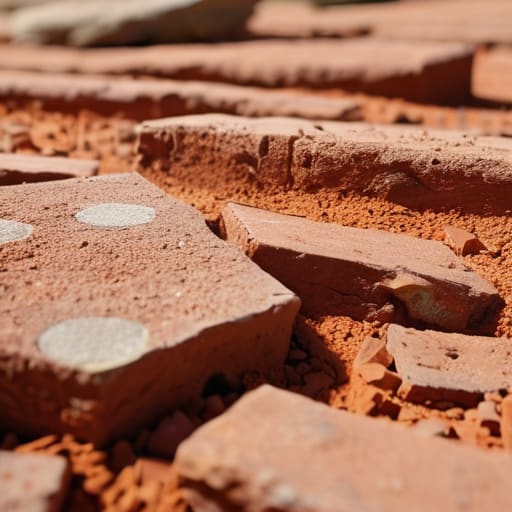
When I run my hands over a surface of crushed brick mortar waterproofing, I’m not just feeling a texture; I’m feeling a chemical dialogue. The secret lies in the pozzolanic reaction. By adding finely ground terracotta to a lime base, the masons of the past weren’t just adding color—they were fundamentally changing the mortar’s DNA. The silica and alumina in the crushed brick react with the calcium hydroxide, creating a structure that is far more resistant to the creeping dampness that usually plagues old stone foundations. It’s a way of turning a soft, porous material into something that actively resists the ingress of liquid while still allowing the building to breathe.
I often find myself documenting these specific transitions in old villas, especially when considering a cocciopesto bathroom floor application in a modern restoration. You see, if you use a modern, non-porous synthetic sealant, you risk trapping moisture behind the surface, which eventually leads to the dreaded efflorescence or, worse, the spalling of the substrate. Instead, relying on the natural lime-based flooring durability allows the floor to act as a sacrificial layer. It manages the moisture cycle of the room rather than fighting it with a plastic film, ensuring that the water moves through the system without destroying the integrity of the masonry beneath.
Why Natural Lime Based Flooring Durability Outlasts Modern Synthetic
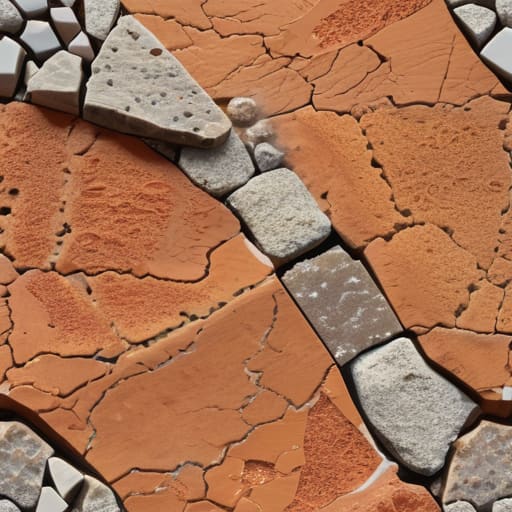
I spent three weeks in a damp basement in Ravenna last autumn, watching a modern epoxy-based floor begin to delaminate from the substrate. It was heartbreaking. When we use synthetic resins to “seal” a space, we are essentially creating a plastic skin that suffocates the stone underneath. The moment moisture gets trapped behind that impermeable barrier, the pressure builds until the floor simply gives up. This is why I always advocate for natural lime-based flooring durability; it isn’t about creating a barrier, but about managing the movement of water.
Unlike modern polymers that fight against humidity, a traditional mix works with it. Because the lime and the crushed brick remain chemically active and porous, the floor can “breathe.” It allows vapor to migrate through the material rather than forcing it to pool and rot the foundation. When I look at a well-maintained cocciopesto bathroom floor application in an old villa, I don’t see a sterile, frozen surface. I see a living system of breathable waterproof flooring solutions that has survived centuries of humidity precisely because it knows how to let the building exhale.
The Weight of the Decision
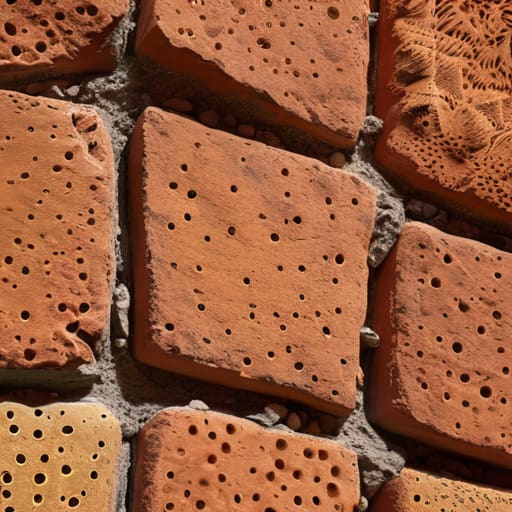
When we strip away the marketing gloss of modern resins, we are left with the raw, honest reality of the material. We have seen how the crushed brick within the cocciopesto isn’t just a filler, but a functional necessity that creates a breathable, hydraulic barrier against the very moisture that destroys lesser floors. It is the marriage of lime and ceramic dust that allows these surfaces to endure the dampness of a Sicilian courtyard or the humidity of a Roman basement without cracking under the pressure of their own environment. To choose cocciopesto is to reject the quick fix of synthetics in favor of a technical logic that has survived two millennia of trial and error.
Ultimately, my work has taught me that a floor is never just a flat surface to walk upon; it is a continuous dialogue between the earth and the architect. When you stand on a well-laid cocciopesto floor, you aren’t just standing on pigment and grit, you are standing on a calculated response to gravity and water. I hope that the next time you find yourself in an old palazzo, you don’t just look at the pattern on the ground, but rather look for the way the material holds its ground. Look for the intent in the joints, because that is where the true mastery of the craft remains alive.