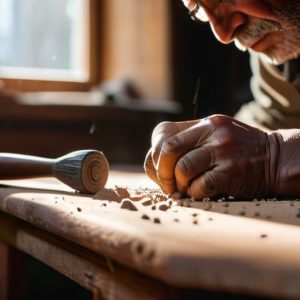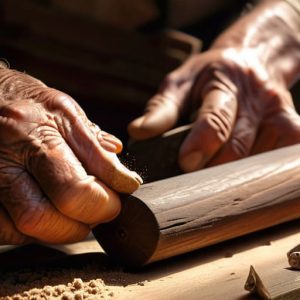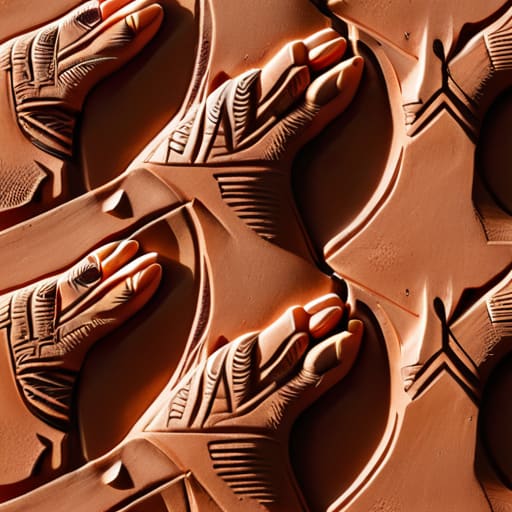
I was standing on a scaffold in a small village outside of Orvieto last autumn, scraping at a section of a facade that had been “restored” with modern, mass-produced tiles, and I felt a genuine sense of grief. People often talk about terracotta and architectural ceramics as if they are merely decorative skins—something you slap onto a building to give it a bit of Mediterranean warmth or a sense of “character.” But when you see a cheap, factory-perfect imitation forced into a centuries-old masonry joint, you realize they’ve missed the point entirely. They treat these materials like wallpaper, ignoring the fact that true ceramics are structural participants in a building’s life, breathing and shifting with the very walls they inhabit.
I am not here to sell you on a lifestyle aesthetic or show you glossy brochures of sun-drenched villas. Instead, I want to show you how to read the clay. We are going to look past the surface color and examine the integrity of the firing, the way a specific chamfered edge was designed to shed water, and why the bond between the earth and the mortar is the only thing that actually matters.
Table of Contents
Tracing the Fingerprints in Clay Building Materials
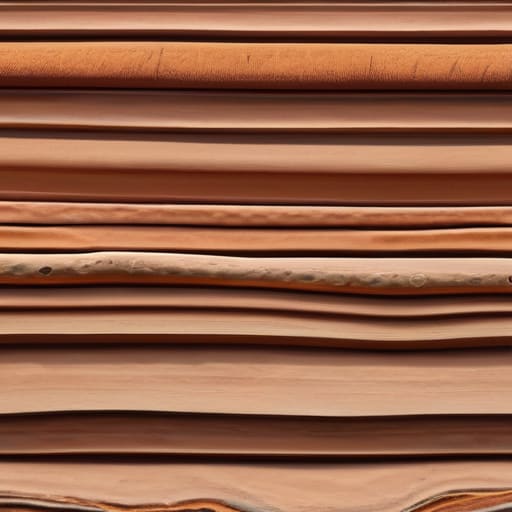
When I run my hand over a section of weathered architectural terracotta cladding, I’m not looking for the color or the pattern. I’m looking for the slip. You can often find the faint, dried ridges left by a craftsman’s thumb or the slight shudder of a tool that was being used too quickly. These aren’t flaws; they are the evidence of a human hand negotiating with a stubborn material. In many of the older structures I survey, you can see how the moisture levels in the kiln dictated the final density of the piece, leaving behind a texture that tells you exactly how much heat that specific corner of the kiln endured.
It is in these subtle variations that we truly understand traditional masonry techniques. I often find myself photographing the way a decorative clay moulding meets a stone lintel, noting the minute gap where the two materials refuse to fully agree. There is a specific tension there—a conversation between the rigidity of stone and the more forgiving nature of fired earth. If you look closely at the underside of a cornice, you can often see the marks where the wooden supports once rested, a silent testament to the moment of assembly that happened centuries ago.
The Silent Dialogue of Fired Earth and Light
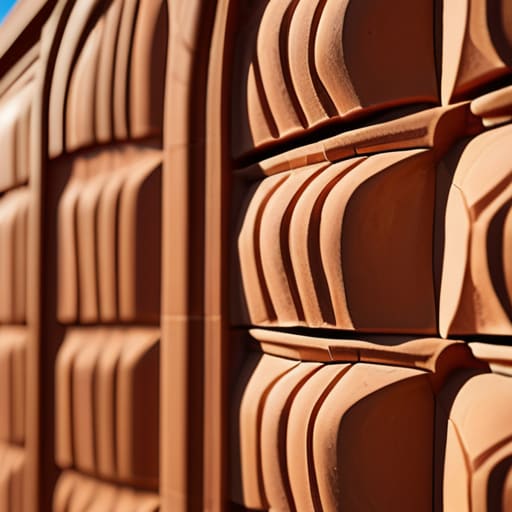
When I stand before a facade in the late afternoon, I’m not looking at the color of the building; I’m looking at how the shadows behave. There is a specific, rhythmic quality to how light interacts with architectural terracotta cladding that you simply don’t get with smooth, modern render. As the sun dips, the light catches the slight irregularities in the fired surface—the tiny pits, the subtle undulations from the mold—and suddenly, the wall isn’t a flat plane anymore. It becomes a living thing. You can see the depth of the decorative clay mouldings as they cast long, soft shadows that change every hour, revealing the geometry that a midday sun would completely flatten.
It is a conversation between the material and the sun. In my surveys, I often find that the most successful historic facades were designed with this exact temporal movement in mind. The masons weren’t just choosing clay building materials for their durability or their local availability; they were choosing how the building would breathe with the light. When you see a well-preserved sequence of ornamental elements, you realize they weren’t just stuck onto a wall—they were choreographed to catch the light at specific angles, turning a heavy, earthen structure into something that feels almost weightless as the shadows stretch.
The Lesson in the Kiln
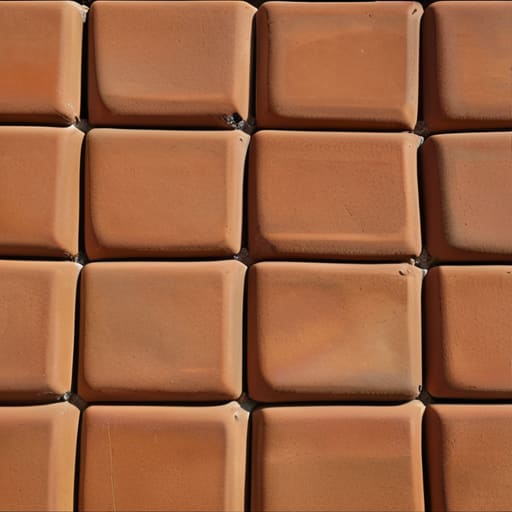
When we look closely at these ceramic elements, we aren’t just admiring a surface; we are witnessing a technical history of thermal management and structural intent. From the way a specific terracotta tile is shaped to shed water away from a vulnerable joint, to the precise, rhythmic placement of glazed ceramics that direct the eye, every piece serves a functional purpose. We have seen how the material breathes, how it reacts to the Mediterranean sun, and how the subtle variations in firing color are not defects, but rather the honest signatures of the kiln. To understand the ceramic is to understand the very physics of the wall it inhabits.
I often find myself lingering in front of a weathered facade long after my survey notes are complete, simply because I want to respect the labor involved. We live in an era of seamless, characterless surfaces, but there is a profound dignity in materials that refuse to hide their origins. Next time you walk past an old courtyard or a modern installation, I urge you to stop and look at the edges where the clay meets the stone. Don’t just look at the color; look at the intent behind the assembly. That is where the building finally begins to speak to you.