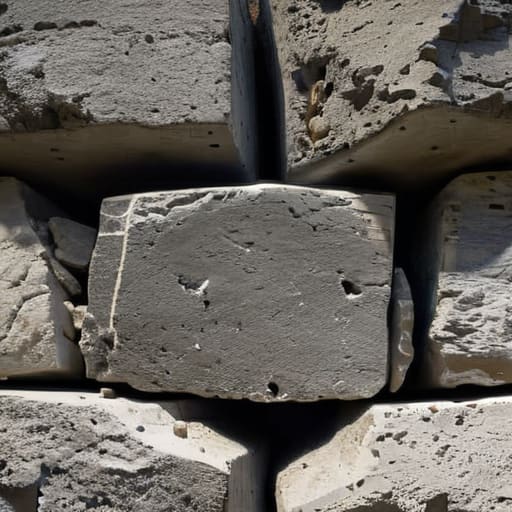
I was kneeling in the damp dust of a crumbling courtyard near Syracuse last autumn, my fingers tracing a hairline fracture that shouldn’t have been there. Most people look at a peeling facade and see decay, but I saw a crime scene. The culprit wasn’t age; it was the modern, arrogant decision to patch ancient masonry with Portland cement, effectively suffocating the stone. When we talk about lime mortar and why it matters, we aren’t discussing some academic curiosity or a boutique luxury for restorers; we are talking about the breathability of a building’s very skin. If you seal a wall with something too rigid, you aren’t protecting it—you are sentencing it to a slow, structural death.
I have no interest in selling you expensive, branded additives or complex chemical formulas that promise miracles. Instead, I want to show you how to read the joints like a map. I’m going to strip away the jargon and talk about the actual mechanics of survival—from the way carbonation works to why choosing the wrong binder is the most expensive mistake you can make. I promise to give you the unvarnished truth of what happens when the material meets the history.
Table of Contents
Understanding Vapor Permeability in Buildings
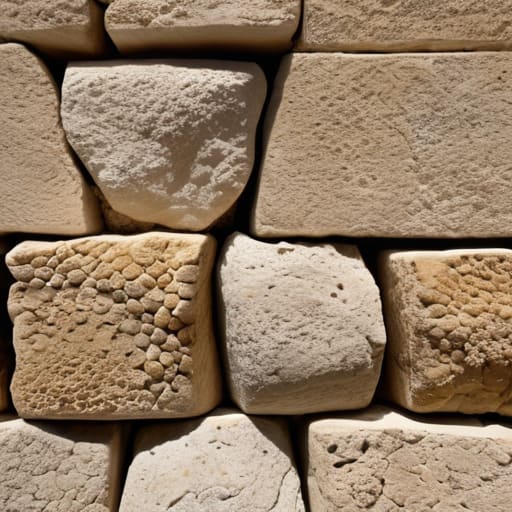
I spent three weeks in a crumbling palazzo in Palermo last summer, tracing the dampness that had climbed up a limestone pier. It wasn’t just a leak; it was a fundamental misunderstanding of how a wall breathes. When we talk about vapor permeability in buildings, we aren’t discussing some abstract physics concept; we are talking about the survival of the stone itself. A wall is not a sealed box; it is a living, porous skin. If you trap moisture behind a layer of modern, impermeable material, you aren’t protecting the structure—you are suffocating it.
This is where the critical distinction between lime vs cement mortar becomes a matter of life and death for a facade. Cement is stubborn and rigid; it acts like a plastic plug that refuses to let water escape. When moisture gets trapped behind a cementitious pointing, it can’t evaporate, so it pushes inward, forcing the face of the stone to spall and crumble. In my work, I look for that tell-tale powdering at the edges of a block. Using a lime-based mix allows for proper moisture management in masonry, ensuring that water travels through the joints—the sacrificial part of the system—rather than destroying the precious historic stone.
The Silent Dialogue of Moisture Management in Masonry
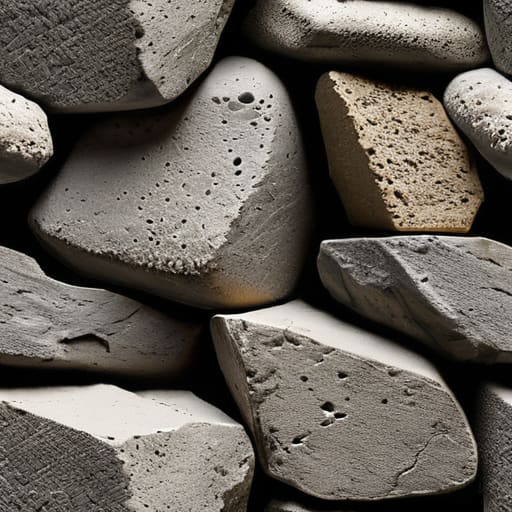
I remember standing in a damp cellar in Ravenna last autumn, tracing the line where a modern cement patch met the original tuff. The difference was violent. Where the lime had settled, the wall felt alive, almost rhythmic; where the cement had been shoved in, the stone was weeping, pushed outward by its own trapped breath. This is the core of moisture management in masonry: a building is not a static object, but a system in constant negotiation with the elements. When we use rigid, impermeable materials, we aren’t protecting the structure; we are suffocating it.
In the context of historic building conservation, we have to respect that old walls were designed to move and to sweat. Traditional masonry techniques relied on a sacrificial logic—the mortar was intended to be the softer, more porous element, absorbing the brunt of the environmental stress so the stone wouldn’t have to. If you choose the wrong binder, you create a dam. That dam eventually bursts, manifesting as salt crystallization or spalling that can turn a centuries-old facade into dust. To understand a building, you must understand how it handles its own tears.
The Living Legacy of the Joint
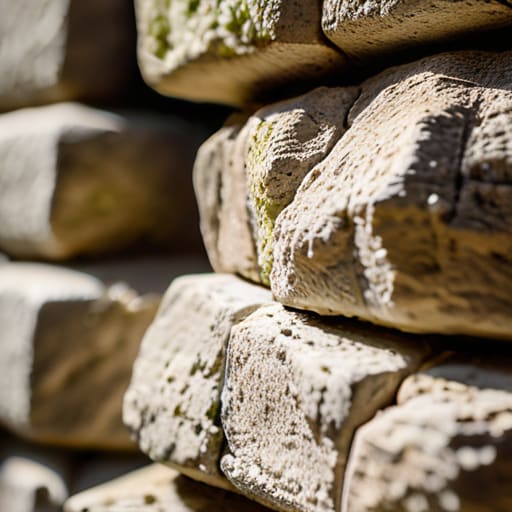
When we strip away the aesthetic veneer, we are left with the reality of how a structure actually survives. It isn’t just about the strength of the stone, but about the flexibility of the bond that holds it. We have seen how lime mortar acts as the building’s lungs, managing moisture through vapor permeability and preventing the catastrophic trapped dampness that cement so often invites. To ignore the chemistry of the mortar is to ignore the very mechanism that allows a wall to age with grace rather than crumbling under the weight of its own rigidity. Understanding these technical nuances isn’t just an academic exercise; it is the fundamental requirement for any honest restoration.
Next time you walk through a courtyard in Ravenna or run your hand along a weathered facade in Palermo, I ask you to stop looking at the grand arches and start looking at the gaps between them. Look at how the light catches the texture of a weathered joint. There is a profound, quiet dignity in a building that is allowed to breathe, a testament to the masons who understood that stability requires movement. When we choose the right materials, we aren’t just fixing a wall; we are honoring a continuous conversation between the earth, the craftsman, and time itself. Listen to what the masonry is telling you.