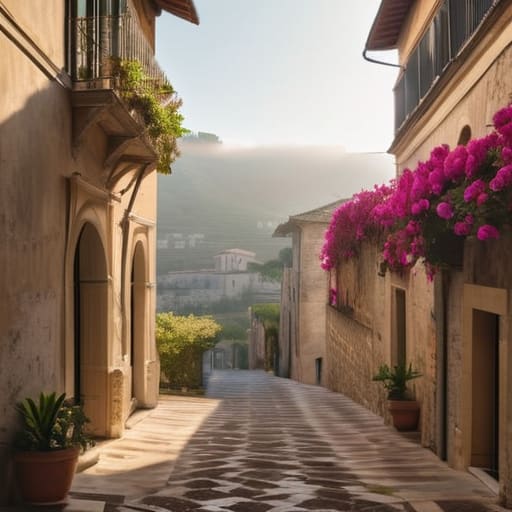
I remember kneeling in the dust of a crumbling Sicilian courtyard last summer, my fingers tracing the grit of a lime-based mortar that felt entirely alien to the precision of the Venetian brickwork I’d surveyed a decade prior. People love to talk about the north-south differences in Italy as if they are merely matters of dialect or the speed of a morning espresso, but they are missing the actual soul of the country. To me, the divide isn’t found in a political debate or a travel brochure; it is written in the very marrow of the landscape, etched into the way a stone was quarried in the Alps versus how it was baked in the sun of Puglia.
I have no interest in giving you the polished, postcard version of this peninsula. Instead, I want to show you the structural reality of this split—how the climate, the geology, and the hands of the builders created two distinct worlds under one flag. I will guide you through the cracks and the joints, explaining how the material truths of the land dictate the way we live, build, and survive from the Po Valley down to the Mediterranean coast.
Table of Contents
Cracks in the Mortar the Economic Divide Italy North vs South
Cracks in the Mortar: The Economic Divide Italy North vs South
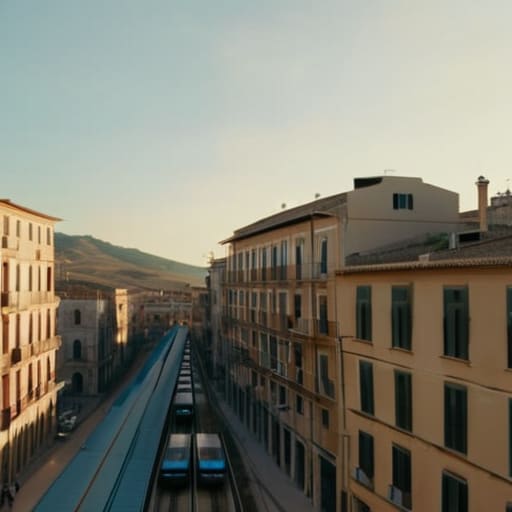
When I am standing in a dusty construction site or examining a crumbling facade in a Sicilian village, I don’t just see a lack of maintenance; I see the physical manifestation of the industrial north vs agricultural south italy tension. In Milan or Turin, the buildings reflect a certain capital-driven precision—steel, reinforced concrete, and standardized masonry that speaks of rapid, wealthy expansion. You can feel the weight of the money behind the mortar. There is a structural confidence there, a sense that the architecture was designed to endure a relentless, productive pace of life.
But travel down toward Puglia or Calabria, and the story shifts into something more fragile and deeply human. Here, the italian socioeconomic gap explained isn’t just a statistic in a textbook; it is written in the unevenness of the stone. The lack of centralized investment means that many structures rely on traditional, often precarious, repair methods. You see the patches of lime mortar applied by hand, sometimes decades too late, trying to hold together a history that the modern economy has largely bypassed. It is a landscape of resilience, where the architecture feels less like a planned machine and more like a living, breathing struggle to remain upright.
A Tale of Two Structures Industrial North vs Agricultural South Italy
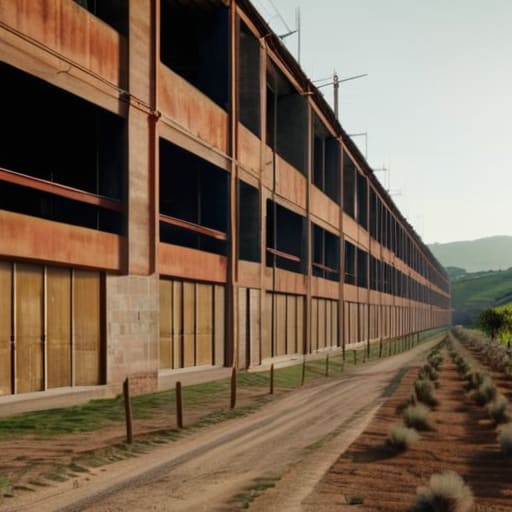
When I walk through the industrial corridors of Milan or Turin, I am struck by the rhythm of the materials. There is a certain mechanical precision in the brickwork and the reinforced concrete of the early twentieth-century factories; everything feels calculated, designed to withstand the relentless pulse of production. The architecture here speaks of a structured, fast-moving world, where the industrial north vs agricultural south italy dichotomy is written in the very thickness of the walls and the efficiency of the spatial planning. It is a landscape of steel and heavy masonry, built to serve a logic of scale and speed.
Contrast that with the way I survey a farmhouse in the hills of Puglia or a village in Sicily. The stone is different—it is porous, sun-bleached, and often laid with a much more intuitive, manual touch. You see the layers of history in the way the dry-stone walls meet the lime-washed plaster, reflecting a life dictated by the seasons rather than the factory whistle. This isn’t just a matter of aesthetics; it is a physical manifestation of the italian socioeconomic gap explained through the lens of labor. One side was built to manufacture, the other was built to endure the earth, and you can feel that tension every time you run your hand over a weathered lintel.
The Living Blueprint
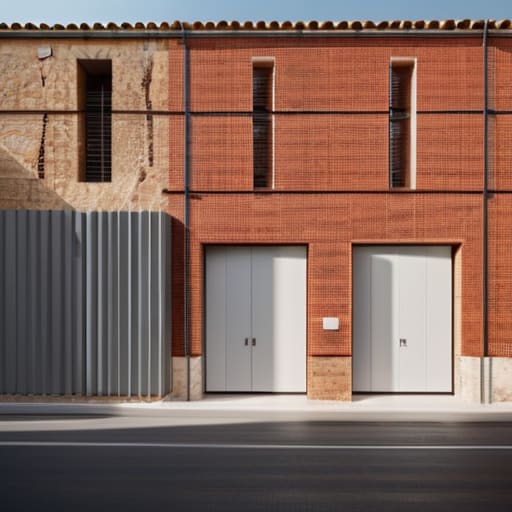
When we step back from the individual stones and look at the peninsula as a whole, the pattern becomes undeniable. We have seen how the heavy, standardized brickwork of the industrial North speaks to a different set of economic pressures than the porous, local tufa and limestone of the South. It isn’t just a matter of aesthetics; it is a record of divergent histories written in lime and grit. The North built for the machine and the factory, while the South built for the sun and the seasons, creating a structural duality where the very integrity of the masonry reflects a split in how wealth, labor, and resources were distributed across the centuries.
Ultimately, I don’t see these differences as mere fractures to be mended, but as the essential texture of our shared identity. A building—or a nation—is never a finished, monolithic block; it is a continuous process of layering, repair, and adaptation. To understand Italy, you must learn to love the irregularity of the joint and the way the different regional styles struggle and coexist within the same frame. If we only looked for uniformity, we would miss the soul of the structure. We must look closer at the seams, for it is in those uncomfortable transitions that the true story of our resilience is found.