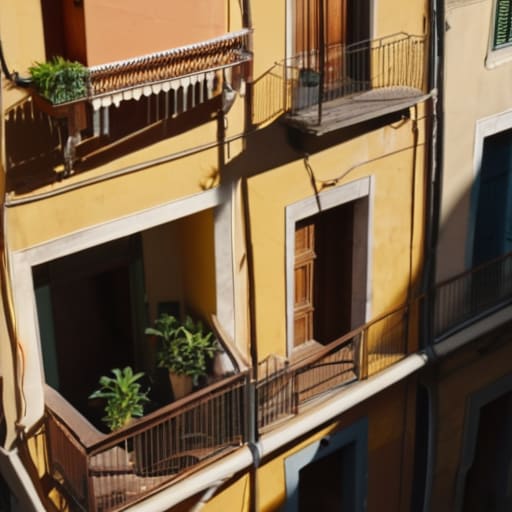
I was standing in a narrow alleyway in the Quartieri Spagnoli last Tuesday, my camera lens inches away from a particularly stubborn patch of volcanic tuff, when I realized how much we get wrong about this place. Most tourists—and even some poorly trained urban planners—look at naples and dense urban fabric and see nothing but chaotic clutter or a logistical nightmare. They see a mess of laundry lines and impossible geometries that defy logic. But they are looking at the skin and missing the bones. To me, that density isn’t a lack of order; it is a centuries-old conversation between stone, gravity, and the desperate need for shade.
I am not here to give you a sanitized lecture on urban sociology or a glossy guide to Neapolitan street life. Instead, I want to show you how to read the seams. We are going to look past the noise to understand how these buildings actually lean on one another for survival, examining the way a 17th-century lintel might be wedged into a much older foundation just to make room for a new doorway. I promise to show you the structural honesty hidden within the squeeze.
Table of Contents
Tracing the Veins of Historical Street Patterns in Naples
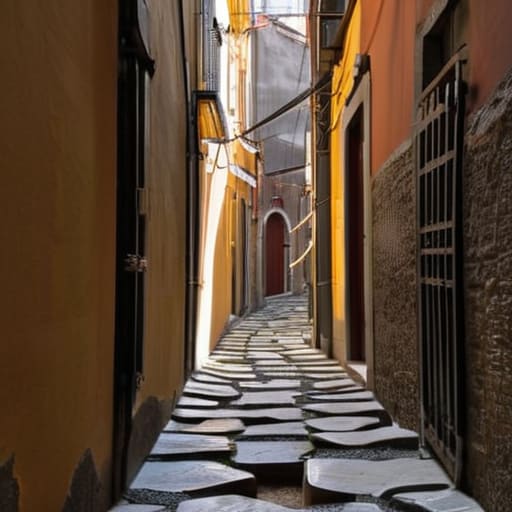
When I walk through the Spaccanapoli, I am not looking at the storefronts or the tourists; I am looking at the ground, trying to trace the logic of the historical street patterns in Naples. These aren’t just paths; they are the fossilized remains of centuries of negotiation. You can see where a Roman decumanus was forced to bend by a medieval wall, or where a narrow alleyway was squeezed into existence simply because a family needed one more room. It is a chaotic, beautiful geometry of necessity.
Performing a Naples urban morphology analysis is less about maps and more about reading the scars on the landscape. The city doesn’t follow a master plan; it follows a pulse. You see it in the way the streets taper and swell, dictated by the socio-spatial dynamics of Naples that have played out for generations. The density isn’t an accident of poor planning, but a physical record of how people have clung to this specific, volcanic soil. Every time a new layer of masonry is slapped onto an older foundation, the street’s character shifts slightly, creating a living, breathing tension between the ancient footprint and the frantic needs of the present.
Where Mortar Meets the Weight of Centuries
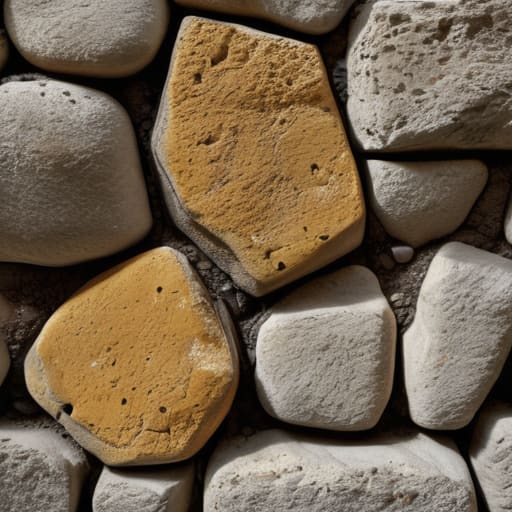
I spent most of yesterday morning in a narrow alleyway near Spaccanapoli, my knees damp from the humidity, staring at a section of wall where a 17th-century tuff block had been crudely patched with a much later, coarser lime mortar. It is in these microscopic gaps—the places where one era’s decision meets another’s necessity—that you truly understand the socio-spatial dynamics of Naples. You don’t see a unified plan here; you see a constant, breathless negotiation. The mortar isn’t just a binding agent; it is a record of survival, a messy, grey glue holding together a city that has been growing inward upon itself for millennia.
When you perform a proper Naples urban morphology analysis, you realize that the density isn’t just a matter of how many people live in a square meter. It is about the physical pressure of the materials themselves. I find myself tracing the way the volcanic stone settles under the sheer weight of the stories built above it. There is a specific, heavy tension in the way these buildings lean into one another, almost as if they are holding each other up to prevent the entire street from collapsing into the void below. It is a structural intimacy that no modern blueprint could ever replicate.
The Living Palimpsest
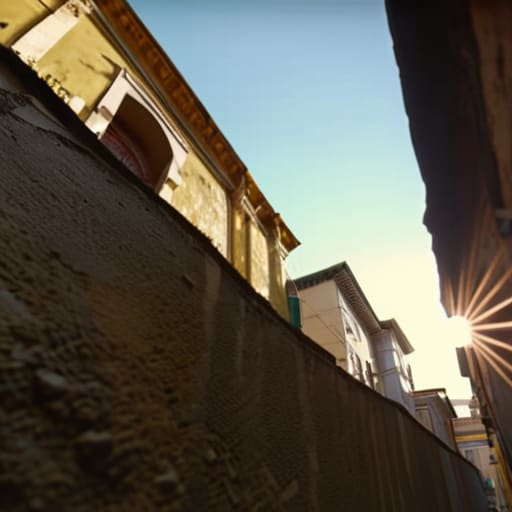
To walk through Naples is to realize that urban density is never just a matter of proximity; it is a continuous, messy dialogue between eras. We have seen how the ancient street patterns dictate the flow of modern life, and how the very mortar holding these structures together acts as a chronological glue, binding Roman foundations to Baroque additions. It isn’t just about the sheer number of buildings packed into a single vista, but the way each new layer of stone and lime attempts to negotiate space with what came before. When you look closely at the joints and the uneven settling of these walls, you see that the city isn’t a finished product, but a perpetual construction site of human necessity.
I often find myself lingering by a corner where a tuff block has been crudely patched with a different type of stone, just to feel the texture of that decision. We must stop viewing these crowded alleyways as mere chaos and start seeing them as a masterclass in structural resilience. If we learn to read the scars on the masonry and the logic of the narrow passages, we stop being mere tourists and start becoming witnesses to history. The real soul of Naples isn’t found in its grand monuments, but in the stubborn, beautiful way the city refuses to stop building upon itself.