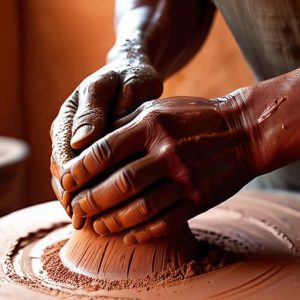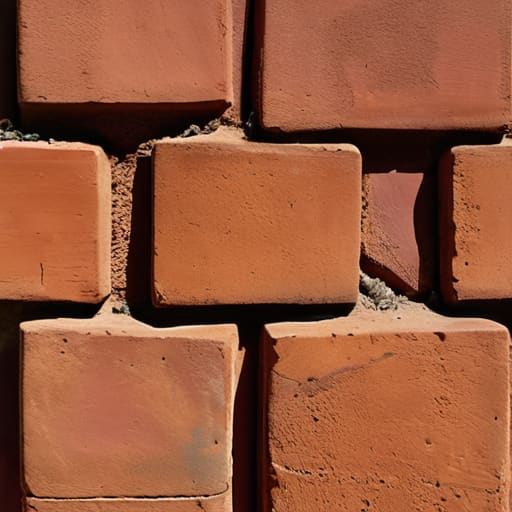
I was kneeling in the dust of a crumbling nave near Cremona last autumn, my fingers tracing the uneven edge of a single, sun-baked unit, when I realized how much we misinterpret the Lombard brick tradition. Most people—and even some of my more “academic” colleagues—look at these walls and see a generic medieval aesthetic, something to be replicated with modern, machine-pressed clones for the sake of a “rustic” look. They miss the point entirely. They see a style, but they fail to see the logic of the hand; they don’t see how the slight variations in color and the specific thickness of the mortar tell us exactly how much weight that particular arch was meant to carry.
I’m not here to sell you on a romanticized version of the past or give you a lecture on stylistic periods. Instead, I want to show you how to actually read these walls. I will walk you through the technical reality of the material, from the way the clay was tempered to the intentionality of the bond, so you can understand the structural decisions made by masons centuries ago. We are going to look past the surface and focus on the integrity of the construction, because that is where the true history lives.
Table of Contents
Sourcing the Earth Traditional Lombard Building Materials
Sourcing the Earth: Traditional Lombard Building Materials
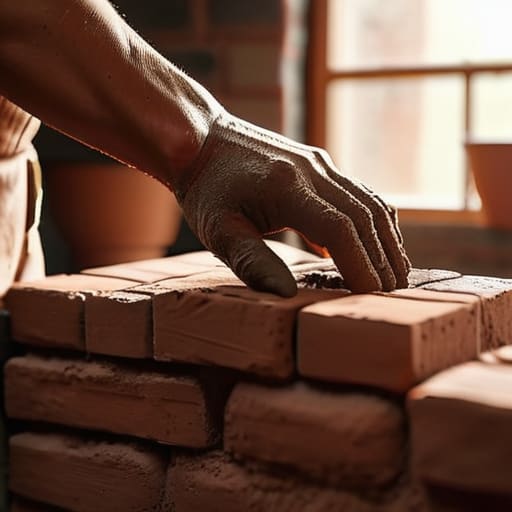
When I am walking through the Po Valley, I don’t just see walls; I see the sediment of the riverbeds. The foundation of all traditional Lombard building materials begins with the clay itself—that heavy, alluvial silt deposited by the rivers. Unlike the refined, uniform bricks you find in a modern hardware store, the historical specimens I encounter are deeply idiosyncratic. They carry the fingerprints of the local geology. You can see it in the color shifts, where a single course might transition from a pale ochre to a deep, burnt umber, depending on how the heat hit that specific batch in the kiln.
This variability is what gives Italian terracotta architecture its soul. The masons weren’t working with a standardized product; they were working with the earth they stood upon. I often find myself kneeling in the dust of a site, photographing the slight irregularities in the brick faces. These aren’t defects; they are the records of a specific firing process. When you understand that the material was born from the very soil the building sits on, the connection between the landscape and the structure becomes something almost visceral. It isn’t just construction; it is a geological dialogue frozen in clay.
The Weight of History in Northern Italian Architectural Styles
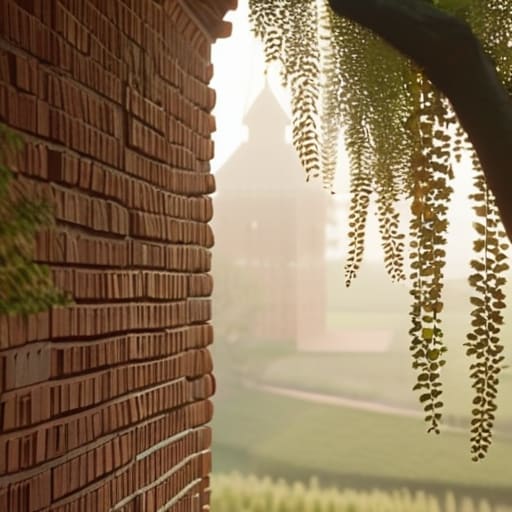
When you walk through the Po Valley, the weight of the architecture isn’t just in the physical mass of the walls, but in the sheer persistence of a specific logic. These Northern Italian architectural styles don’t feel like they were imposed from above; they feel as if they grew directly out of the silt and clay of the riverbanks. You see it in the way a medieval campanile anchors itself to the ground, using a density that suggests a deep, ancestral understanding of gravity and local soil.
It is easy to look at a cathedral and see only the grand silhouette, but I find myself drawn to the subtle shifts in texture that define the region. The transition from the heavy, structural reliance of the Romanesque period to the more intricate, rhythmic surfaces of later eras reveals a constant dialogue between necessity and ornament. In many of these structures, the decorative brick facades aren’t merely applied skins; they are an integral part of the building’s structural expression. You can trace the evolution of the craft by how the masons began to manipulate light and shadow through recessed courses and projecting cornices, turning a humble, utilitarian material into a sophisticated language of relief and depth.
The Living Geometry of the North
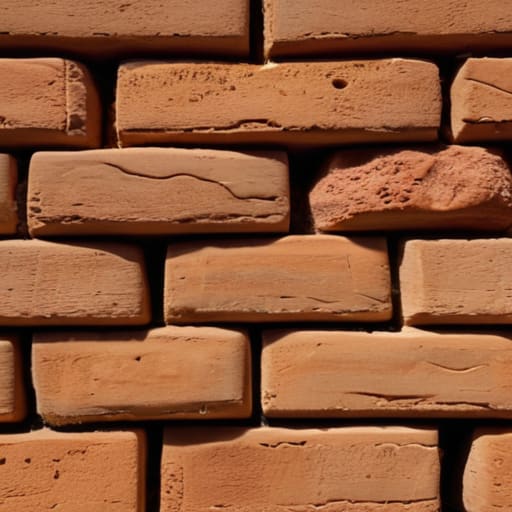
When we look back at the Lombard tradition, we aren’t just looking at a collection of old walls; we are looking at a sophisticated dialogue between the river silt of the Po Valley and the hands of the master masons. From the specific density of the locally sourced clay to the rhythmic, almost musical precision of the brickwork patterns, every element serves a purpose. It is a system built on the understanding that a wall is more than a barrier—it is a structural organism. By studying the way these bricks interlock and how the mortar beds have weathered over centuries, we see a clear lineage of technical intentionality that has defined the architectural identity of Northern Italy for generations.
I often find myself standing in the shadow of a medieval facade, tracing the edges of a single, weathered brick with my fingers, and I am struck by the same realization every time: these structures are not static. They are ongoing conversations. The next time you walk through a city like Pavia or Cremona, I beg you to stop looking at the grand silhouettes and start looking at the joints and the textures. Look for the slight irregularities, the marks of the kiln, and the way the light catches a hand-pressed edge. That is where the soul of the building resides. It is in those small, quiet details that we truly meet the makers of our past.