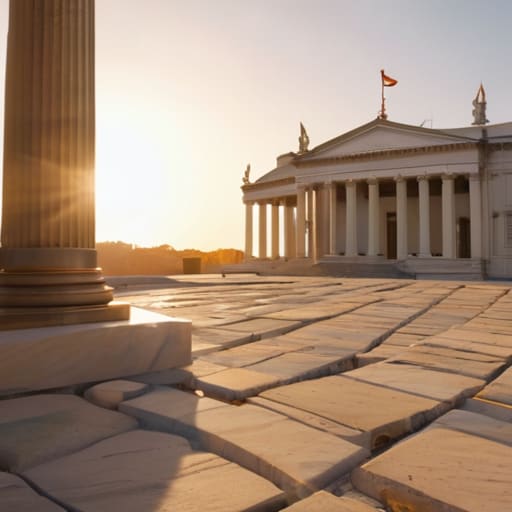
I was standing in a crumbling courtyard in Palermo last autumn, tracing the edge of a limestone lintel that had been patched with nothing but cheap, sandy mortar. The contractor was busy explaining how the “optimized budget” had necessitated these shortcuts, using all the polished jargon of a modern consultant. It’s a lie we tell ourselves to make the math work. We talk about the cost and financing of public works as if it’s a clean, mathematical abstraction found in a spreadsheet, but in reality, it is a series of violent compromises etched directly into the stone. When the funding dries up halfway through a project, the truth doesn’t stay in the ledger; it shows up in the inferior grade of aggregate or the decision to skip the proper drainage layer.
I am not here to give you a lecture on fiscal policy or to recite the latest bureaucratic frameworks from Rome. Instead, I want to show you where the money actually lives—and where it disappears. I will walk you through the material reality of how these projects are actually sustained, from the initial allocation to the inevitable, messy decisions made when the funds run thin. My goal is to help you see the connection between the bank statement and the building itself.
Table of Contents
Tracing the Ghost of Government Capital Expenditure
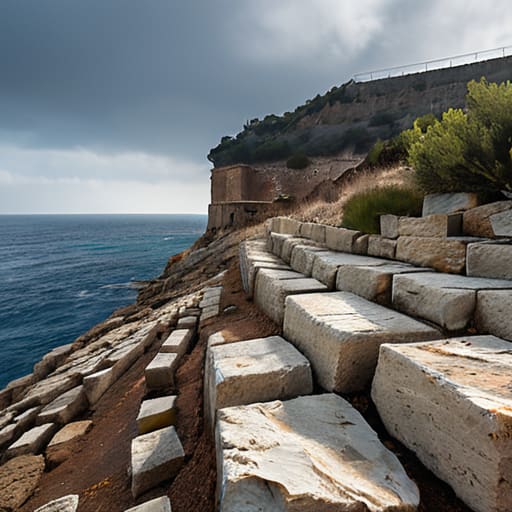
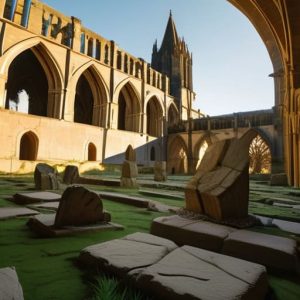
When I stand before a crumbling retaining wall in a coastal village near Palermo, I don’t just see the salt erosion; I see the fingerprints of a specific era of government capital expenditure. You can sense the moment the coffers ran dry by the way the masonry shifts from precision-cut ashlar to a hurried, rubble-filled core. It is a physical manifestation of a budget cycle that ended mid-construction. These shifts in material quality are rarely accidental; they are the scars left behind by the rigid constraints of infrastructure project budgeting, where a sudden shift in political priority can leave a half-finished arcade to weather the elements for decades.
Tracing these fiscal ghosts requires looking past the grand facades and into the granular details of how the work was actually commissioned. Often, the discrepancy between the original intent and the final, weathered reality lies in the public works procurement processes. I have seen it time and again: a project begins with the ambition of a grand monument, but as the complexities of the tender emerge, the structural integrity is subtly traded for a lower initial price point. The “savings” are never truly saved; they are simply deferred, waiting to be paid back by the next generation in the form of specialized, expensive restoration work.
Where Every Cent Meets the Mortar
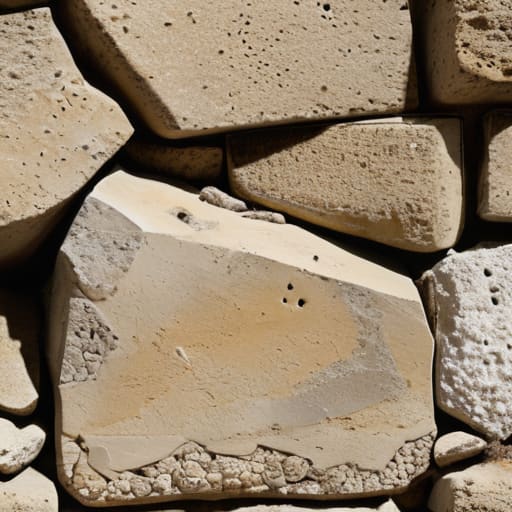
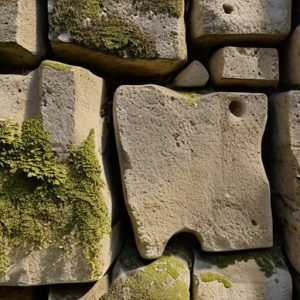
When I stand in a courtyard in Palermo, looking at a crumbling Baroque facade, I don’t just see the decay; I see the remnants of the original infrastructure funding mechanisms that allowed such ambition to exist. You can almost sense where the money was plentiful and where it was stretched thin. A thick, generous layer of lime mortar suggests a period of relative prosperity, whereas a sudden shift to a coarser, sand-heavy mix often marks the exact moment the coffers ran dry. It is a physical record of the tension between architectural intent and the reality of the purse.
This tension is even more pronounced when we look at modern public works procurement processes. In my surveys, I’ve seen how the pressure to meet a specific budget can dictate the very soul of a structure. When a contractor is forced to optimize for a razor-thin margin, you see it in the way the joints are cut—slightly more hurried, perhaps a fraction less precise. It isn’t just about the numbers on a spreadsheet; it is about how those numbers translate into the physicality of the stone. Every decision made during the budgeting phase eventually settles into the masonry, becoming a permanent part of the building’s DNA.
The Final Inspection
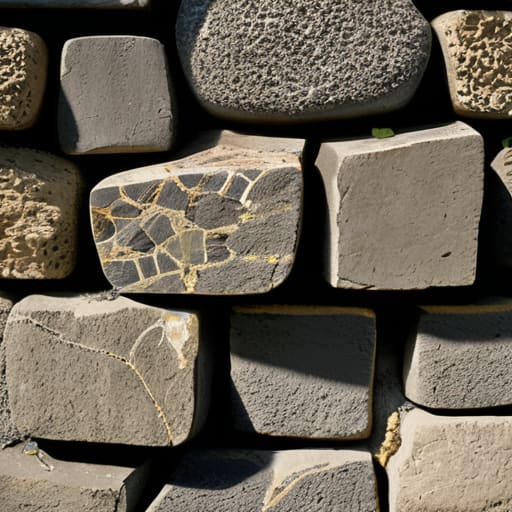
When we look back at the lifecycle of a public project, it is easy to get lost in the abstract math of interest rates and municipal bonds. But as we have seen, the true ledger is written in the physical reality of the site. The fiscal decisions made in a distant boardroom eventually manifest as the quality of the lime in a cathedral wall or the specific, perhaps hurried, way a stone was dressed to save on labor costs. Whether it is the heavy weight of state-funded Roman concrete or the lean, pragmatic masonry of a local village bridge, we must recognize that every budgetary constraint leaves a permanent mark on the built environment.
Ultimately, I want you to stop seeing public works as mere line items in a government audit. Instead, try to see them as a continuous, physical conversation between the wealth of an era and the hands of its builders. When you walk past a monument or a bridge, look past the aesthetic grandeur and seek out the evidence of the struggle—the places where the funding was ample and the places where it was thin. To understand a building is to understand the economic pulse of the people who dared to dream it into existence. We are not just looking at stone and mortar; we are looking at the fossilized decisions of history.