The Intentional Flaw: Finding the Ghost of Giulio Romano in the Fractured Joint
I was in Mantua last autumn, kneeling in the dust of a crumbling courtyard, when I saw it—a triglyph that looked as though it were sliding right off its support. Most tourists would have walked past, thinking it was just the inevitable decay of centuries, but I knew better. I felt that familiar, sharp itch in my hands that comes when you realize you aren’t looking at a structural failure, but at a piece of theater. This is the core of giulio romano and deliberate error; he wasn’t a clumsy mason, he was a provocateur. While art historians love to wrap his “mistakes” in layers of dense, academic jargon, I prefer to look at the actual stone. To him, a misplaced joint wasn’t a mistake to be fixed, but a calculated disruption designed to make the architecture feel alive, heavy, and dangerously human.
I’m not here to give you a lecture on Renaissance theory or recite names from a textbook. Instead, I want to show you how to read the masonry itself. We are going to look past the polished surface to find exactly where the tension lies, focusing on the physical evidence of his trickery. By the time we’re done, you won’t just see a building; you’ll see the intentionality behind every crack and every sagging lintel.
Table of Contents
Tracing the Ghost of Intentional Imperfection in Renaissance Art
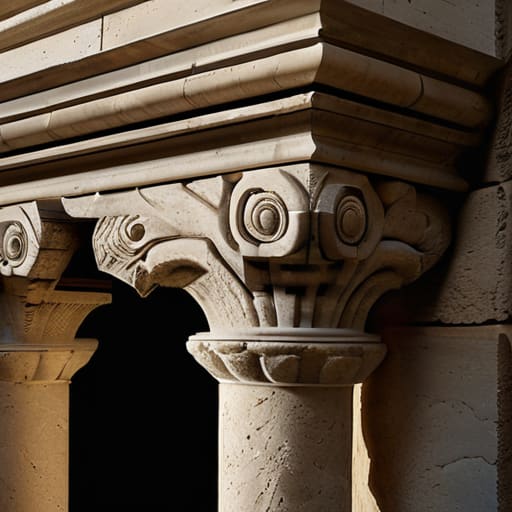
When I’m on-site, I often find myself tracing the edges of a heavy cornice or the way a column meets its base, looking for that specific moment where the logic of the stone seems to falter. In the context of Mannerist art techniques, this isn’t a sign of a tired mason or a lapse in measurement; it is a calculated disruption. You see it most clearly when studying the Palazzo Te architectural anomalies, where the heavy rustication doesn’t just sit on the wall—it feels as though it is actively sliding off, threatening to succumb to gravity. It is a profound artistic subversion of classical rules that forces you to stop looking at the grand facade and start questioning the very stability of the structure.
I’ve spent hours photographing the way Romano handled the transition between different stone textures, searching for that precise point of friction. He wasn’t interested in the seamless, effortless perfection of the High Renaissance; he wanted to manufacture visual tension in Mannerism by introducing a sense of unease. By placing a heavy element atop a seemingly fragile support, or by letting a triglyph slip slightly out of its rhythmic alignment, he creates a psychological weight. You aren’t just looking at a building; you are witnessing a deliberate struggle between the material and the eye.
When the Mortar Fails by Design
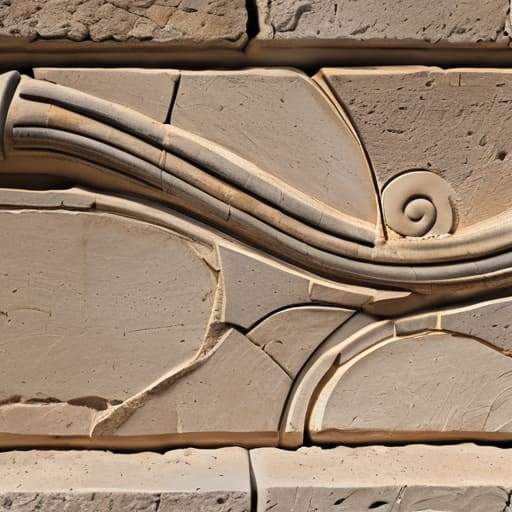
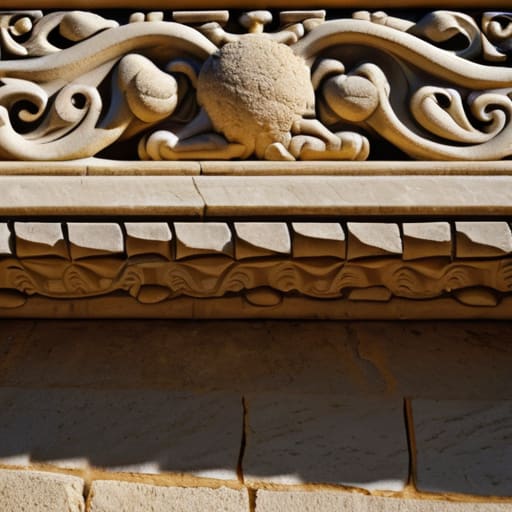
I was walking through the courtyard of Palazzo Te last Tuesday, and I found myself staring at a seam where the masonry meets the stucco—not because it was beautiful, but because it felt wrong. In a standard Renaissance construction, you expect the mortar to be a silent mediator, a clean, subservient bridge between heavy blocks. But here, Romano treats the joint like a punchline. He pushes the limits of visual tension in Mannerism by making the transition between stone and filler feel unstable, almost as if the building is gasping for air. It isn’t a failure of the craftsman; it is a calculated refusal to let the eye rest.
When you look closely at these Palazzo Te architectural anomalies, you realize the mortar isn’t just failing to hide the gap; it is highlighting the struggle. He uses these voids to suggest a weight that shouldn’t be there, or a structural logic that is slowly unraveling. This is the essence of his artistic subversion of classical rules. Most architects use mortar to create the illusion of eternal stability, but Romano uses it to whisper that everything—even the most massive stone lintel—is subject to a certain, beautiful instability. He doesn’t just build walls; he builds a sense of doubt.
The Architect’s Last Laugh
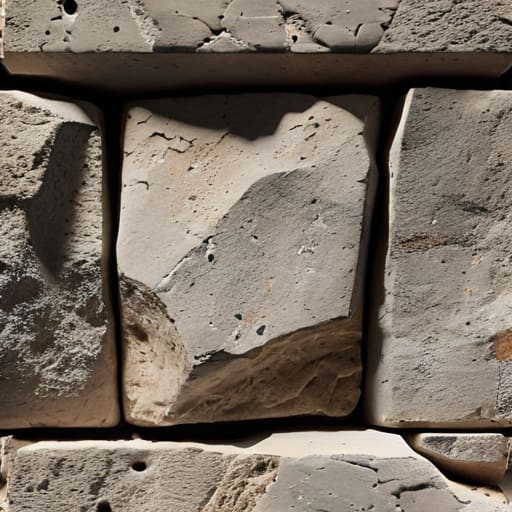
When I stand before a facade that seems to be sagging under its own weight, or when I trace a joint that refuses to sit flush, I no longer see a failure of masonry. Instead, I see the fingerprints of a man who understood that perfection is often a lie told by textbooks. By studying how Romano manipulated the expectations of tension and gravity, we see that his “errors” were actually a sophisticated language of intellectual subversion. He wasn’t just stacking stones; he was staging a performance where the mortar and the stone worked together to question the very stability of the Renaissance order.
So, the next time you are walking through a courtyard and you spot a column that seems to groan or a cornice that feels slightly askew, don’t just walk past it. Stop. Lean in. Look for the intentionality in the crack or the deliberate slip in the rhythm. These small, calculated deviations are where the building truly begins to speak to us. They remind us that architecture is not a sterile science of right angles, but a deeply human dialogue between the builder’s hand and the viewer’s eye. Sometimes, the most honest thing a building can do is refuse to be perfect.