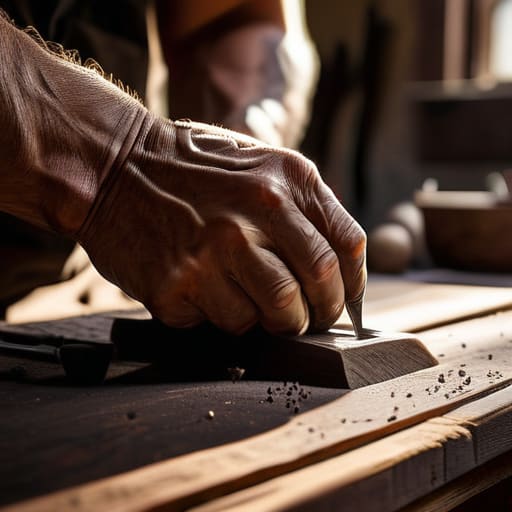
I was standing in a crumbling courtyard near Syracuse last autumn, watching a contractor shake his head at a lime-based mortar mix like it was a personal insult to his bank account. He kept muttering about how much faster the cement would set, as if speed were the only metric that mattered. People love to treat the cost of traditional methods as a sort of luxury tax—a ridiculous surcharge we pay just to feel “authentic”—but they almost always miss the math. They see the immediate invoice for skilled labor and slow-setting materials, but they are blind to the debt we accrue when we use modern shortcuts that are destined to fail within a decade.
I’m not here to sell you on a romanticized version of the past or to tell you that everything old is gold. What I want to do is pull back the curtain on the actual economics of stone, lime, and timber. I will show you where the real money is lost in the cracks of a poorly executed modern repair, and why investing in the right craftsmanship is often the only way to avoid paying for the same wall twice.
Table of Contents
The Hidden Tax of Slow Cured Mortar
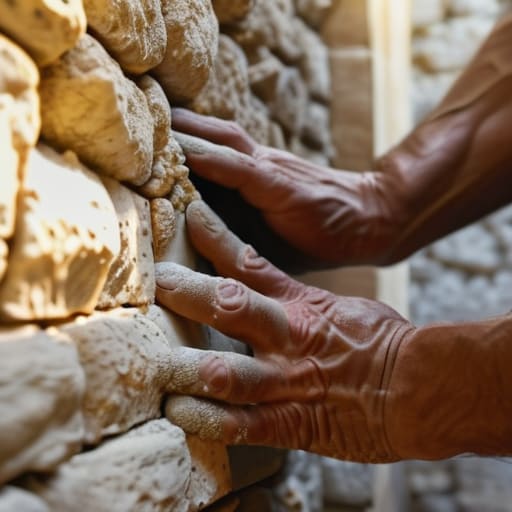
I was standing in a courtyard near Syracuse last Tuesday, watching a mason mix a lime-based mortar, and I couldn’t help but think about the sheer, agonizing patience required. In our modern world, we are obsessed with the immediate. We want the bond to set by sunset, the scaffolding down by Monday. But lime doesn’t work on a corporate schedule. It breathes; it carbonates; it waits for the atmosphere to finish what the hands started. When you look at a cost-benefit analysis of old methods, the math always looks “wrong” on a spreadsheet because it fails to account for the time required for chemical maturation.
The real issue isn’t just the labor; it’s the unforgiving rhythm of the material. If you rush a lime mortar, you aren’t just saving time—you are inviting structural failure. Modern cement-based shortcuts might offer a facade of speed, but they lack the breathability that allows a building to survive centuries of humidity. When we talk about the long-term financial implications of manual methods, we aren’t just talking about the wages paid to the craftsman today. We are talking about the avoidance of the catastrophic repair bills that come when a rigid, modern patch causes the surrounding ancient stone to crack under its own tension.
Where Resource Allocation in Traditional Processes Bleeds Gold
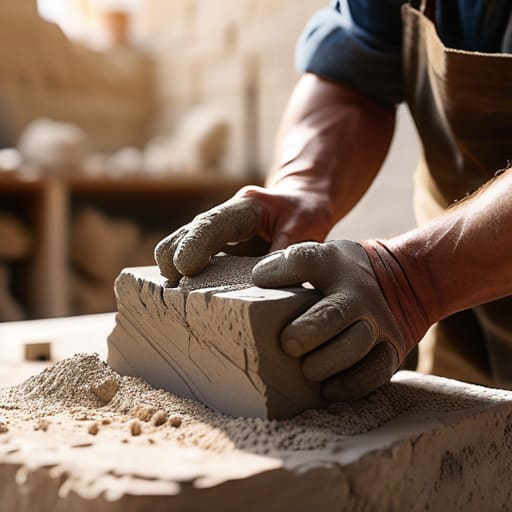
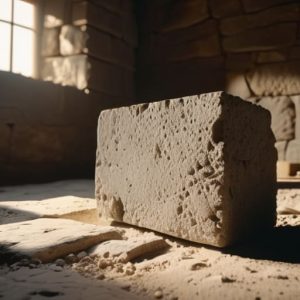
When we talk about the economic impact of legacy systems, we aren’t just talking about the price of the lime or the sand; we are talking about the unforgiving physics of time. In a modern site, you bring in a crane, a mixer, and a crew that follows a digital schedule. In a restoration, you are beholden to the rhythm of the materials themselves. If you are working with hand-cut travertine or a specific local volcanic tuff, you cannot simply order more from a catalog if you run short. You have to find the quarry, wait for the extraction, and then account for the transport. This specific type of resource allocation in traditional processes means that your budget isn’t a static number on a spreadsheet; it is a living, breathing entity that fluctuates with the availability of skilled hands and raw stone.
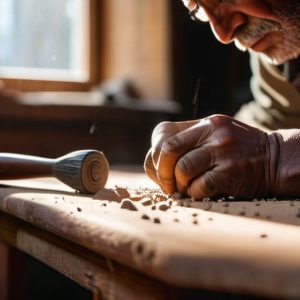
There is a certain bleed that occurs when you realize how much of your budget is swallowed by the logistics of precision. It isn’t just the material cost; it is the sheer operational expense of managing craftsmen who refuse to use a power saw because it would bruise the stone. You end up paying for the person who stands there for three hours, meticulously checking the plumb of a wall that a modern laser level would clear in seconds. It feels like waste to a developer, but to me, it is the only way to ensure the building survives another century.
The Ledger of the Long View
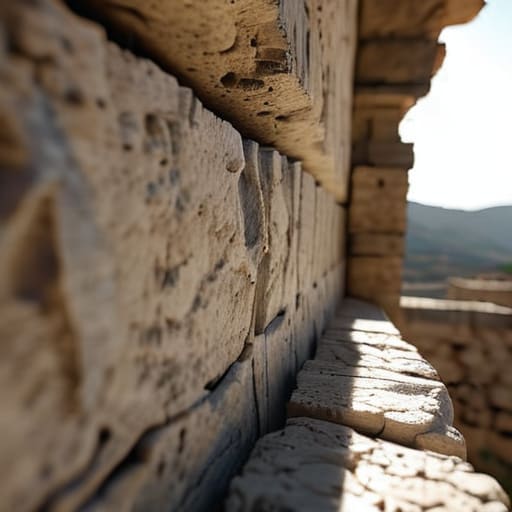
When we strip away the romanticism, we are left with a hard truth: traditional construction is a series of expensive, deliberate choices. Whether it is the slow, agonizing hydration of a lime mortar or the sheer man-hours required to hand-dress a block of travertine, these methods demand a level of capital that modern, rapid-fire construction simply refuses to acknowledge. We have spent the last century trying to optimize for speed, effectively erasing the labor-intensive costs that once ensured a building’s survival. But as I have seen in countless crumbling facades from Ravenna to Sicily, the “savings” found in quick-setting cements and standardized masonry are often a mirage; they are merely loans taken out against the building’s future, with interest paid in decay.
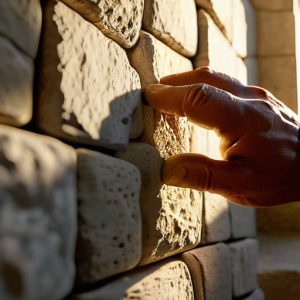
Ultimately, we have to ask ourselves what we are actually paying for. If we only look at the immediate invoice, the old ways will always seem like a fiscal error. But if you look at a joint that has held steady for four hundred years, you realize you aren’t just paying for stone and sand—you are paying for permanence. There is a profound, quiet dignity in a structure that was built to outlast its creators, even if it meant the builders had to work at the pace of the seasons rather than the pace of the clock. We must learn to value the integrity of the process as much as the finished silhouette, because a building’s true worth isn’t found in its budget, but in its ability to remain standing long after our own ledgers are closed.