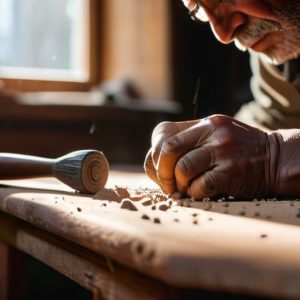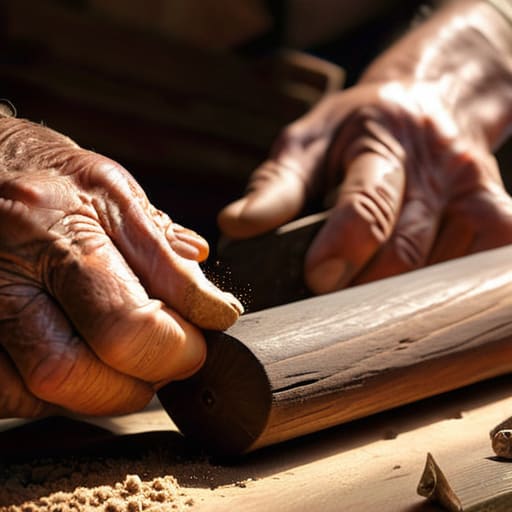
I remember standing in a dusty courtyard outside Syracuse last summer, watching a young apprentice try to mix a lime mortar while following a digital manual on a tablet. It was heartbreaking. There is this pervasive, modern delusion that training traditional crafts is something you can download or simulate through a high-tech seminar; we’ve become so obsessed with the theory of preservation that we’ve forgotten the tactile reality of it. You cannot learn the specific weight of a mallet or the way a certain limestone grain resists a chisel by staring at a screen. You learn it when your hands are tired, your lungs are full of stone dust, and you finally understand that the material is talking back to you.
I’m not here to sell you on some romanticized, expensive workshop series that promises “mastery” in a weekend. Instead, I want to talk about the grit required to actually bridge the gap between knowing a technique and feeling it in your bones. I will share what I have learned from twenty years of observing the hands of masters, focusing on the messy, unglamorous reality of how we pass these skills down. We are going to look past the polished finished product and focus on the actual mechanics of learning—the mistakes, the muscle memory, and the quiet patience required to keep these old conversations alive.
Table of Contents
The Weight of Heritage Skill Preservation
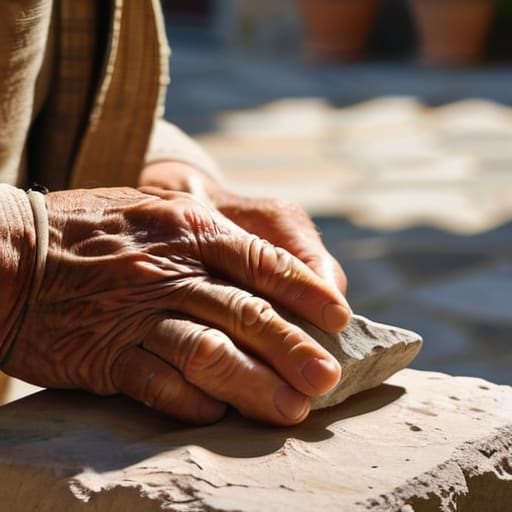
I remember standing in a small courtyard in Ortigia last spring, watching an elderly stonecutter work on a fragment of calcarenite. He wasn’t just hitting a chisel; he was listening to the stone. When we talk about heritage skill preservation, we often get lost in the lofty, academic language of “cultural assets,” but the reality is much more tactile. It is about the muscle memory required to know exactly how much pressure a mallet needs to exert before a piece of marble fractures incorrectly. If that specific, intuitive understanding isn’t passed down, we don’t just lose a job category; we lose a way of seeing.
This is why I find such little solace in purely theoretical textbooks. You cannot learn the nuance of a lime mortar mix by reading a chemical composition; you learn it through master craftsman mentorship, by feeling the grit between your fingers and watching how the consistency changes with the humidity of the morning. We are seeing a dangerous gap where the hands are forgetting what the eyes still recognize. Without robust artisanal apprenticeship programs that prioritize this kind of sensory, hands-on immersion, we are essentially sentencing our historic cities to a future of “looking right” while being structurally and soulfully hollow.
Listening to the Echoes of Ancient Techniques
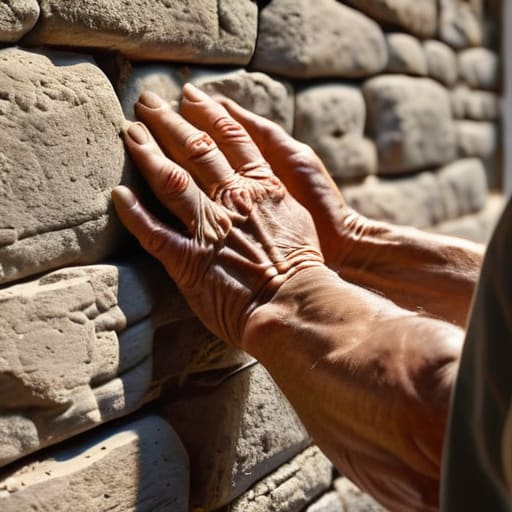
When I stand before a sixteenth-century facade in Ravenna, I am not just looking at stone; I am looking at a conversation. You can see it in the slight, intentional irregularity of a lime mortar joint or the way a specific chisel angle catches the midday sun. These aren’t mistakes. They are the signatures of someone who understood the material’s soul. However, that conversation is becoming a monologue. We are losing the ability to listen because the people who knew how to “speak” the language of stone and timber are passing away, leaving us with nothing but silent ruins.
This is why master craftsman mentorship cannot be relegated to a mere footnote in a conservation report. It is the only way to ensure that the tactile intelligence—that specific, muscle-memory understanding of how much pressure a piece of Travertine can take—is actually passed on. Without robust artisanal apprenticeship programs, we aren’t just losing jobs; we are losing the ability to read the very buildings we are trying to save. If we don’t bridge this gap, our future restoration work will be nothing more than a hollow imitation, a skin-deep application of modern materials that lacks the structural honesty of the original.
The Living Thread
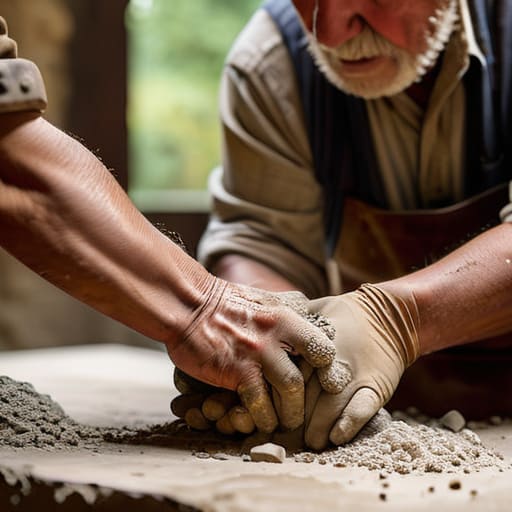
We cannot treat these skills as museum pieces, frozen behind glass and cataloged in dusty ledgers. To preserve the way a mason beds a stone or how a lime mortar is mixed, we have to accept that knowledge is a physical, unstable thing that only survives through repetition and the transfer of muscle memory. If we stop teaching the apprentice how to feel the resistance of the material, we aren’t just losing a technique; we are losing the ability to read the structural intent of the very buildings that shelter us. Conservation isn’t merely about applying a new layer of sealant; it is about maintaining the unbroken chain of human decision-making that has defined our landscape for centuries.
Ultimately, training the next generation is an act of profound respect for the hands that came before us. When I stand before a crumbling facade in Ravenna, I don’t just see decay; I see a conversation waiting to be continued by someone who knows the right tools to pick up. We must ensure that the silent language of the hands does not fall into a permanent hush. By investing in these crafts, we aren’t just looking backward at history—we are ensuring that the buildings of tomorrow possess the same soul and structural integrity as the masterpieces that have already stood the test of time.