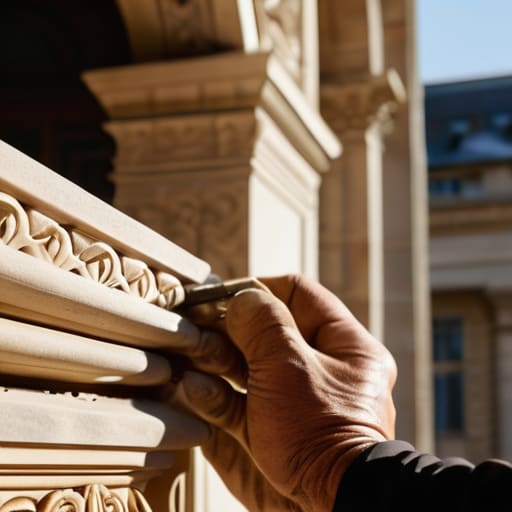
I was standing in a narrow alleyway in Palermo last Tuesday, squinting at a particularly stubborn patch of lime wash, when I realized how much we misinterpret what we see. Most people walk past a building and see a finished image—a pretty face or a grand statement—but they completely miss the actual logic of facades and their design. We have become obsessed with the “skin” of a building as if it were nothing more than a decorative sticker applied to a box. It frustrates me to see architects treat a facade as a mere aesthetic layer, ignoring the structural honesty of how the stone actually meets the frame.
I’m not here to talk to you about trends or how to pick a color palette that looks good on a digital render. Instead, I want to pull back that superficial layer and show you the bones. I promise to share what I’ve learned from twenty years of surveying crumbling masonry and tracing the hands of long-dead masons: a look at how materiality and assembly dictate the soul of a building. We are going to look past the surface to understand the real decisions that make a facade endure.
Table of Contents
The Intent Behind Building Envelope Aesthetics
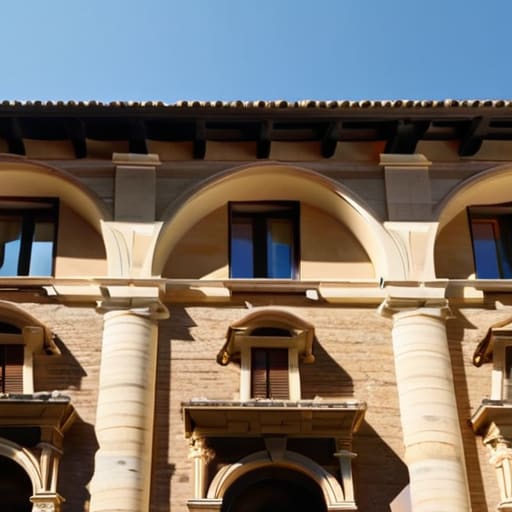
When I stand before a centuries-old palazzo in Ravenna, I don’t see a flat surface; I see a series of calculated decisions meant to guide the eye. The concept of building envelope aesthetics is often misunderstood as mere decoration, but for the master builders of the past, it was about managing how light and shadow interact with volume. They weren’t just covering a wall; they were creating a skin that breathes and reacts. You can see this in the way a lintel is slightly offset or how a cornice casts a specific shadow to define the building’s edge. It is a deliberate attempt to establish a visual hierarchy in architecture, ensuring that the most important structural elements—the portals, the windows, the heavy bases—command the viewer’s attention first.
This isn’t just about vanity; it is about the logic of the assembly. When we look at the way different materials meet, we are seeing the application of facade composition techniques that have remained consistent from the Renaissance to the present. Whether it is the heavy, grounding presence of rusticated stone or the delicate rhythm of a repetitive window bay, the intent is to provide a sense of stability and order. Even when I work with much more recent interventions, I look for that same underlying logic: does the surface tell you where the weight is being carried, or is it merely a mask?
Decoding the Truth of Architectural Facade Principles
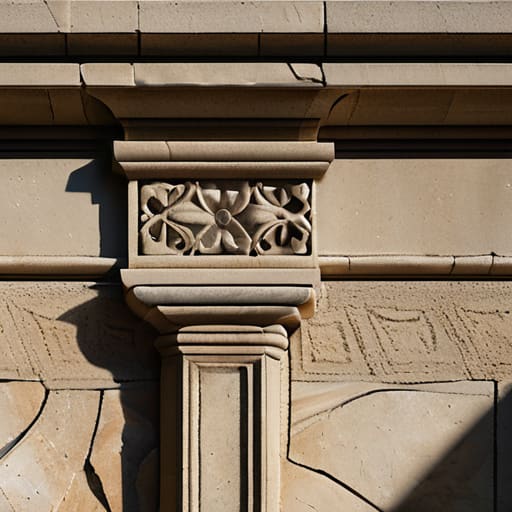
When I stand before a building, I am rarely looking at the overall silhouette first. My eyes immediately seek out the joints, the way the stone is dressed, and how the weight is distributed. To truly understand architectural facade principles, you have to stop looking at the building as a finished picture and start seeing it as a series of logical, often desperate, decisions. You see it in the way a lintel is seated or how a cornice casts a shadow to hide a structural flaw. The facade isn’t a mask; it is a mechanical solution that has been dressed up over centuries.
I often find myself tracing the rhythm and proportion in facades with my fingers, feeling for the transition between different eras of repair. There is a specific tension when a medieval stone base meets a much later, smoother Renaissance skin. It’s in these transitions that the real history lies. You can see where the original builders prioritized stability and where later generations prioritized vanity. Even when working with modern facade materials, like high-performance glass or composite panels, the fundamental logic remains: if the composition lacks a coherent visual hierarchy, the building will always feel “off,” no matter how expensive the materials are.
Beyond the Surface
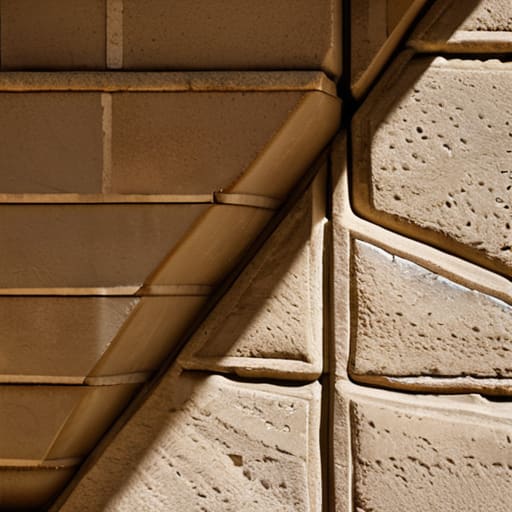
We have traced the lines from the initial intent of the architect to the physical reality of how those materials actually meet the light. A facade is never just a decorative screen; it is a complex negotiation between structural necessity and the cultural language of its time. Whether we are looking at the heavy, defensive masonry of a medieval fortification or the light, rhythmic play of a Renaissance palazzo, we see that the design is dictated by the very grain of the stone and the chemistry of the lime. To understand a facade, you must look past the ornament and see the logic of the assembly—the way the weight is distributed and how the joints were cut to endure the centuries.
The next time you walk through a city, I urge you to stop looking at buildings as mere backdrops for your life. Instead, lean in. Look for the slight irregularity in a mortar joint or the way a specific tool mark catches the afternoon sun. When you do this, the city stops being a static collection of walls and starts becoming a living document. Every building is a conversation between the hands that shaped it and the elements that test it, and if you listen closely enough to the stone, it will tell you exactly who it was meant to be.