I was standing in a damp, dimly lit sacristy outside Palermo last autumn, tracing the edge of a sixteenth-century saint, when I realized how much we misinterpret these walls. Most textbooks treat the fresco technique explained as if it were a simple recipe for mixing color and water, a sterile chemistry lesson that ignores the frenzy of the actual work. They forget that you aren’t just painting a surface; you are performing a high-stakes negotiation with time and moisture. If you miss your window, the pigment sits on top like dust rather than becoming part of the stone’s very soul.
I’m not here to give you a sanitized, academic lecture or a list of expensive pigments that won’t actually save a crumbling wall. Instead, I want to show you the physicality of the process—the way the lime breathes, the terrifying speed required to work the intonaco, and the specific decisions that separate a masterpiece from a fading memory. We are going to look past the finished image to understand the actual mechanics of how these colors were forced into a permanent pact with the plaster.
Table of Contents
The Decisive Wet Plaster Painting Process
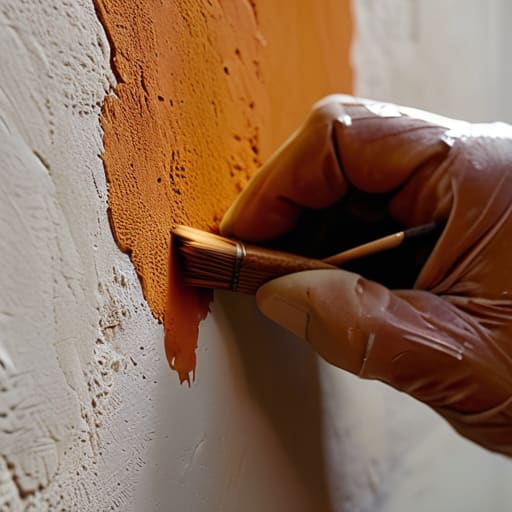
The real tension begins when the intonaco is laid down. It isn’t just a surface; it is a ticking clock. As a conservator, I’ve spent hours tracing the edges where a painter’s speed met the drying limit of the lime. This is the heart of the wet plaster painting process: the artist must work within the giornata, or the day’s work, before the surface loses its ability to bond. You aren’t merely painting on a wall; you are painting into it. The pigments are suspended in water and pushed into the damp, granular matrix, becoming an integral part of the structure rather than a layer sitting precariously on top.
The magic, or perhaps the science, lies in the fresco carbonation process. As the lime plaster reacts with the carbon dioxide in the air, a subtle but profound transformation occurs. The calcium hydroxide chemical reaction locks the pigment particles into a crystalline lattice of calcium carbonate. When I examine a well-executed Renaissance mural, I’m not just looking at color; I am looking at a stone-like seal. This is why we distinguish so sharply between buon fresco and secco—the former is a permanent marriage of pigment and stone, while the latter is a more fragile, later addition that lacks that deep, molecular embrace.
Unlocking the Calcium Hydroxide Chemical Reaction
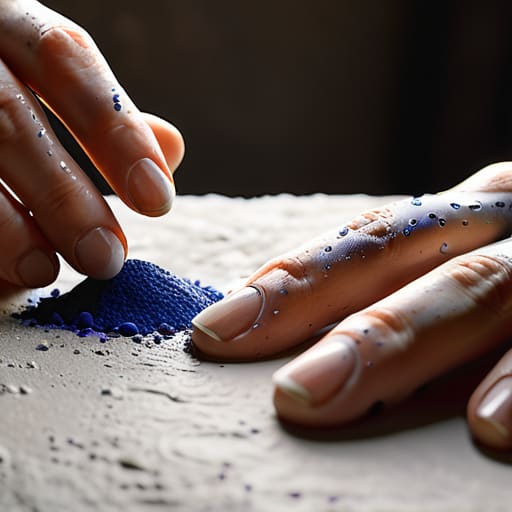
To understand why these colors refuse to flake away like common tempera, you have to look past the imagery and into the very chemistry of the wall. It isn’t just paint sitting on a surface; it is a structural transformation. When the artist applies pigment to the damp surface, they are initiating the calcium hydroxide chemical reaction. As the water evaporates, the lime reacts with the carbon dioxide in the air, effectively turning the pigment into a part of the stone itself. It is a moment of profound vulnerability where the artist is racing against the clock, working within the window of the fresco carbonation process.
This is the fundamental distinction in buon fresco vs secco work. In true fresco, the pigment is locked into the crystalline structure of the calcium carbonate as it forms. If you run your fingers—carefully, of course—over a well-executed Renaissance mural, you aren’t feeling a layer of dried film; you are feeling the skin of the building. When a painter fails to respect this timing, the pigment remains a mere guest on the wall, destined to peel. But when they master it, the color becomes permanent, a chemical marriage that has outlasted the very hands that mixed the lime.
The Imprint of the Maker
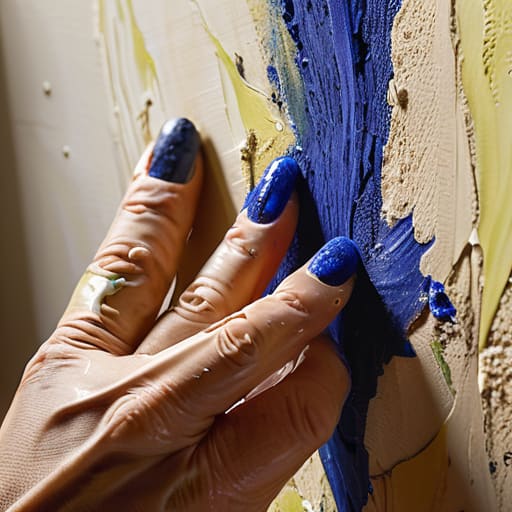
When we step back from a fresco, it is easy to be seduced by the narrative of the saint or the grace of the landscape, but we must remember that the beauty is secondary to the chemistry. We have traced the journey from the careful preparation of the arriccio to that frantic, beautiful race against the clock during the giornata. It is a process governed by the strict laws of calcium hydroxide and the drying time of lime, where a single mistake in the moisture content can mean the difference between a masterpiece and a flake of pigment falling to the floor. To understand fresco is to understand that the painting is not merely sitting on the wall; it is becoming part of the wall itself.
Next time you find yourself in a dim chapel or a sun-drenched villa, I urge you to stop looking at the subjects and start looking at the seams. Look for the edges where one day’s work meets the next, or how the pigment has sunk into the very grain of the lime. In those tiny transitions, you find the heartbeat of the artisan—the sweat, the timing, and the technical mastery required to turn mere stone into a living history. A building, and its skin, is a silent witness to the decisions of hands long gone, and it is our job to listen to what those marks are trying to tell us.