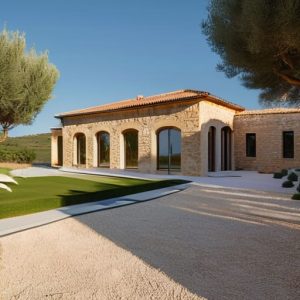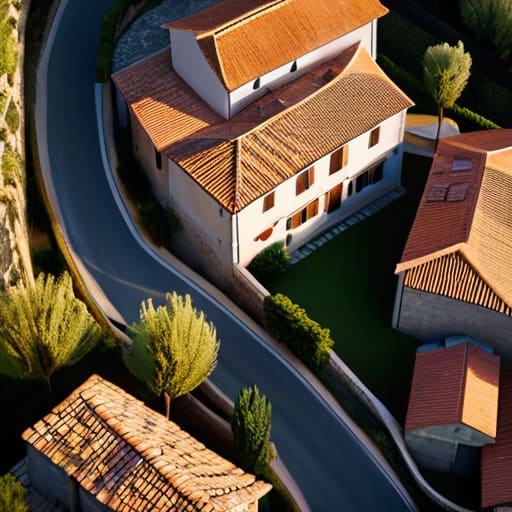
I was surveying a small, nineteenth-century farmhouse near Ravenna last Tuesday when I saw it: a jagged, ugly seam where a new housing development had simply slapped itself against the ancient boundary wall. There was no transition, no respect for the local limestone, just a hurried application of grey, industrial cement that looked more like a wound than a joint. This is the physical reality of suburban sprawl in italy—it isn’t just a change in the skyline, it is a violent interruption of our architectural history. We are losing the logic of the landscape to these anonymous, hollow shells that prioritize speed over the very soul of the masonry.
I am not here to give you a lecture on urban planning theory or recite statistics from a government report. Instead, I want to show you how to read these new developments like a map of our disappearing craftsmanship. I will walk you through the specific ways these sprawling peripheries are eroding our built heritage, from the shoddy mortar mixes to the loss of regional vernacular. My goal is to help you see the structural truth behind the mess, so we can finally understand what we are actually losing.
Table of Contents
The Unraveling of Italian Metropolitan Area Expansion
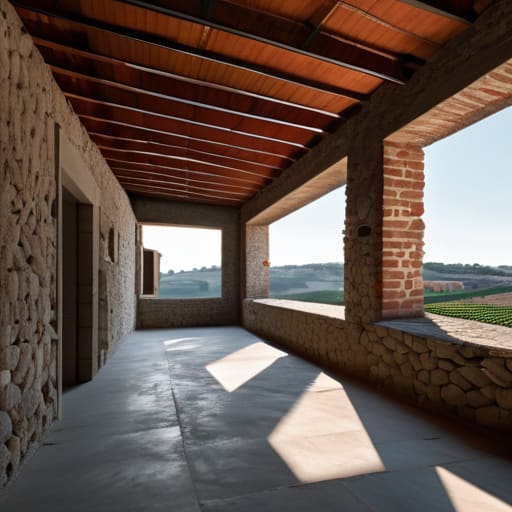
When I drive through the outskirts of Naples or the fringes of Milan, I don’t see a planned progression; I see a frantic, stuttering attempt to occupy space. This italian metropolitan area expansion feels less like growth and more like a leak. You see it in the way the heavy, industrial-grade concrete of a new warehouse is slapped directly against the dry-stone walls of a centuries-old farmhouse. There is no transition, no respect for the structural logic of the landscape. It is a series of disconnected islands—shopping centers, gated villas, and logistics hubs—stretching out into the countryside, leaving a trail of broken topography in their wake.
The real tragedy lies in the impact of peri-urban development on our local identity. In the past, even the most modest vernacular expansions followed the rhythm of the land, using local materials that breathed with the humidity of the plains. Now, we are witnessing a relentless pattern of land consumption and urban planning italy that favors speed over stability. We are building on soft ground with rigid, unyielding materials, creating a patchwork of surfaces that cannot manage rainwater or heat. It is a messy, uncoordinated sprawl that ignores the very bones of the territory it seeks to inhabit.
How Land Consumption and Urban Planning Italy Failed Our Soil
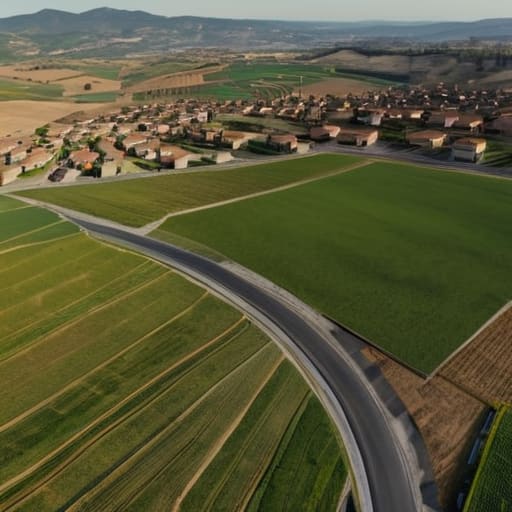
When I walk through the outskirts of any major city, from the plains near Milan to the coastal stretches of Campania, I don’t see “development.” I see a hemorrhage. We have treated our landscape like a blank sheet of drafting paper, forgetting that the soil beneath has a memory and a structure of its own. The sheer scale of land consumption and urban planning italy has struggled to manage is staggering; we are paving over the very permeability that once allowed our regions to breathe. Instead of the tight, rhythmic density of a historic center, we are left with a porous, chaotic mess of low-density housing that swallows hectares of arable land without ever creating a sense of place.
It is a technical failure as much as an aesthetic one. This impact of peri-urban development manifests in the way we’ve severed the natural drainage of the land, replacing ancient, slow-moving water cycles with rigid, poorly integrated drainage pipes that can’t cope with a single heavy storm. We are building on top of the earth rather than with it, creating a fractured patchwork where the infrastructure is perpetually playing catch-up. Every new, uncoordinated cul-de-sac is a wound in the landscape that we lack the collective will—or the technical foresight—to heal.
The Seam Between What Was and What Will Be
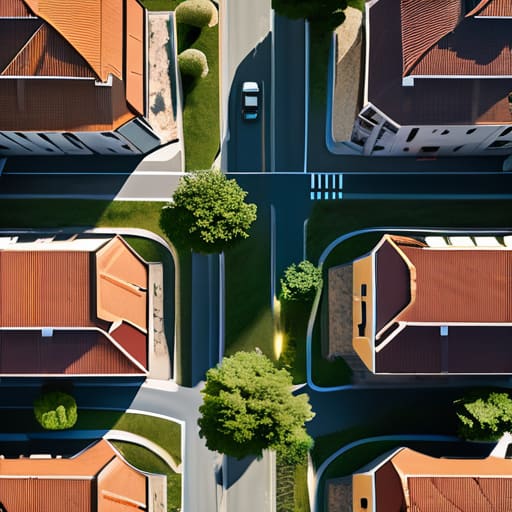
We have traced the fracture lines from the rapid, unplanned expansion of our metropolitan fringes to the systematic failure of land management that has left our soil gasping beneath layers of cheap, uninspired paving. It is not just a loss of landscape; it is a loss of tectonic integrity. When we replace the slow, deliberate layering of historical urbanism with this frantic, sprawling mess of disconnected residential blocks, we aren’t just building houses—we are breaking the continuity of the Italian territory. We have traded the thoughtful, enduring logic of the old city for a haphazard patchwork that lacks both soul and structural purpose.
But even in the middle of this sprawl, there is a way back. We must stop looking at the horizon as an empty space to be filled and start looking at the ground beneath our feet as a precious, finite resource. If we learn to value the intentionality of the joint—the way a new intervention must respect and integrate with the existing fabric—we might yet save what remains. Let us look closer at the edges, at the seams where the old world meets the new, and demand that our future builds with the same deliberate care as the masters who came before us.