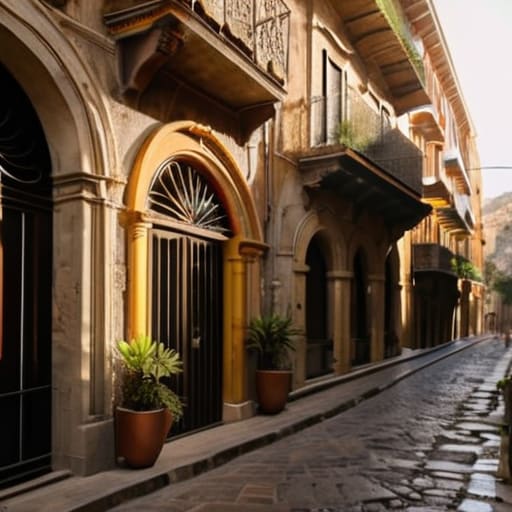
I was kneeling in the dust of a side street near the Quattro Canti last Tuesday, my knees aching against the uneven basalt, when I saw it: a tiny, jagged seam where a 12th-century limestone block had been shoved into a much later, much cruder brickwork repair. Most tourists walk right past these things, blinded by the gold leaf of the cathedrals, but to me, that single, messy joint is where the real truth of palermo and cultural layers actually lives. People want to talk about “grand historical transitions” and “architectural synthesis,” but those are just polite, academic words used to mask the fact that this city is essentially a beautifully violent collision of people trying to build on top of whoever came before them.
I am not here to give you a sanitized lecture on Mediterranean aesthetics or a list of monuments to check off your itinerary. Instead, I want to show you how to read the city like a technical drawing. I will teach you to look past the polished facades and instead focus on the scars in the masonry and the way different mortars fight for space. By the end of this, you won’t just see a city; you will see the decisions of the builders who left their fingerprints in the stone.
Table of Contents
The Palimpsest of Palermos Urban Archaeology
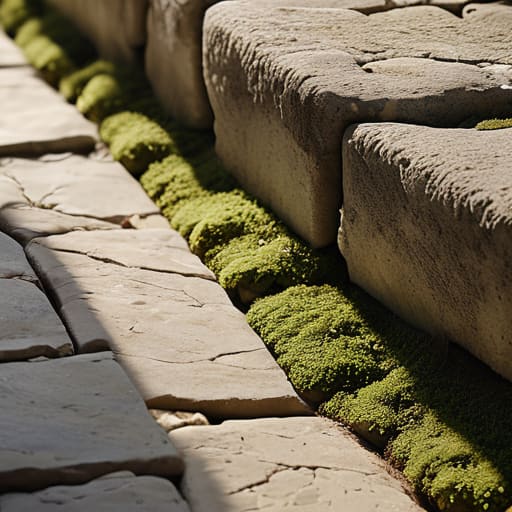
To walk through the Quattro Canti is not to walk through a planned square, but to step into a collision. When I am on-site, I often find myself ignoring the grand facades and instead kneeling to examine the transition points where the street level shifts. You can see the Palermo urban archaeology written in the very foundation of the buildings; it isn’t a clean progression, but a messy, vertical struggle. I’ve spent hours photographing the way a Byzantine-era footing has been forced to support a Baroque limestone block. There is a specific kind of tension in those joints—a refusal to let the past be fully erased.
This is the true essence of Sicilian Arab-Norman architecture. It isn’t just a stylistic label you find in a textbook; it is a physical reality of stone meeting stone. I look for the places where the pointed arches of the Fatimid influence are crudely, yet brilliantly, integrated into the heavy masonry of later eras. This multicultural heritage of Sicily isn’t found in a museum display, but in the way a mason in the 12th century had to decide whether to smooth over an existing wall or carve directly into the old grain. Every repair, every patch of lime mortar, is a decision made by someone trying to make sense of the ruins left by the person before them.
Where Mortar Meets the Mediterranean Melting Pot History
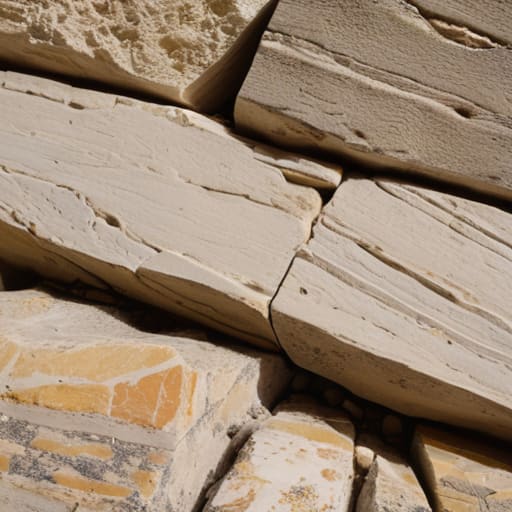
I often find myself kneeling in the dust of a construction site, not looking at the grand facade, but tracing the seam where a limestone block meets a fragment of reused Roman marble. In Palermo, these seams are where the Mediterranean melting pot history actually lives. It isn’t found in the history books, but in the chemistry of the bind. You see it in the way a heavy, coarse lime mortar—typical of local vernacular construction—is forced to accommodate the delicate, geometric precision of Fatimid-style stonework. It is a physical negotiation between different ways of seeing the world.
When you examine the Sicilian Arab-Norman architecture up close, the “melting pot” ceases to be a romantic metaphor and becomes a structural reality. You see it in the transition from the heavy, earthbound masonry of the early settlers to the soaring, light-filled arches that define the Norman era. There is a specific tension in those joints; a layer of crushed terracotta mixed into the mortar to give it more elasticity, a technique passed down through centuries of craftsmen who understood how the heat of the Sicilian sun would expand and contract these massive stone bodies. It is a silent, enduring conversation between builders who never met, yet shared the same stone.
The Lessons in the Stone
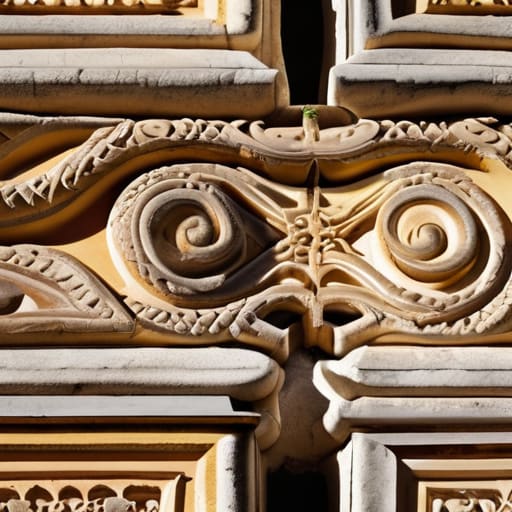
When you step back from the grand facades of the Quattro Canti or the soaring heights of the Cathedral, the true essence of Palermo reveals itself in the small, overlooked details. It is found in the way a Byzantine-era foundation provides the heavy, silent stability for a Baroque ornament, or how a single limestone block carries the chisel marks of three different civilizations. We have seen that this city is not a finished monument, but a continuous, living process of repurposing and reconciliation. To understand Palermo, one must stop looking for a singular architectural style and start looking for the seams where different eras collide, for it is in those junctions that the city’s actual identity resides.
Next time you find yourself wandering through the narrow capillaries of the Vucciria or standing before a crumbling courtyard, I urge you to look closer. Don’t just admire the silhouette; look at the joints. Look at the way the lime mortar has weathered, or how a modern repair has been clumsily—yet perhaps lovingly—wedged into a medieval wall. These are not just structural necessities; they are the physical fingerprints of human decision-making. If we learn to read these scars, we stop seeing buildings as static objects and begin to see them as living testimonies of everyone who ever called this island home.