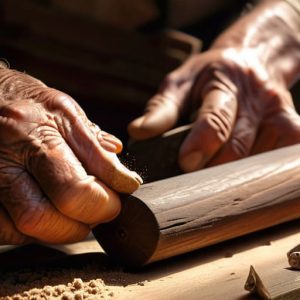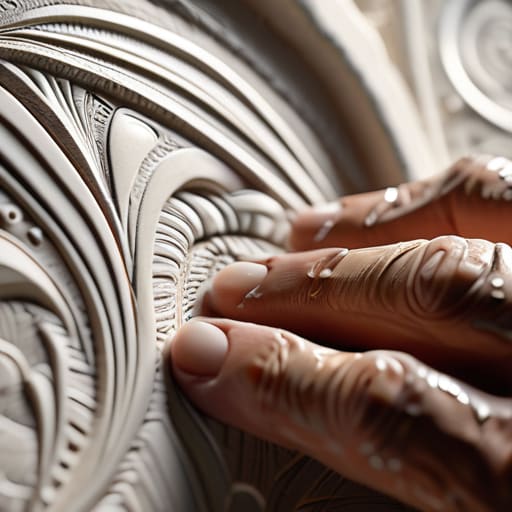
I remember standing in a damp basement in Ravenna last autumn, my flashlight catching the way a modern, synthetic coating was literally suffocating a sixteenth-century wall. It was heartbreaking. Everyone thinks they can just slap a thick, waterproof layer of something chemical over an old structure to “fix” it, but that is the fastest way to invite rot into the very bones of a building. Most people treat stucco and plasterwork as a mere cosmetic finish—a way to hide imperfections—when in reality, it is a breathing skin that must work in harmony with the masonry beneath it.
I am not here to sell you on expensive, trendy finishes or the latest “miracle” polymers that will crack in three years. Instead, I want to show you how to look at these surfaces through the eyes of a conservator. We are going to strip away the marketing hype and talk about the actual mechanics of lime, sand, and water. My goal is to help you understand the material logic behind traditional stucco and plasterwork so you can make decisions that respect the building’s history rather than fighting against it.
Table of Contents
The Rhythms of Exterior Stucco Application
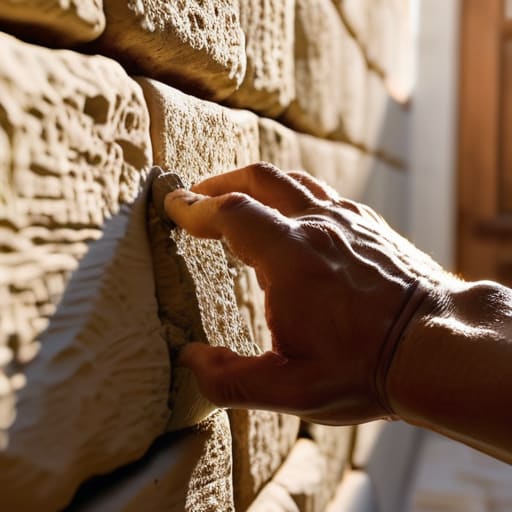
When I stand before a façade in the heat of a Sicilian afternoon, I don’t just see a flat surface; I see the physical record of a hand moving in time with the sun. Exterior stucco application is never a static event. It is a rhythmic, almost choreographic process. You can see it in the way the lime is pulled across the substrate—the thickness of the layer often tells you exactly how much the mason was fighting the humidity or the slope of the wall. There is a specific cadence to it, a steady, sweeping motion that ensures the moisture escapes properly through the breathability of the material rather than getting trapped behind a brittle shell.
If you look closely at the edges where the render meets a stone lintel, you’ll notice the subtle irregularities that no machine could ever replicate. This is where the true character of the building resides. In my work with traditional plaster restoration, I often find that modern, overly smooth finishes actually silence the building. A hand-applied layer has a slight, undulating topography that catches the light differently at dawn than it does at dusk. It’s this play of shadow and substance that gives an old palazzo its soul, turning a simple protective skin into something that feels alive.
Cracks and Crevices Reading the Surface
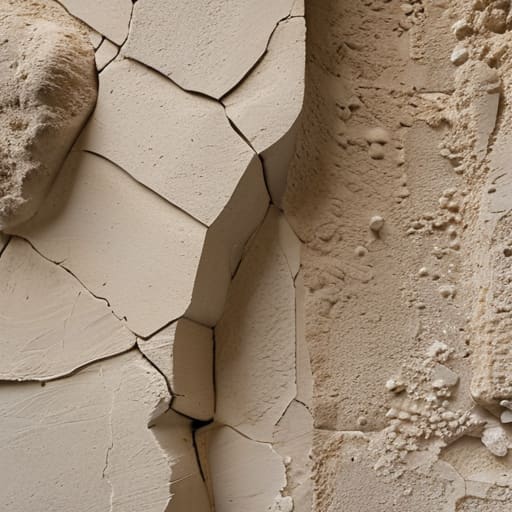
When I am standing before a facade that has weathered a century of salt air or mountain frost, I don’t look for the beauty of the color; I look for the failures. A hairline fracture is never just a crack; it is a diagnostic report. If I see a jagged, diagonal split traveling through the lime, I know the building is breathing—or rather, struggling to breathe—due to foundation settlement. But if the cracks are fine, web-like, and shallow, I am likely looking at the natural shrinkage of the material itself. In my work with traditional plaster restoration, I’ve learned that a perfectly smooth, unbroken surface can sometimes be a lie, masking a lack of depth or a modern, synthetic coating that has choked the stone beneath it.
I often find myself tracing the edges where an ornamental plaster moulding meets the flat expanse of a wall. This is where the tension lives. If the moulding is pulling away, it tells me about the bond, the moisture levels, and perhaps the haste of the original craftsman. I find a strange sort of poetry in these imperfections. Even when exploring delicate venetian plaster textures indoors, the way the light catches a slight unevenness reveals the hand of the person who troweled it. You aren’t just looking at a finish; you are looking at a record of movement and time.
Beyond the Surface
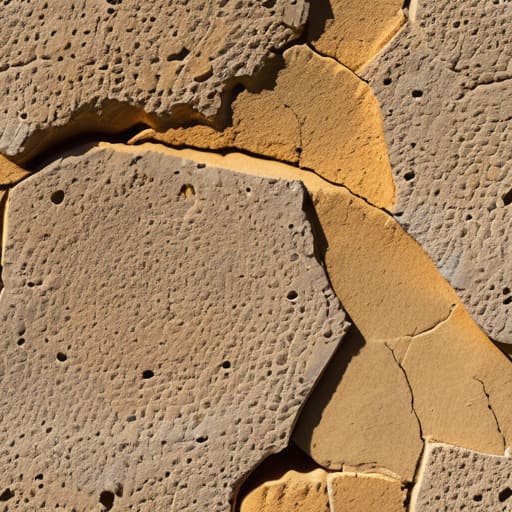
When we look back at what we have discussed, it becomes clear that stucco is never just a skin; it is a living, breathing record of intent. Whether we are tracing the deliberate, rhythmic trowel marks of a master craftsman or diagnosing the structural distress hidden within a web of hairline cracks, we are essentially reading a manual of human decision-making. We have seen how the composition of the lime and the method of application dictate how a building will age, breathe, and eventually respond to the passage of time. To ignore these details is to ignore the very skeleton of the architecture itself.
I often find myself lingering at a construction site long after the scaffolding has come down, just to catch the way the light hits a fresh coat of plaster. It reminds me that our work in conservation is not about freezing a building in a state of perfection, but about understanding the dialogue between material and maker. Next time you walk past an old facade, don’t just look at the color or the style. Stop. Look closer at the joints and the texture. If you listen closely enough to the way the mortar meets the stone, you will realize that the building is constantly telling you its story.