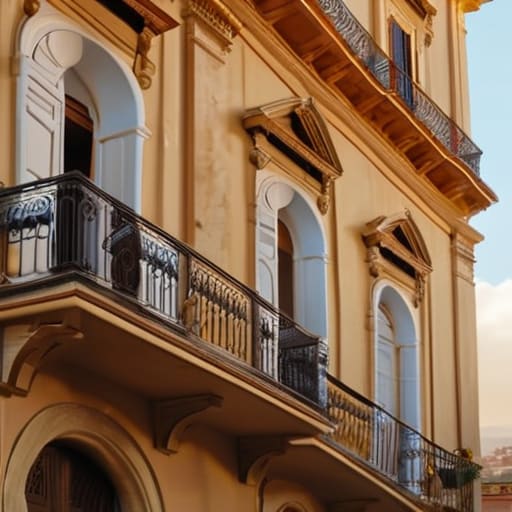
I was kneeling in the dust of a crumbling courtyard in Noto last spring, my fingers tracing a jagged fracture in a limestone corbel, when I realized how much we get wrong. Most guidebooks treat sicilian baroque after the earthquake as if it were some sudden, divine burst of aesthetic whimsy—a mere change in fashion. They want you to marvel at the gilded balconies and the theatricality of the facades, but they completely ignore the trauma written into the stone. They see the ornament, but they miss the way the builders had to rethink every single load-bearing joint to keep the next tremor from turning these churches into graveyards.
I am not here to sell you on the romanticism of a “golden age.” Instead, I want to show you how to read the scars. We are going to look past the superficial curves and examine the structural logic of this reconstruction—the specific mortars, the thickened masonry, and the way the very bones of the city were redesigned for survival. I will teach you to see the intentionality of the rebuild, so you can walk through a Sicilian piazza and actually understand how these buildings are still standing.
Table of Contents
The 1693 Val Di Noto Earthquake a Ruined Canvas
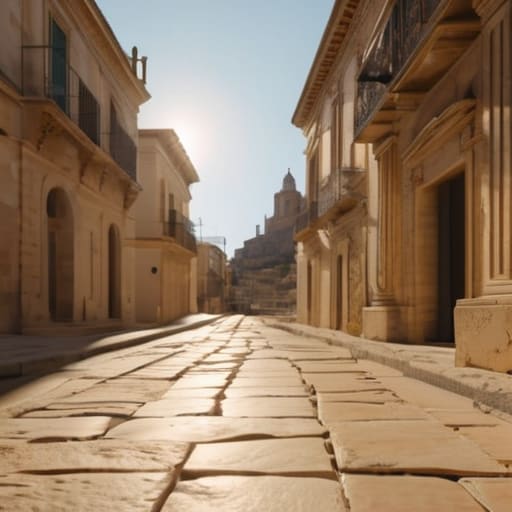
I remember standing in the center of Noto last spring, tracing a hairline fracture in a limestone plinth, and thinking about how much of what we see is actually a response to trauma. The 1693 Val di Noto earthquake wasn’t just a geological event; it was a violent erasure. In a single morning, the medieval fabric of the southeast was stripped away, leaving nothing but heaps of rubble and a terrifying, blank slate. When I look at these ruins—even the ones long since cleared—I don’t see just destruction; I see the moment the old logic of the city died.
The sheer scale of the devastation forced a complete reimagining of how people lived together. This wasn’t a simple repair job. The reconstruction of southeastern Sicily required something far more ambitious than just replacing what was lost. They had to invent a new way to organize space. You can see it in the way the streets suddenly widen and the squares begin to breathe; it was a deliberate move toward post-earthquake urbanism that prioritized sightlines and grand, theatrical movement. They weren’t just rebuilding walls; they were using stone to impose a new, rhythmic order on a landscape that had proven itself to be fundamentally unstable.
From Rubble to Grandeur the Rebirth of a Landscape
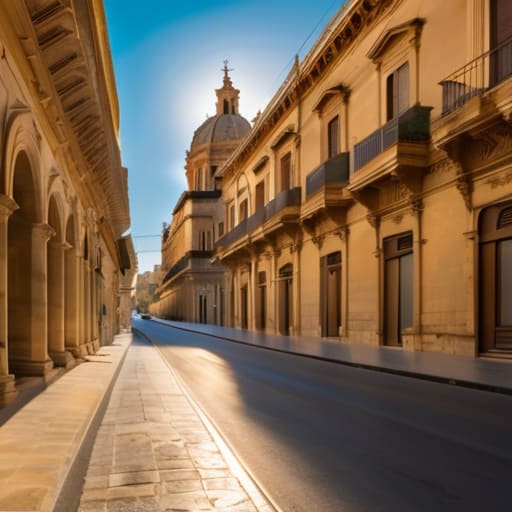
When I walk through Noto or Ragusa today, I don’t see a finished masterpiece; I see a massive, coordinated logistical puzzle. The reconstruction of southeastern Sicily wasn’t just about replacing what was lost, but about a fundamental shift in how space was understood. They moved away from the cramped, defensive medieval clusters and toward a sense of theatricality and breath. You can see it in the wide, sweeping street grids that were laid down almost immediately. This wasn’t accidental; it was a deliberate piece of post-earthquake urbanism designed to allow light to hit the facades and to provide clear lines of sight that the old, suffocating alleys never permitted.
The material itself dictated the rhythm of this rebirth. They turned back to the local honey-colored calcarenite, that soft, porous Sicilian limestone architecture that seems to glow when the sun hits it at a certain angle. Because the stone is relatively easy to carve when first quarried, the masons went wild. They didn’t just build walls; they sculpted them. I often find myself tracing the chisel marks on a corbel or a grotesque mask, thinking about the specific artisan who stood there in the 1700s, knowing they were part of something much larger than a single house. They were building a defiant, golden landscape out of the dust of the 1693 Val di Noto earthquake.
The Ghost in the Stone
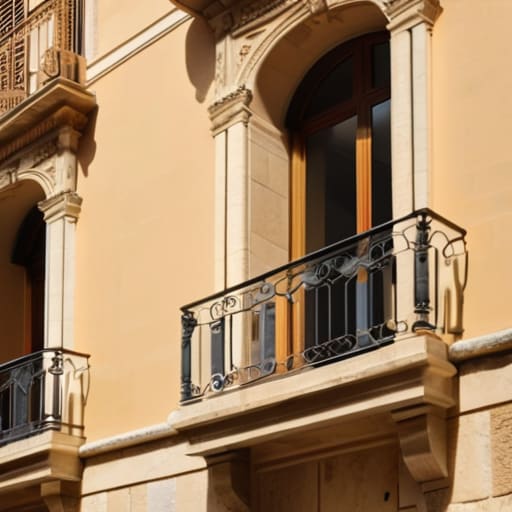
When I walk through Noto or Ragusa today, I don’t just see the theatrical facades or the sweeping staircases that tourists snap photos of. I see the technical response to a catastrophe. We see the transition from the rigid, vulnerable structures of the past to a style that embraced voluptuous, heavy curves and wider street grids—not just for beauty, but for survival. The limestone tells the story of a massive, coordinated effort to turn a landscape of broken rubble into a cohesive, rhythmic urban masterpiece. Every balcony, every grotesque mask, and every deep-set window is a testament to how a community decided to reconstruct their identity through the very medium that had just betrayed them.
Ultimately, the Sicilian Baroque is more than a chapter in an architecture textbook; it is a conversation between the earth and the hand of the mason. It reminds us that even when the ground itself decides to shift, the human impulse to create something enduring and defiant remains unshaken. Next time you find yourself tracing the grain of a weathered stone pillar, don’t just look at the ornament. Look at the way the joints meet and how the weight is distributed. You aren’t just looking at a building; you are looking at the scars of a recovery that refused to be silent.