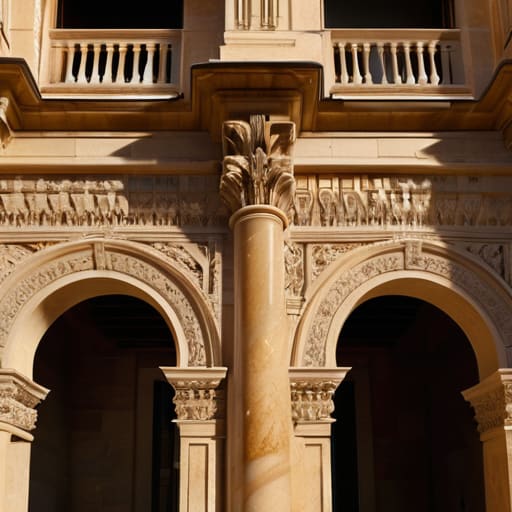
I was standing in the shadow of the Laurentian Library last autumn, tracing the way the stone seemed to buckle under the weight of its own elegance, when it hit me how much we get wrong. Most people approach the concept of michelangelo as architect through the lens of divine genius or sweeping, romanticized sketches, treating his buildings like untouchable masterpieces of pure thought. But that’s a lie that ignores the reality of the site. To me, his architecture isn’t found in the lofty theories of the Renaissance, but in the physical struggle between the stone and the man who refused to let it sit quietly.
I’m not here to feed you the usual biographical fluff or the polished myths found in art history textbooks. Instead, I want to take you into the grit of the construction—to look at the way he manipulated the very physics of the space to create tension where there should have been repose. We are going to look past the “genius” and focus on the structural decisions, the masonry, and the sheer, stubborn will required to make stone behave like a living thing.
Table of Contents
Carving Space Instead of Laying Brick
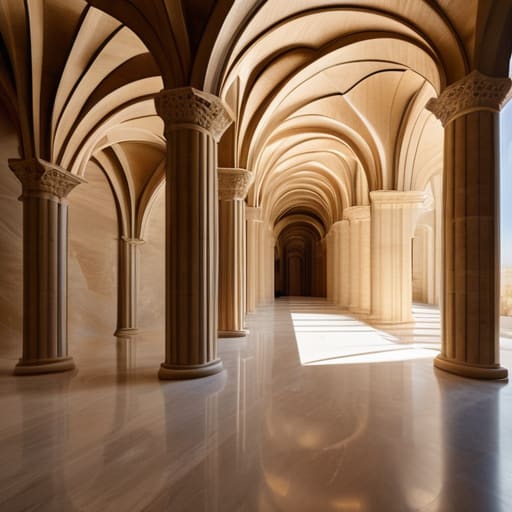
When most architects approach a site, they begin with the logic of the grid and the predictable stacking of materials. They think in terms of how much weight a column can carry or how many bricks are required to fill a void. But when I look at his work, I don’t see a builder following a plan; I see a man trying to liberate a room from the stone itself. He didn’t just design structures; he applied a sculptural approach to building that treated walls as if they were being carved out of a single, monolithic block rather than assembled from discrete parts.
You can feel this tension most acutely in the Laurentian Library design. Most architects would have used the vestibule to create a sense of stability, but Michelangelo used the columns to create a sense of unsettling movement. He crowds the stairs, he forces the columns into niches where they seem to have no structural purpose, and he breaks the traditional rules of the Renaissance architectural style just to see how much pressure the eye can take. He wasn’t interested in the easy harmony of a well-laid wall; he wanted to show you the struggle of the space, making the very air inside the room feel as heavy and intentional as the marble outside.
The Tension Held Within the Masonry
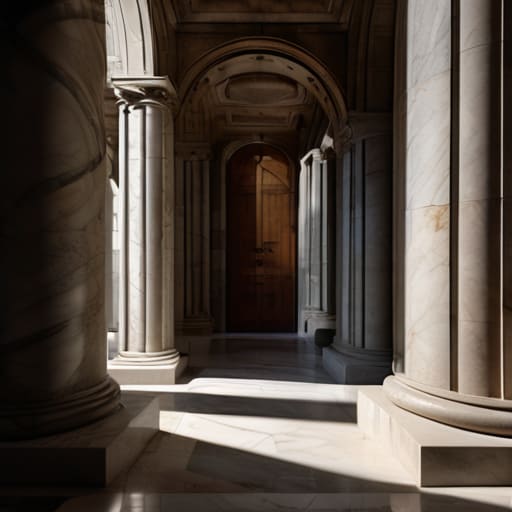
When I stand in the vestibule of the Laurentian Library, I don’t look at the grand scale of the room; I look at how the columns seem to fight the very walls they are meant to support. This is the essence of his sculptural approach to building. In most Renaissance architectural style, columns exist to provide a sense of calm, mathematical stability. But here, Michelangelo treats the stone as if it were under duress. He uses the pilasters not as structural necessities, but as psychological tools, creating a sense of compression that makes the marble feel alive, almost restless.
You can see this same restless energy in the way he handled the transition from structural logic to pure expression. He wasn’t interested in the polite, balanced proportions we often associate with his contemporaries. Instead, he introduced mannerist architecture elements that intentionally disrupt the viewer’s equilibrium. He pushes the stone to its breaking point, using recessed niches and heavy, oversized moldings to create shadows that feel heavy, almost physical. To him, a wall wasn’t just a boundary to hold up a roof; it was a surface to be carved, a mass to be wrestled into a state of permanent, beautiful tension.
The Ghost in the Masonry
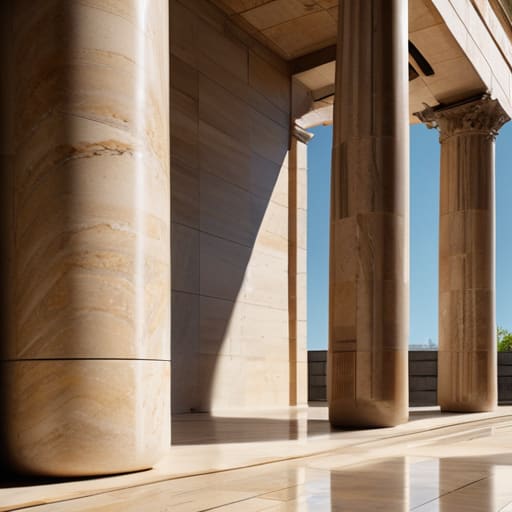
When we step back to look at the facade of the Laurentian Library or the sheer scale of the Capitoline, it is easy to get lost in the grand geometry. But as I have tried to show, Michelangelo’s true genius isn’t found in the silhouette; it is found in the defiance of the material. He didn’t just follow the rules of classical orders; he manipulated them, forcing columns into niches where they had no structural business being and pushing stone to mimic the elasticity of muscle. He treated architecture not as a series of static measurements, but as a living struggle between gravity and intent, leaving us with structures that feel less like they were built and more like they were exhaled into existence.
Ultimately, studying Michelangelo teaches us that a building is never truly finished once the scaffolding comes down. It remains a conversation between the architect’s will and the stubborn reality of the rock. The next time you walk through an old city, I urge you to stop looking at the decorative flourishes and start looking at the seams. Look at where the stone meets the air, where the weight is transferred, and where the craftsman had to fight to make the impossible stand. That is where you find the soul of the work—not in the perfection of the plan, but in the beautiful, violent tension of the execution.