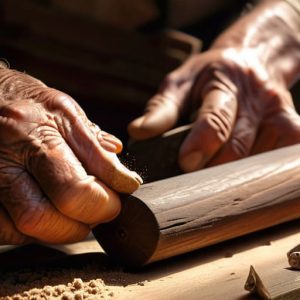
I was standing in a damp courtyard near Syracuse last autumn, watching a contractor prepare to blast away a layer of calcified lime to “clean up” a sixteenth-century facade. It was gut-wrenching. There is this pervasive, expensive myth in our field that restoration means making a building look new, as if a century of weathering is somehow a defect to be scrubbed away. People treat the minimal intervention principle like it’s a polite suggestion or a way to save money, when in reality, it is a rigorous discipline of restraint. When we over-clean or over-replace, we aren’t preserving history; we are just erasing the fingerprints of the people who actually built the thing.
I’m not here to give you a lecture on theoretical ethics or academic jargon that belongs in a dusty thesis. Instead, I want to talk about the actual, gritty reality of knowing when to put your tools down. I will show you how to read the stone and the mortar to decide where a repair is a necessity and where it is merely an ego-driven intrusion. We are going to look at how to respect the original maker’s intent by doing as little as possible, but as much as is truly required.
Table of Contents
Listening to the Silent Decisions of Stone and Mortar
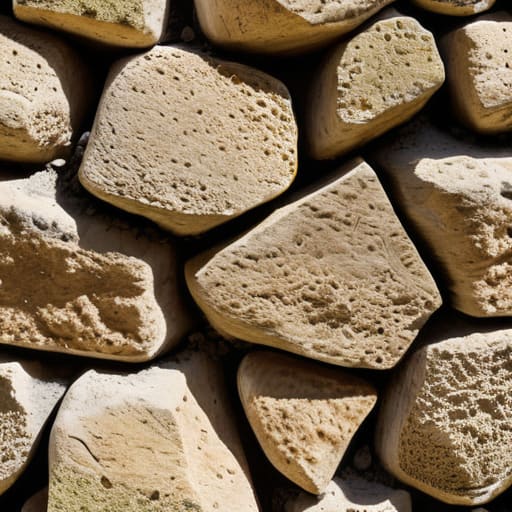
When I am on-site, kneeling in the dust of a sixteenth-century courtyard, I find myself looking less at the grand facade and more at the gaps between the blocks. Every joint is a conversation. If you rush in with modern, hard cement to “fix” a crumbling wall, you aren’t repairing it; you are suffocating it. You have to respect the preservation of natural structure by understanding how the original lime mortar was meant to move, to breathe, and to fail gracefully. A building isn’t a static object; it is a slow-motion event.
I often think of our work as a sort of conservative dentistry approach applied to stone. You don’t pull the tooth if you can save the root. Instead, we look for non-invasive treatment methods that stabilize the decay without erasing the hand of the mason. I’ve spent hours photographing nothing more than a weathered chisel mark or a slight shift in a foundation stone, because those tiny details tell me exactly how much stress the masonry can actually take. If we intervene too aggressively, we stop being conservators and start being actors rewriting a script that was finished centuries ago. We must learn to listen to what the stone is actually asking for.
The Weight of Every Unnecessary Cut
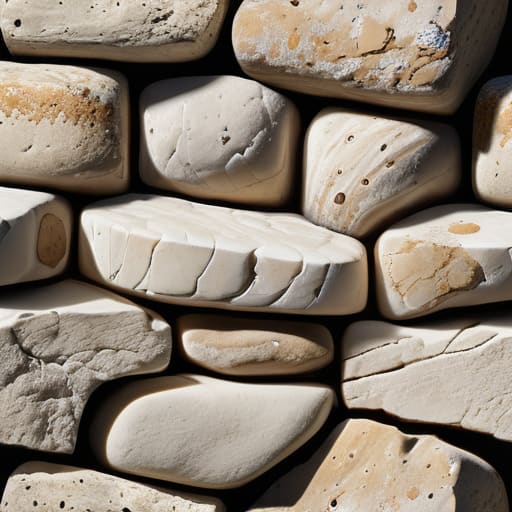
I often see young restorers arrive at a site with a hunger to “fix” things—to scrub, to replace, to make everything look uniform and new again. But there is a specific kind of violence in a clean surface that has lost its history. Every time we decide to swap a weathered piece of travertine for a pristine slab, we aren’t just replacing stone; we are erasing the evidence of the climate, the local quarry’s specific grain, and the hand of the original mason. It reminds me of the conservative dentistry approach used in medicine; you don’t drill away healthy tissue just because there is a small shadow on the X-ray. In architecture, we must prioritize the preservation of natural structure over our own desire for aesthetic perfection.
When we over-intervene, we introduce new stresses into an old system. A new, overly hard cement mortar injected into a soft, medieval brick wall is a death sentence for that wall; it forces the moisture to move elsewhere, often causing the original material to crumble from the inside out. Instead, I find myself leaning toward preventative care strategies—monitoring the way water moves across a cornice or how a crack breathes with the seasons. We have to learn that sometimes, the most professional thing we can do is to step back and let the building exist in its own weathered state.
The Integrity of the Unfinished
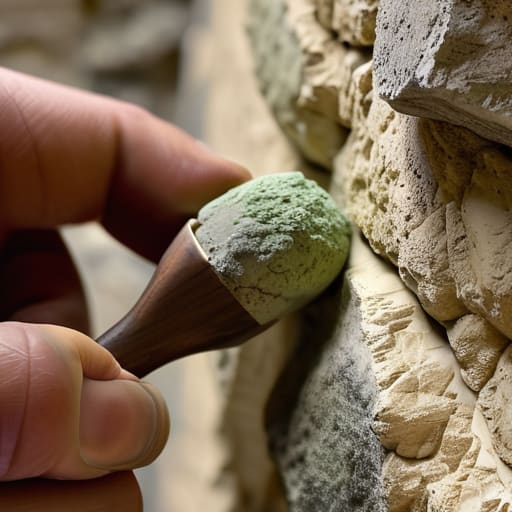
At the end of the day, conservation isn’t about making a building look “new” or erasing the scars of its survival. We have to remember that every time we introduce a modern patch or a synthetic resin, we are adding a layer that wasn’t invited to the conversation. By prioritizing the minimal intervention principle, we respect the original logic of the structure—the way the lime mortar was mixed, the way the stone was bedded, and the way the weight was distributed. Our job is to stabilize the narrative, not to rewrite the ending with materials that might fail or, worse, choke the very stone they were meant to protect.
I often find myself standing in a quiet courtyard, tracing a weathered joint with my fingers, and realizing that the building’s beauty lies in its vulnerability. To preserve a site is to accept its aging process as a legitimate part of its history. We aren’t just curators of stone; we are stewards of time itself. If we can learn to step back and let the building speak through its cracks and its weathered edges, we ensure that the decisions of those long-dead masons remain audible for the next generation to hear. True mastery is knowing when to put your tools away.