I remember standing in a narrow alleyway in the heart of the city after the 2009 tremor, my fingers tracing the jagged edge of a limestone lintel that had been sliced clean by the movement. Everyone around me was talking about “modernization” and “seismic safety standards” as if they were magic spells, but all I could see were the broken connections where the old masonry had simply given up. People often approach laquila and rebuilding questions by looking at glossy architectural renders of what could be, completely ignoring the structural honesty of what was. They treat reconstruction like a cosmetic procedure, when in reality, it is a brutal, necessary conversation with the earth itself.
I am not here to sell you on the dream of a “new” city that lacks a soul. Instead, I want to pull back the scaffolding and look at the material reality of how we piece a community back together. I will guide you through the technical mess of mortar compatibility, the risks of using too much reinforced concrete in historic zones, and the subtle ways a building’s integrity is either saved or lost during a retrofit. We are going to look past the hype and focus on the structural truth of the stone.
Table of Contents
Tracing the Fault Lines in the Laquila Earthquake Recovery Process
Tracing the Fault Lines in the L’Aquila earthquake recovery process
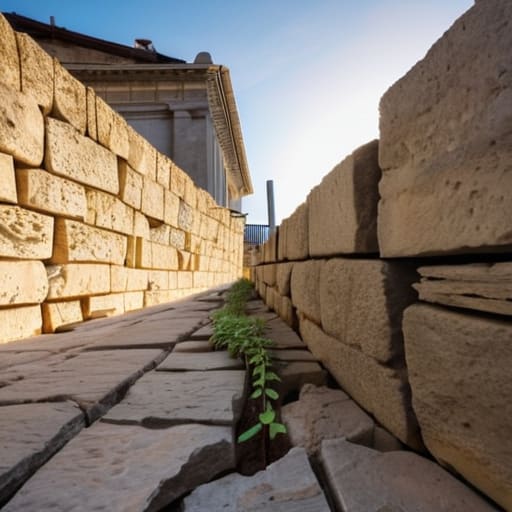
When I walk through the center of L’Aquila now, I don’t just see the finished facades; I see the hesitation in the masonry. You can tell where a structural intervention was rushed by the way the new lime mortar meets the old, weathered stone. There is a palpable tension between the need for speed and the necessity of respect. Many of the post-earthquake urban reconstruction challenges aren’t actually technical—they are philosophical. We are trying to stitch a living city back together using modern seismic safety building regulations Italy mandates, but sometimes the “fix” feels like a graft that the body is trying to reject.
I often find myself staring at the seams where new reinforced concrete meets historical rubble masonry. It’s a difficult marriage. The L’Aquila earthquake recovery process has been caught in a constant tug-of-war between preserving the tectonic soul of the city and meeting the rigid requirements of contemporary safety codes. If we prioritize the code so heavily that we lose the way the stone breathes, have we really rebuilt the city, or have we merely constructed a safe imitation? To me, the real story is in those awkward, forced joints where the old world meets the new.
Where the Mortar Fails Post Earthquake Urban Reconstruction Challenges
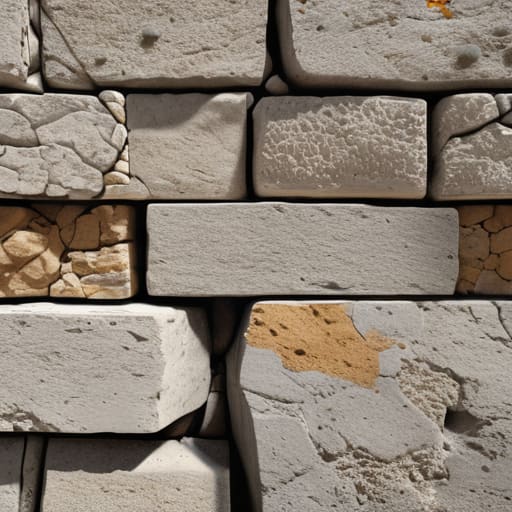
When I stand before a wall that has been patched after a seismic event, I don’t look at the color of the stone; I look at the interface where the old meets the new. In the context of the L’Aquila earthquake recovery process, we see a recurring, painful tension between structural necessity and historical integrity. Too often, the rush to stabilize leads to a “sandwich” effect—injecting modern, rigid resins or cementitious grouts into ancient, flexible masonry. This is a fundamental error. If the new mortar is harder than the original lime-based binder, it won’t move with the building during the next tremor; instead, it will act like a wedge, forcing the historic stones to crush themselves against the very material meant to save them.
This technical mismatch is one of the most overlooked post-earthquake urban reconstruction challenges facing our field. We aren’t just fighting gravity; we are fighting the chemical incompatibility of centuries. When we apply modern seismic safety building regulations Italy mandates, we often forget that compatibility is as vital as strength. If we lose the breathability of the wall, we invite moisture to trap itself behind the new reinforcements, rotting the core from the inside out. We must learn to repair with the same logic the original masons used, rather than trying to overwrite their craftsmanship with sheer, unyielding force.
The Lessons in the Stone
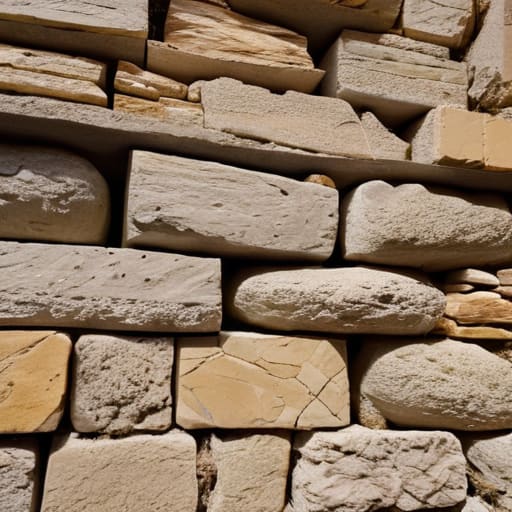
We cannot view the reconstruction of L’Aquila merely as a series of logistical hurdles or economic debates; it is a physical record of how we choose to remember. From the way the new masonry interacts with the surviving medieval fabric to the specific chemical composition of the mortars used to patch the old scars, every decision leaves a mark. If we prioritize speed over the integrity of the joint, we aren’t just rebuilding a city; we are erasing the very structural logic that allowed these buildings to stand for centuries. We have seen that when the connection between the old and the new is forced or superficial, the building loses its ability to breathe and, ultimately, its ability to endure.
Ultimately, my work has taught me that a city is never truly finished; it is a continuous, living conversation between the hands of the past and the hands of the present. As I walk through these streets, I don’t just see ruins or new facades; I see the unfolding narrative of resilience written in lime and stone. We must approach every repair not as a way to hide the damage, but as an opportunity to honor the original craftsmanship while adding our own chapter. If we look closely enough at the seams, we realize that the true strength of L’Aquila lies not in the perfection of its walls, but in the wisdom of its repairs.