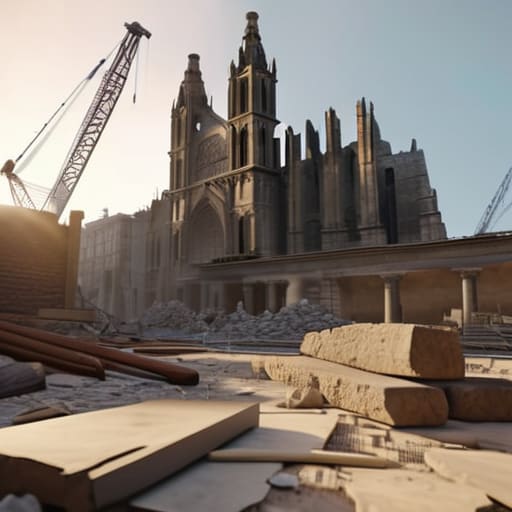
I was standing in a narrow alley in Amatrice last spring, my fingers tracing the jagged edge of a broken lintel, when I realized that most of the talk around earthquake reconstruction debates is nothing more than expensive noise. Politicians love to argue about grand masterplans and high-tech seismic isolators that look great in a glossy brochure, but they rarely talk about the soul of the masonry. They treat a collapsed village like a math problem to be solved with steel and concrete, completely ignoring the fact that if you replace traditional lime-based systems with rigid, modern materials, you aren’t rebuilding—you’re just creating a different kind of trap.
I’m not here to give you a lecture on theoretical structural engineering or to recite government white papers. Instead, I want to pull back the curtain on what actually happens when the dust settles and the heavy machinery arrives. I will show you why the most important decisions aren’t made in a boardroom, but in the microscopic space between a stone and its mortar. We are going to look at the real mechanics of survival, focusing on how we can honor the original craftsmanship while ensuring these buildings actually breathe when the earth moves again.
Table of Contents
Tracing the Scars of Urban Planning After Natural Disasters
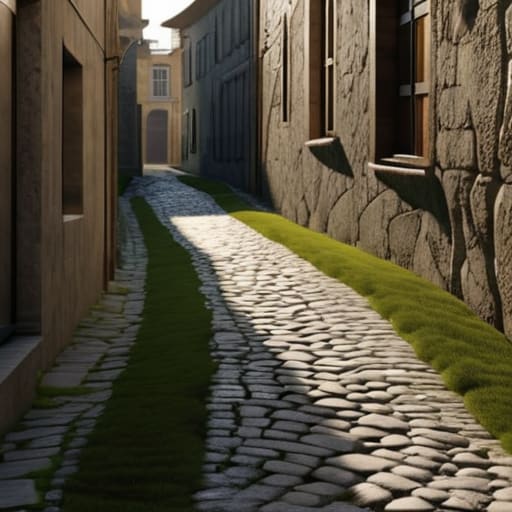
When I walk through a town that has been partially rebuilt after a tremor, I don’t look at the new facades first; I look at the gaps. There is a specific, painful geometry to a city trying to decide what it wants to be. You see it in the way a new, wide asphalt road abruptly cuts through a medieval street pattern, or how a modern concrete block sits awkwardly against a limestone wall that has held its ground for four centuries. This is the visceral conflict between modernization and tradition playing out in stone and streetscape. It isn’t just about aesthetics; it is about whether we are erasing the very DNA of the place in the name of “efficiency.”
We often talk about safety as if it were a purely structural calculation, but the way we reshape a neighborhood dictates how people will actually live there. If we prioritize rapid, modular construction over the slow, careful repair of existing masonry, we risk destroying the post-disaster community identity that makes a place feel like home. A city isn’t just a collection of seismic-resistant shells; it is a continuous conversation between generations. When we ignore the historical grain of a street to make it “easier” for heavy machinery, we aren’t just rebuilding—we are rewriting the story, often with a very blunt pencil.
When the Rebuilding Blueprint Ignores the Old Stones
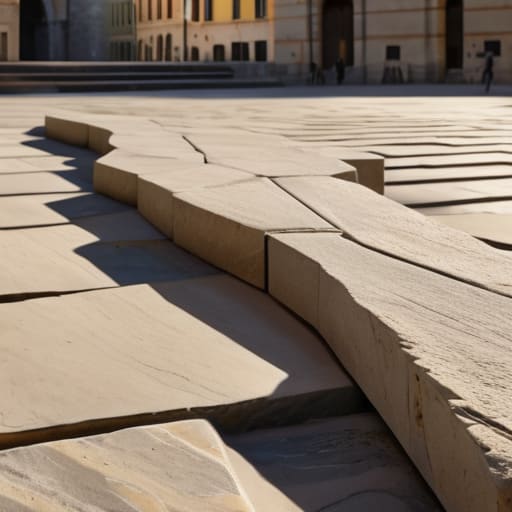
I spent last Tuesday in a small piazza in Amatrice, tracing the edge of a fallen lintel. The stone was local calcarenite, pitted by centuries of wind, but the way it had been dressed—the rhythmic, diagonal tool marks left by a mason’s chisel—spoke of a specific, local logic. Now, looking at the new structural blueprints being proposed for the center, I feel a familiar tightening in my chest. There is a growing conflict between modernization and tradition that goes far beyond aesthetics. When we replace a load-bearing stone wall with a standardized, reinforced concrete shell, we aren’t just changing a material; we are erasing the architectural vocabulary that told the community who they were.
The danger in these rapid-response phases is the temptation to prioritize speed over structural intelligence. If we treat every site as a blank slate, we ignore the very lessons the ruins are trying to teach us. True cultural heritage preservation in reconstruction isn’t about freezing a building in amber; it is about understanding how the old joints distributed stress and finding a way to marry that wisdom with modern seismic requirements. If the new blueprints ignore the soul of the old masonry, we might end up with buildings that are technically “safe” but utterly devoid of the character that makes a place worth living in.
The Choice in the Dust
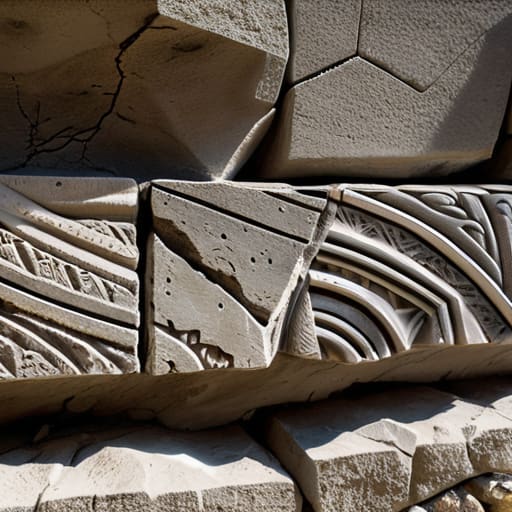
At the end of the day, the debate isn’t about which aesthetic we prefer or which contractor is cheapest; it is about the fundamental tension between speed and structural integrity. We have seen how ignoring the original logic of a building—the way a specific lime mortar breathes or how a stone lintel distributes weight—only sets the stage for the next catastrophe. If we treat reconstruction as a mere exercise in filling gaps on a map, we aren’t actually rebuilding; we are simply creating temporary facades that lack the wisdom of the centuries they are meant to replace. We cannot afford to treat the lessons written in the rubble as mere inconveniences to our modern timelines.
I often find myself standing in the middle of a site, running my fingers over a broken joint and wondering if the next generation will understand why we made the choices we did. We have a responsibility to the hands that came before us, and more importantly, to the hands that will come after. When we rebuild, let us not just aim for stability, but for a continuity of craft. If we listen to what the stones are telling us, we might finally learn to build structures that don’t just survive the earth’s movements, but respect them.