I was standing in a drafty, half-renovated palazzo in Palermo last autumn, staring at a structural intervention that was being hailed in the journals as a masterpiece of “innovation.” It was nothing more than a clumsy, expensive attempt to force a sleek, geometric aesthetic onto a building that was clearly screaming in protest. People love to use the term radical design movements to dress up what is often just a violent disregard for the logic of the existing fabric. They talk about breaking boundaries, but they rarely talk about the cost of that breakage—the way a misplaced steel beam can silence the centuries of masonry work that came before it.
I have no interest in the glossy, theoretical nonsense that fills most architectural magazines. Instead, I want to show you how these radical design movements actually behave when they hit the real world of stone, lime, and gravity. We are going to look past the manifesto and the hype to examine the actual mechanics of these shifts. I will show you where the intent meets the material, and how to tell if a designer is truly pushing the envelope or simply failing to respect the joinery.
Table of Contents
The Violent Break From Functionalist Orthodoxy
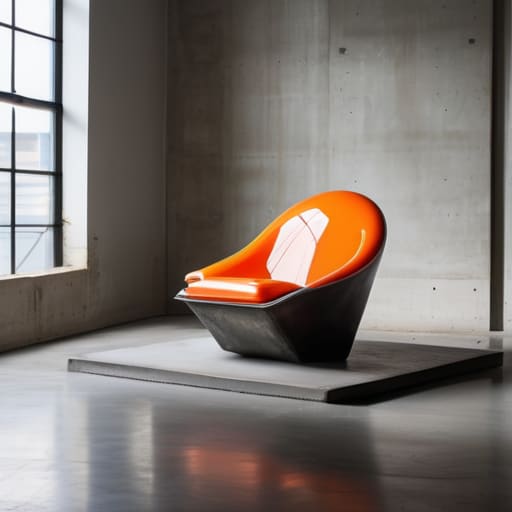
To understand this shift, you have to look past the polished surfaces of the mid-century and focus on the friction. By the late 1960s, the clean, rational lines of functionalism—those polite, predictable grids that promised a utopia of efficiency—started to feel like a lie. The anti-design movement philosophy wasn’t just a stylistic rebellion; it was a visceral rejection of the idea that a chair or a building should only exist to serve a biological or social function. Instead, these designers began to treat objects as provocations. They stopped trying to solve problems and started trying to ask uncomfortable questions, often using clashing materials and exaggerated scales that felt intentionally “wrong” to the trained eye.
In Italy, this wasn’t just academic posturing; it was a heavy, necessary social critique through design. Groups like Archizoom and Superstudio weren’t interested in the soothing ergonomics of the previous decade. They wanted to expose the absurdity of the built environment. When I look at the artifacts from this era, I don’t see the seamless transitions I find in a Roman arch; I see a deliberate, jagged severance. They used color and geometry to disrupt the flow of space, forcing the inhabitant to realize that the environment is never neutral—it is always an imposition of power.
Where the Mortar Fails the Master Plan
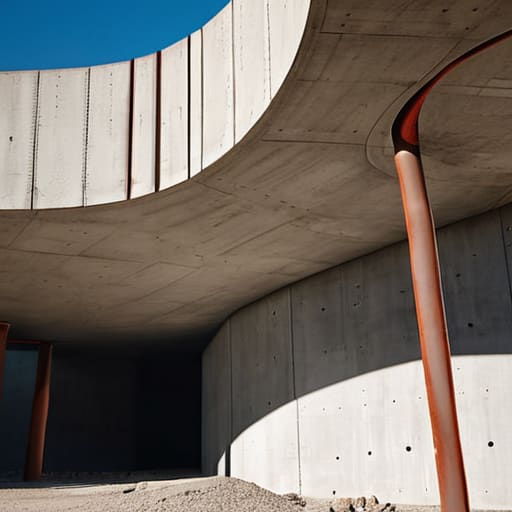
When I walk through the sites of the 1960s avant-garde design groups, I don’t look at the bold colors or the strange, anthropomorphic shapes first. I look at the junctions. In the rush to dismantle the stale, polite language of International Style modernism, these architects often treated the physical assembly as an afterthought to the concept. There is a specific kind of tension in the way a radical structure meets the ground; it’s as if the anti-design movement philosophy wasn’t just a rejection of aesthetic norms, but a deliberate attempt to make the building feel unmoored, even unstable.
You see it in the way the materials are forced into uncomfortable marriages. I’ve spent hours photographing the seams where cheap, industrial plastics meet heavy, traditional masonry—a collision that feels less like a planned transition and more like a structural argument. This wasn’t an accident. In the context of postmodernism in architecture and design, the failure of the joint was often the point. They wanted the architecture to feel restless, to refuse the seamless, “perfect” finish that the previous generation worshipped. To these designers, a clean, invisible seam was a lie; they wanted the friction of the assembly to be visible, proving that the building was a site of active, ongoing conflict.
The Residual Ghost of the Radical
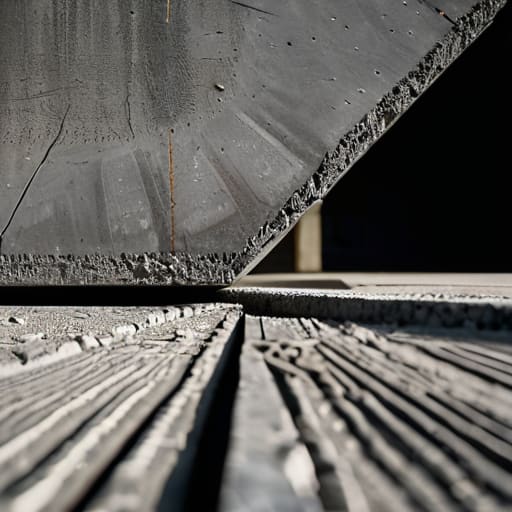
When we look back at these movements, it is easy to get lost in the grand manifestos or the glossy renderings of what should have been. But my work has taught me that the true legacy of radicalism isn’t found in a manifesto; it is found in the friction between the idea and the material. We have seen how these designers pushed against the functionalist status quo, often forcing a confrontation between the purity of their geometry and the messy, stubborn reality of the physical joint. Whether it was a steel beam forced into an impossible angle or a concrete pour that refused to respect the architect’s clean line, these movements left behind a specific kind of structural tension—a record of the moment where human ambition collided head-on with the laws of physics.
Ultimately, I find myself returning to the same conclusion I reach every time I stand before a weathered facade: the most important part of any building is the struggle it took to make it stand. Radical design wasn’t just about breaking the rules; it was about testing the very limits of what our materials could endure. As I trace the scars left by these experiments on old stone and steel, I am reminded that we shouldn’t just admire the shape of a building, but respect the audacity of its construction. Even when the radical dream fails, the way the pieces were forced together tells a story of profound, beautiful defiance.